
PRP Hair Treatment in Delhi
- Home
- PRP Hair Treatment in Delhi
PRP Hair Treatment in Delhi
Why So Many Delhi Patients Are Turning to PRP for Hair Fall ?
If your hairbrush collects more hair than it should, or if your morning shower leaves you counting strands with a sinking feeling — you are not alone. Hair fall has become one of the most common concerns among men and women in Delhi, driven by a combination of hard water, pollution, stress, nutritional gaps, hormonal changes, and genetics. Most people try oils, shampoos, and supplements for months before realising that their follicles need something more targeted.
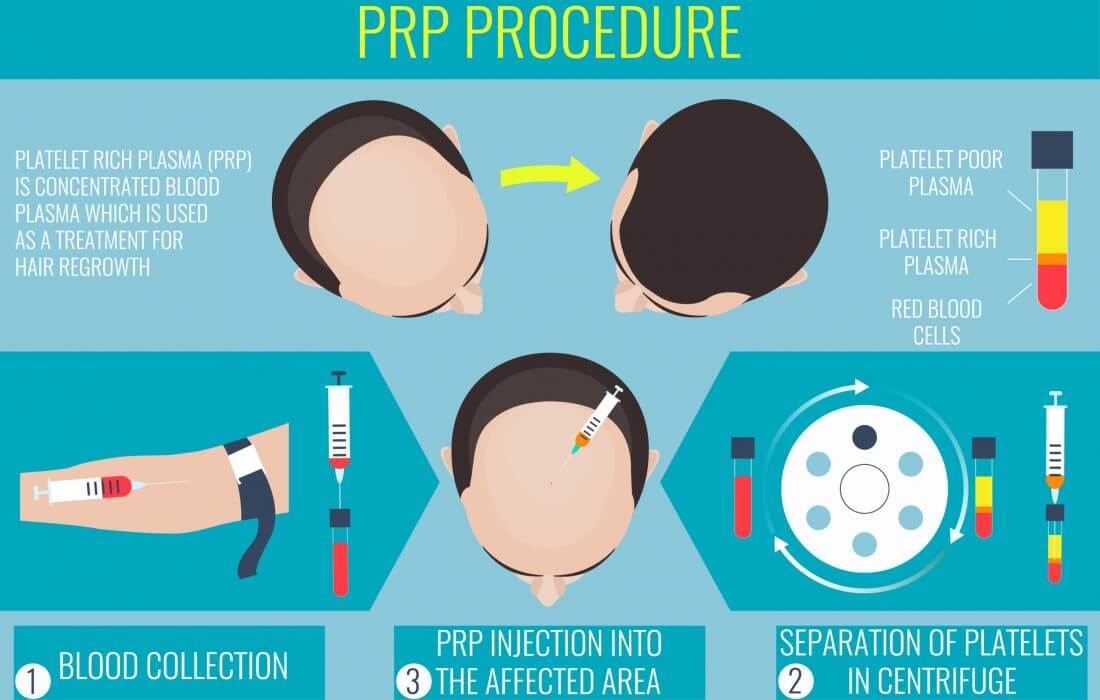
PRP — Platelet-Rich Plasma therapy — is that something more. It is a medically proven, minimally invasive treatment that uses the concentrated healing power of your own blood to reactivate dormant hair follicles, slow down shedding, and kickstart new growth. No synthetic chemicals. No surgery. No general anaesthesia. Just your body’s biology, optimised and delivered precisely where your hair needs it most.
At Sarayu Clinics in Greater Kailash-1, New Delhi, Dr. Adarsh Tripathi and Dr. Nidhi Bhatia lead one of Delhi’s most trusted teams for hair restoration. With deep expertise across surgical and non-surgical hair treatments, they bring a clinical, evidence-based approach to PRP — one that goes far beyond the basic protocols offered at most clinics. Every session here is physician-supervised, every dose is personalised, and every patient leaves knowing exactly what to expect and when.
This guide covers everything: how PRP works biologically, who it is right for, what the procedure actually involves, realistic results and timelines, costs, and how PRP compares with GFC, mesotherapy, and hair transplants. Read it, then book a consultation.
Read also:
Hair Transplant in Delhi | Mesotherapy for Hair Loss | Stem Cell Therapy
The Science Behind PRP — How Does It Actually Regrow Hair?
Your blood is made up of red blood cells, white blood cells, plasma, and platelets. Platelets are tiny cells best known for clotting wounds, but they carry something far more powerful: growth factors. These are proteins that signal your body to repair, regenerate, and build new tissue.
When PRP is injected into the scalp, these concentrated growth factors target the hair follicle’s stem cells and the dermal papilla — the structure at the base of each follicle that controls hair growth. The result is a cascade of biological activity:
- Follicle stem cell activation: Dormant (resting phase / telogen) follicles are nudged into the active growth phase (anagen).
- Increased blood supply: PRP promotes the formation of new small blood vessels (angiogenesis) around follicles, improving nutrient and oxygen delivery.
- DHT suppression: Growth factors in PRP can help moderate the effects of dihydrotestosterone (DHT), the hormone responsible for androgenetic alopecia.
- Anti-inflammatory action: Scalp inflammation is a major but often overlooked contributor to hair fall. PRP actively reduces inflammatory cytokines in the treated tissue.
- Collagen and matrix production: A healthier dermal matrix supports stronger, thicker hair shafts, not just new growth.
The key growth factors in PRP include PDGF (Platelet-Derived Growth Factor), VEGF (Vascular Endothelial Growth Factor), IGF-1 (Insulin-like Growth Factor), TGF-beta (Transforming Growth Factor), and EGF (Epidermal Growth Factor). Together, these create an ideal environment for hair regrowth — one that your body can sustain naturally once the initial activation is complete.
At Sarayu Clinics, the platelet concentration achieved using our centrifugation protocol is typically 5–7 times higher than baseline blood concentration. This high platelet count is what separates an effective PRP session from a mediocre one.
All PRP-Based Hair Treatments at Sarayu Clinics, Delhi
PRP is not a single, standardised treatment. The protocol varies significantly based on preparation method, platelet concentration, combination therapies, and delivery technique. Here is every PRP-based hair treatment we offer:
Standard PRP for Hair Loss
The core treatment: your blood is drawn, processed in a medical centrifuge to extract platelet-rich plasma, and injected into the scalp using a fine-gauge needle in a systematic grid pattern. This is the most widely used protocol and delivers excellent results for androgenetic alopecia, diffuse thinning, and early-stage hair loss.
- Best For: Male and female pattern hair loss (Androgenetic Alopecia), diffuse thinning, post-partum hair loss, early-stage alopecia areata.
High-Concentration PRP (Double-Spin / Dual Centrifuge PRP)
A more advanced preparation method using two centrifuge cycles to produce an even higher platelet concentration — typically 8–10 times baseline. This is recommended for patients with significant hair loss, poor response to standard PRP, or as a post-hair-transplant recovery accelerator.
- Best For: Moderate to advanced hair thinning, patients who have not responded to basic PRP, and post-FUE/FUT hair transplant recovery.
PRP + Microneedling (Scalp Microneedling with PRP)
A dermaroller or motorised microneedling device creates thousands of micro-channels in the scalp before PRP is applied topically and injected. The micro-injuries stimulate collagen and improve absorption depth of PRP. This combination is particularly effective for scalp health, hair density, and hair texture improvement.
- Best For: Poor scalp health, widespread diffuse thinning, hair density improvement, and patients wanting enhanced texture alongside regrowth.
See also: Skin Microneedling at Sarayu Clinics
PRP + Mesotherapy (Meso-PRP)
PRP is combined with a customised cocktail of vitamins, minerals, amino acids, and hair-specific growth stimulators (like biotin, zinc, finasteride precursors, and minoxidil derivatives). This hybrid approach addresses both the biological root cause (follicle dormancy) and nutritional deficiencies that accelerate hair fall — a very common combination concern in Delhi patients.
- Best For: Hair loss with nutritional deficiency, thyroid-related hair fall, hair fall in women, stress-related hair loss, and patients with multiple contributing causes.
See also: Mesotherapy at Sarayu Clinics
PRP for Post-Hair Transplant Recovery
When performed in the weeks following a hair transplant procedure (FUE or FUT), PRP accelerates graft survival, reduces shock loss, and shortens the dormant phase of transplanted grafts. Most hair transplant surgeons now recommend PRP as a standard adjunct to improve transplant outcomes.
- Best For: Patients who have recently undergone FUE or FUT hair transplant and want faster, denser results.
See also: FUE Hair Transplant | FUT Hair Transplant | BIO FUE Hair Transplant
PRP for Eyebrow and Beard Restoration
PRP is not limited to the scalp. The same growth factor activation applies to eyebrows and beard areas where thinning, patchiness, or sparse growth is a concern. PRP injections along the eyebrow or beard line can stimulate dormant follicles for denser, more defined brows and beard.
- Best For: Thin or patchy eyebrows (not caused by permanent scarring), sparse beard growth, and post-eyebrow hair transplant recovery.
See also: Eyebrow Hair Transplant | Beard Hair Transplant
PRP for Female Pattern Hair Loss (FPHL)
Women experience hair loss differently from men — typically as diffuse thinning over the crown and parting width, rather than a receding hairline. Female pattern hair loss is often compounded by hormonal changes (PCOS, thyroid, postpartum, menopause). PRP is one of the most effective non-hormonal treatments for FPHL, with protocols specifically adjusted for female anatomy and hair density patterns.
- Best For: Women with diffuse thinning, PCOS-related hair loss, postpartum hair fall, and menopausal hair thinning.
See also: Female Hair Transplant at Sarayu
PRP Maintenance Protocol (Long-Term Hair Health)
Once the initial treatment course is complete and results are established, patients benefit from maintenance PRP sessions every 4–6 months. These ‘top-up’ sessions preserve the gains, prevent regression, and keep follicles in an active, healthy state over time. This is particularly important for patients with androgenetic alopecia, where the underlying genetic tendency for hair loss does not disappear after treatment.
- Best For: All patients post-treatment who want to sustain regrowth and prevent future thinning.
Benefits of PRP Treatment for Hair Fall
Here is why PRP has become the go-to first-line treatment for hair fall across Delhi’s top clinics — and why it may be the right choice for you:
- 100% natural and biocompatible: The treatment uses your own blood. There is nothing synthetic, foreign, or allergenic involved.
- Addresses the root cause: PRP does not just slow hair fall — it activates dormant follicles and creates a healthier scalp environment for sustained growth.
- Clinically proven: Multiple peer-reviewed studies published in journals like the Journal of Dermatological Surgery and JCAD have demonstrated significant improvements in hair density and thickness with PRP.
- Minimal discomfort, no surgery: A topical anaesthetic is applied before injections, making the procedure well-tolerated by most patients.
- No downtime: You can return to work, drive, and go about your day immediately after treatment.
- Works for both men and women: PRP is effective across genders and across most hair loss types.
- Safe for all Indian hair types: Unlike some hormonal or chemical treatments, PRP has no skin type restriction and is safe for the full range of Indian skin and hair types.
- Compatible with other treatments: PRP pairs well with minoxidil, finasteride, mesotherapy, GFC, and hair transplant surgery for enhanced outcomes.
- Progressive improvement: Hair becomes gradually thicker, stronger, and denser over months — results look completely natural.
- Physician-supervised at Sarayu Clinics: Every PRP session is performed or directly supervised by Dr. Adarsh Tripathi or Dr. Nidhi Bhatia — not by a technician or beauty therapist.
Scalp Zones & Areas Treated with PRP
PRP is not injected uniformly across the entire scalp. The scalp is divided into treatment zones, and injection density is customised based on where hair loss is most active. Here is how it breaks down:
Scalp Zone | Common Hair Loss Pattern | PRP Application |
Frontal Zone (Hairline) | Receding hairline (M-shape in men) | Systematic grid injections, higher density at the leading edge |
Temporal Zones (Temples) | Temple recession — common in men and women | Targeted micro-injections along the recession line |
Crown / Vertex | Thinning at the top — classic male pattern baldness | Wide-area coverage with evenly spaced injections |
Mid-Scalp (Central Parting) | Widening parting — most common in women | Linear injection pattern along the parting |
Diffuse (Full Scalp) | Overall thinning across the scalp | Full-scalp coverage with adjusted dosing per zone |
Eyebrows | Thinning, patchiness, over-plucking | Superficial injections along brow line |
Beard (Cheeks/Jawline) | Sparse or patchy beard growth | Targeted injections in areas of low density |
Hair Conditions PRP Effectively Treats
PRP is not a one-size-fits-all solution — it works best for specific types of hair loss. Here is a clear breakdown of conditions that respond well to PRP:
- Androgenetic Alopecia (Male Pattern Baldness): The most common cause of hair loss in men. PRP slows progression and activates miniaturised follicles along the hairline and crown.
- Female Pattern Hair Loss (FPHL): Diffuse thinning in women, often worsening around the parting. PRP is one of the most effective non-hormonal options available.
- Alopecia Areata (Early/Patchy Stage): Patchy hair loss caused by an autoimmune response. PRP has shown promising results in early-stage cases, though it works best when combined with other modalities.
- Telogen Effluvium: Widespread shedding triggered by stress, illness, surgery, nutritional deficiency, or hormonal shifts. PRP shortens the recovery period and restores density faster.
- Postpartum Hair Loss: The dramatic shedding that many women experience 3–6 months after delivery. PRP helps speed up the recovery of follicles affected by post-pregnancy hormonal changes.
- PCOS-Related Hair Loss: Hormonal imbalance in PCOS drives hair thinning in women. PRP addresses the follicular component while PCOS is managed medically.
- Thyroid-Related Hair Loss: Both hypothyroidism and hyperthyroidism can cause significant hair fall. Once thyroid levels are controlled, PRP accelerates follicle recovery.
- Stress-Related Hair Loss (Chronic Telogen Effluvium): Delhi’s fast-paced lifestyle, pollution, and chronic stress are major contributors to sustained hair fall. PRP resets the hair cycle.
- Traction Alopecia: Hair loss caused by tight hairstyles (braids, ponytails, extensions). PRP can revive follicles if the pulling has been stopped and roots are still viable.
- Nutrient Deficiency-Related Hair Loss: Iron, Vitamin D, Biotin, and B12 deficiencies are extremely common in Delhi and contribute directly to hair fall. PRP + Mesotherapy addresses both the external and internal causes simultaneously.
Important: PRP is most effective when hair follicles are still present but dormant. If follicles have been permanently scarred or destroyed, PRP cannot create new follicles — in such cases, hair transplant surgery is the appropriate option.
Are You a Good Candidate for PRP?
PRP is Likely Right for You If… | PRP May Not Be Suitable If… |
You have early to moderate hair thinning | You have complete baldness (no follicles remain) |
Your scalp still shows fine/miniaturised hair | You have active scalp infection or psoriasis in the treatment area |
You want a non-surgical, natural option | You are on blood thinners (anticoagulant medication) |
You are between 20–65 years old | You have a platelet dysfunction syndrome or clotting disorder |
You have been diagnosed with androgenetic alopecia | You have active cancer or are on chemotherapy |
You have postpartum, stress, or nutrition-related hair loss | You are pregnant or breastfeeding |
You want to enhance hair transplant results | You have unrealistic expectations of a permanent cure |
You have alopecia areata (early stage) | Your hair loss is caused by active, untreated thyroid disease — treat thyroid first |
The best way to determine whether PRP is right for your specific hair loss pattern is a scalp assessment at Sarayu Clinics. Dr. Tripathi or Dr. Nidhi Bhatia will evaluate your scalp under magnification, review your blood tests (if available), and recommend the most appropriate treatment plan.
The PRP Procedure at Sarayu Clinics — Step by Step
Here is exactly what happens during a PRP session. Transparency matters — we want you to know every step before you arrive.
Step 1: Scalp & Hair Assessment (Consultation)
Dr. Tripathi or Dr. Nidhi Bhatia conducts a detailed trichoscopy (magnified scalp analysis), reviews your hair loss history, evaluates any blood test results (ferritin, thyroid, vitamin D, haemoglobin, hormones), and identifies your hair loss type, pattern, and stage. This clinical assessment is what drives the personalised treatment plan.
Step 2: Pre-Treatment Blood Tests (If Recommended)
For new patients, we often recommend a hair loss blood panel before the first session to identify contributing nutritional or hormonal factors. This ensures your PRP is not working against an untreated underlying cause.
Step 3: Blood Draw
A small volume of blood — typically 15–30 ml, drawn from a vein in your arm — is collected in a sterile PRP tube containing an anticoagulant. This is less than a standard blood donation and causes no more discomfort than a routine blood test.
Step 4: Centrifugation (PRP Preparation)
The collected blood is placed in a medical-grade centrifuge and spun at a carefully calibrated speed and duration. This process separates the blood into layers: red blood cells settle at the bottom, the platelet-rich plasma floats to the middle, and platelet-poor plasma sits at the top. The PRP layer is extracted into a sterile syringe.
At Sarayu Clinics, we use a dual-spin protocol for most patients, achieving platelet concentrations of 5–7 times baseline — significantly higher than the single-spin protocol used at many basic clinics. The quality of this step determines the quality of your results.
Step 5: Scalp Preparation & Numbing
The scalp is cleansed with an antiseptic solution. A topical anaesthetic cream is applied to the areas to be injected and left on for 15–20 minutes to ensure your comfort. For patients with a lower pain threshold, a ring block (local anaesthetic nerve block) can also be performed.
Step 6: PRP Injection
Using a fine-gauge needle (typically 30G or 32G — extremely thin), the PRP is injected in a systematic grid pattern across the thinning zones at a depth of approximately 3–4 mm — precisely targeting the dermal papilla layer where hair follicles sit. A typical full-scalp session involves approximately 100–150 micro-injections, which are completed methodically over 20–30 minutes.
Step 7: Post-Injection Care
After the injections, a soothing, alcohol-free toner or saline rinse is applied to calm the scalp. You are given a detailed written aftercare card and the doctor reviews your expected timeline and next session schedule.
Step 8: Ongoing Monitoring
At your next session (typically 4–6 weeks later), the team reviews your scalp’s response, takes comparison photographs, and adjusts injection density or combination therapies if needed. Treatment is never static — it evolves with your results.
Total session duration: Approximately 45–75 minutes including preparation and post-care.
Downtime & Aftercare — What to Expect After PRP
Timeframe | What You May Experience | What to Do |
Day of Treatment (Hours 1–4) | Mild scalp redness, slight swelling, sensitivity | Avoid touching the scalp; no washing for 4–6 hours |
Day 1–2 | Occasional mild tenderness or tightness | Gentle paracetamol if needed; no vigorous exercise |
Day 3–7 | Scalp returns to normal; some patients notice temporary increased shedding — this is normal | Resume gentle shampooing; avoid chemical treatments |
Week 2–4 | Shedding stabilises; early signs of reduced hair fall may be noticed | Continue normal routine; no harsh styling products |
Month 1–3 | Reduced shedding, improved scalp texture | Schedule next PRP session as planned |
Month 3–6 | New hair growth becomes visible; hair feels thicker | Maintenance routine, follow-up scalp assessment |
Month 6+ | Peak density improvement from the full course | Maintenance session every 4–6 months recommended |
Key Aftercare Instructions
- Do not wash your hair for at least 4–6 hours after the session.
- Avoid heavy exercise, swimming, and steam rooms for 24–48 hours.
- Do not apply hair colour, relaxers, or harsh chemical treatments for 1 week.
- Avoid direct, strong sunlight on the scalp for 24 hours (wear a hat if needed).
- Do not massage the treated scalp vigorously for 24 hours.
- Maintain good hydration — drink adequate water in the days following treatment.
- Continue any prescribed oral supplements (biotin, vitamin D, iron) consistently.
- Do not stop any ongoing minoxidil or finasteride use without consulting the doctor.
PRP Hair Treatment Cost in Delhi — Transparent Pricing
Pricing is one of the most common questions we receive — and one of the least transparently answered across Delhi clinics. Here is an honest breakdown:
Treatment | Approx. Cost per Session (INR) | Recommended Sessions |
Standard PRP – Single Area (e.g., crown only) | ₹4,000 – ₹8,000 | 3–4 sessions, 4 weeks apart |
Standard PRP – Full Scalp | ₹7,000 – ₹15,000 | 3–4 sessions, 4 weeks apart |
High-Concentration PRP (Dual Spin) | ₹12,000 – ₹22,000 | 3–4 sessions |
PRP + Microneedling (Full Scalp) | ₹12,000 – ₹20,000 | 3–4 sessions |
PRP + Mesotherapy (Meso-PRP) | ₹10,000 – ₹18,000 | 4–6 sessions |
Post-Hair Transplant PRP | ₹8,000 – ₹15,000 | 2–3 sessions post-surgery |
PRP for Eyebrows | ₹5,000 – ₹10,000 | 2–3 sessions |
PRP Maintenance Session | ₹6,000 – ₹12,000 | Every 4–6 months |
PRP Package (3 sessions – full scalp) | ₹18,000 – ₹35,000 | Single package pricing |
What Determines the Final Cost?
- Platelet concentration method: A dual-spin, high-yield preparation costs more than a basic single-spin protocol, but delivers meaningfully better results.
- Area treated: A small targeted zone costs less than full-scalp coverage.
- Combination therapies: Adding mesotherapy vitamins or microneedling increases the session cost but often improves outcomes significantly.
- Number of sessions: Package pricing for 3–6 sessions is typically more economical than paying per session.
- Doctor seniority: At Sarayu Clinics, every session is supervised by Dr. Tripathi or Dr. Nidhi Bhatia — experienced, qualified physicians, not technicians.
Exact pricing is confirmed at your consultation. We provide a fully transparent, itemised quote with no hidden charges. We also offer flexible payment options for treatment packages.
PRP Results Timeline — When Will You See a Difference?
PRP is not an instant fix — and any clinic claiming immediate dramatic results should be treated with scepticism. Hair biology moves on a specific timeline. Here is what to realistically expect:
Time After First Session | Biological Activity | What You Notice |
Week 1–2 | Growth factor activity begins at follicle level | No visible change — it is working internally |
Week 2–6 | Follicle stem cells begin transitioning from telogen to anagen phase | Some patients notice reduced hair fall earlier than expected |
Month 1–2 | New anagen (growth phase) follicles become active | Reduced daily shedding is the first sign most patients notice |
Month 2–4 | New, fine hair shafts begin emerging from previously dormant follicles | Baby hairs visible at hairline or parting; hair feels thicker |
Month 4–6 | New growth matures; hair shafts thicken | Visible improvement in density; parting appears narrower; hairline fills in |
Month 6–9 | Maximum growth response from the initial 3–4 sessions | Most significant improvement; friends and family may comment |
Month 9–12 | Results stabilise; natural hair cycle progresses normally | Maintained density; continued improvement with maintenance PRP |
Month 12+ | Without maintenance, some natural regression may begin | Maintenance session every 4–6 months preserves results long-term |
Clinical studies on PRP for hair loss (including a 2019 meta-analysis published in Dermatologic Surgery) report an average of 30–40% increase in hair density after a full PRP course, with a patient satisfaction rate exceeding 75% in compliant patients. Results are best in patients who begin treatment in the early-to-moderate stages of hair loss.
PRP vs. Other Hair Loss Treatments — An Honest Comparison
Delhi patients often ask: ‘Should I do PRP, GFC, mesotherapy, or just get a hair transplant?’ Here is an objective comparison to help you understand where PRP fits in the spectrum of hair loss treatments:
Feature | PRP | GFC (Growth Factor Concentrate) | Mesotherapy | Hair Transplant (FUE/FUT) | Minoxidil / Finasteride |
Mechanism | Concentrated platelets + growth factors injected into scalp | Purified, higher-concentration growth factors from own blood | Vitamins, minerals & hair stimulants injected into scalp | Surgical redistribution of follicles from donor to recipient area | Topical/oral drugs that slow DHT or dilate blood vessels |
Invasiveness | Minimally invasive | Minimally invasive | Minimally invasive | Surgical | Non-invasive |
Downtime | None | None | None | 7–14 days | None |
Best For | Early–moderate hair loss, diffuse thinning, FPHL | Moderate hair loss, superior to PRP in concentration | Nutritional deficiency-driven hair loss, scalp health | Advanced baldness with permanent follicle loss | Slowing progression of androgenetic alopecia |
Results Timeline | 3–6 months | 3–6 months (often faster) | 2–4 months | 9–18 months | 4–6 months |
Duration of Results | 12–18 months with maintenance | 12–18+ months | 6–12 months | Permanent (for transplanted grafts) | Ongoing – stops working if discontinued |
Works on Scar Areas? | No | No | No | No (source only) | No |
Can Be Combined? | Yes — pairs well with all others | Yes | Yes — best as PRP adjunct | Yes — PRP post-transplant | Yes |
Cost in Delhi | ₹4K–₹22K/session | ₹8K–₹25K/session | ₹3K–₹10K/session | ₹50K–₹1.5L (one-time) | ₹500–₹2,000/month |
PRP vs GFC — Which Is Better?
GFC (Growth Factor Concentrate) is an evolution of PRP. Where PRP contains whole platelets and their associated proteins, GFC involves an additional activation step that releases growth factors into the plasma — resulting in a higher effective concentration of the active molecules. At Sarayu Clinics, we can recommend GFC for patients who have completed a PRP course and want an upgraded protocol, or for those with more advanced hair loss where higher growth factor concentration is needed.
Neither is universally superior — they suit different patients at different stages. Your consultation will determine which is optimal for you.
Why Choose Sarayu Clinics for PRP Hair Treatment in Delhi?
There are dozens of clinics in Delhi offering PRP. Here is why patients travel from across Delhi NCR — and from other cities — to Sarayu Clinics:
- Co-founded by two specialists, not one: Adarsh Tripathi (Maxillofacial & Facial Plastic Surgeon, 18+ years) and Dr. Nidhi Bhatia (Celebrity Facial Aesthetician, member of Facial Aesthetics and Aesthetic Surgeons of India) bring complementary expertise to every hair consultation.
- Hair transplant pedigree: Sarayu Clinics is one of Delhi’s foremost hair transplant centres, offering microscopic FUT+FUE 4K UHD procedures. This means PRP here is not a standalone offering — it is part of a comprehensive hair restoration ecosystem.
- Medical-grade equipment: We use certified, calibrated centrifuge machines and sterile PRP preparation kits. The quality of equipment directly impacts platelet yield and result quality.
- Physician-supervised, always: PRP injections at Sarayu Clinics are performed by qualified medical doctors, not technicians or beauticians — a critical distinction for your safety and results.
- Celebrity-trusted: Adarsh Tripathi’s clients include Honey Singh, Sara Gurpal, Technical Guruji, and other prominent public figures who rely on Sarayu Clinics for their appearance.
- Transparent, honest approach: If PRP is not the right treatment for your hair loss pattern, we will tell you clearly — and recommend what is. We do not oversell treatments.
- International affiliations: Nidhi Bhatia is affiliated with the Swiss Academy of Cosmetic Dermatology and Aesthetic Medicine (SACDAM) and the Peelings Society — a globally recognised association. Dr. Tripathi has international society memberships and was the first Asian doctor to introduce specific modalities for burn and acne scar treatment.
- Comprehensive follow-up: We photograph, measure, and track your progress at every session. You always know where you are in your treatment journey.
Learn more: About Sarayu Clinics | Our Gallery
Frequently Asked Questions — PRP for Hair Fall in Delhi
Answering these questions clearly is critical for appearing in Google’s People Also Ask section and AI-generated search responses.
Q: Is PRP treatment painful?
A: Most patients describe PRP injections as mildly uncomfortable rather than painful. We apply a topical anaesthetic cream before starting, which significantly reduces sensation. Some patients opt for a ring block (local nerve anaesthetic) if they are very sensitive to injections. The scalp tends to feel tingly and warm during the procedure — most patients find it tolerable.
Q: How many PRP sessions do I need for hair fall?
A: For most patients, an initial course of 3–4 sessions spaced 4–6 weeks apart is recommended. This is followed by maintenance sessions every 4–6 months. Patients with more significant hair loss may need 4–6 initial sessions. Your doctor will give you a personalised recommendation at your consultation.
Q: When will I see results from PRP?
A: The first sign most patients notice is reduced daily shedding — often within 4–6 weeks of the first session. Visible new growth typically appears between months 2 and 4. The most significant improvement in density is usually seen between months 4 and 6 after completing the initial course. Hair regrowth is gradual — which means it looks entirely natural.
Q: How long do PRP hair treatment results last?
A: Results from a full PRP course typically last 12–18 months. Maintenance sessions every 4–6 months are recommended to preserve and extend the results, particularly for patients with androgenetic alopecia where the underlying genetic tendency is ongoing.
Q: Is PRP effective for female hair loss?
A: Yes, very effectively so. PRP is one of the best non-hormonal, non-surgical options for female pattern hair loss, postpartum hair loss, and PCOS-related hair thinning. Women often see excellent results because female hair loss tends to be diffuse (widespread) rather than complete follicle loss, meaning there are more viable follicles to activate. The protocol is adjusted specifically for female hair loss patterns.
Q: What is the cost of PRP hair treatment in Delhi?
A: Costs range from approximately ₹4,000 for a basic single-area session to ₹22,000+ for advanced high-concentration PRP. A full scalp standard PRP session typically costs between ₹7,000 and ₹15,000 at reputable medical clinics. At Sarayu Clinics, we provide fully transparent pricing at your consultation — no surprises or hidden charges.
Q: What is the difference between PRP and GFC for hair?
A: Both PRP and GFC use your own blood to extract growth factors, but GFC involves an additional activation step that releases growth factors from the platelets into the plasma before injection — resulting in a higher effective concentration of active healing proteins. GFC is considered a more advanced protocol. At Sarayu Clinics, we can recommend the most appropriate option based on your hair loss stage and previous treatment history.
Q: Can PRP stop hair fall permanently?
A: PRP is not a permanent cure for hair loss, particularly in cases of androgenetic alopecia where the genetic cause is ongoing. However, a well-executed PRP course followed by regular maintenance sessions can provide sustained control over hair fall and maintain density over the long term. Think of it like a gym membership for your scalp — the results last as long as you maintain them.
Q: Can I wash my hair after PRP?
A: No — you should avoid washing your hair for at least 4–6 hours after your PRP session. When you do wash, use a gentle, sulphate-free shampoo. Avoid harsh chemical treatments, hair colour, or rigorous massaging of the scalp for at least 1 week post-treatment.
Q: Is PRP safe? Are there any side effects?
A: PRP is one of the safest aesthetic treatments available because it uses your own blood — there is no risk of allergic reaction, rejection, or foreign body response. Temporary side effects include mild scalp redness, slight swelling, and occasional tenderness at injection sites — all of which resolve within 24–48 hours. Serious complications are extremely rare when the procedure is performed in a sterile clinical setting by a qualified physician.
Q: Can PRP be combined with hair transplant?
A: Absolutely — in fact, combining PRP with hair transplant is strongly recommended. PRP can be used before transplant to improve overall scalp health and follicle viability, and after transplant (starting 3–4 weeks post-procedure) to accelerate graft survival and reduce shock loss. Most hair transplant patients at Sarayu Clinics are advised to include a PRP protocol as part of their recovery plan.
Q: What should I avoid before a PRP session?
A: Before a PRP session, avoid alcohol for 48 hours, avoid anti-inflammatory medications (like ibuprofen, aspirin) for 3–5 days, stay well-hydrated, do not apply oils or products to your scalp on the day of treatment, and eat a light meal beforehand to prevent dizziness from the blood draw. Your doctor will provide a full pre-treatment checklist at your consultation.
Q: How long does a PRP session take?
A: A typical full-scalp PRP session at Sarayu Clinics takes approximately 45–75 minutes, including the blood draw, centrifugation, scalp preparation with numbing cream, and injections. You can come in during a lunch break and return to work immediately after.
Q: Is PRP good for hair loss due to Delhi’s hard water and pollution?
A: This is a very relevant question for Delhi residents. Hard water (high mineral content) weakens hair shafts and contributes to scalp build-up that interferes with follicle function. Pollution particles and PM2.5 exposure contribute to oxidative stress in scalp tissue. PRP addresses the follicular response to these environmental stressors by improving scalp blood supply, reducing inflammation, and activating dormant follicles — making it particularly well-suited to Delhi’s hair fall profile.
How to Reach Us:
Phone: +91 9289111081 , +91 9289111082
Email: sarayuinquiries@gmail.com
Sarayu Clinics website: www.sarayuclinics.com
Facebook: https://www.facebook.com/sarayuclinic
Instagram: https://www.instagram.com/sarayuclinics/
Dr. Adarsh Tripathi’s profile: https://dradarshtripathi.com/
Online Booking: Visit our website https://sarayuclinics.com/contact-us/ to schedule appointments conveniently.