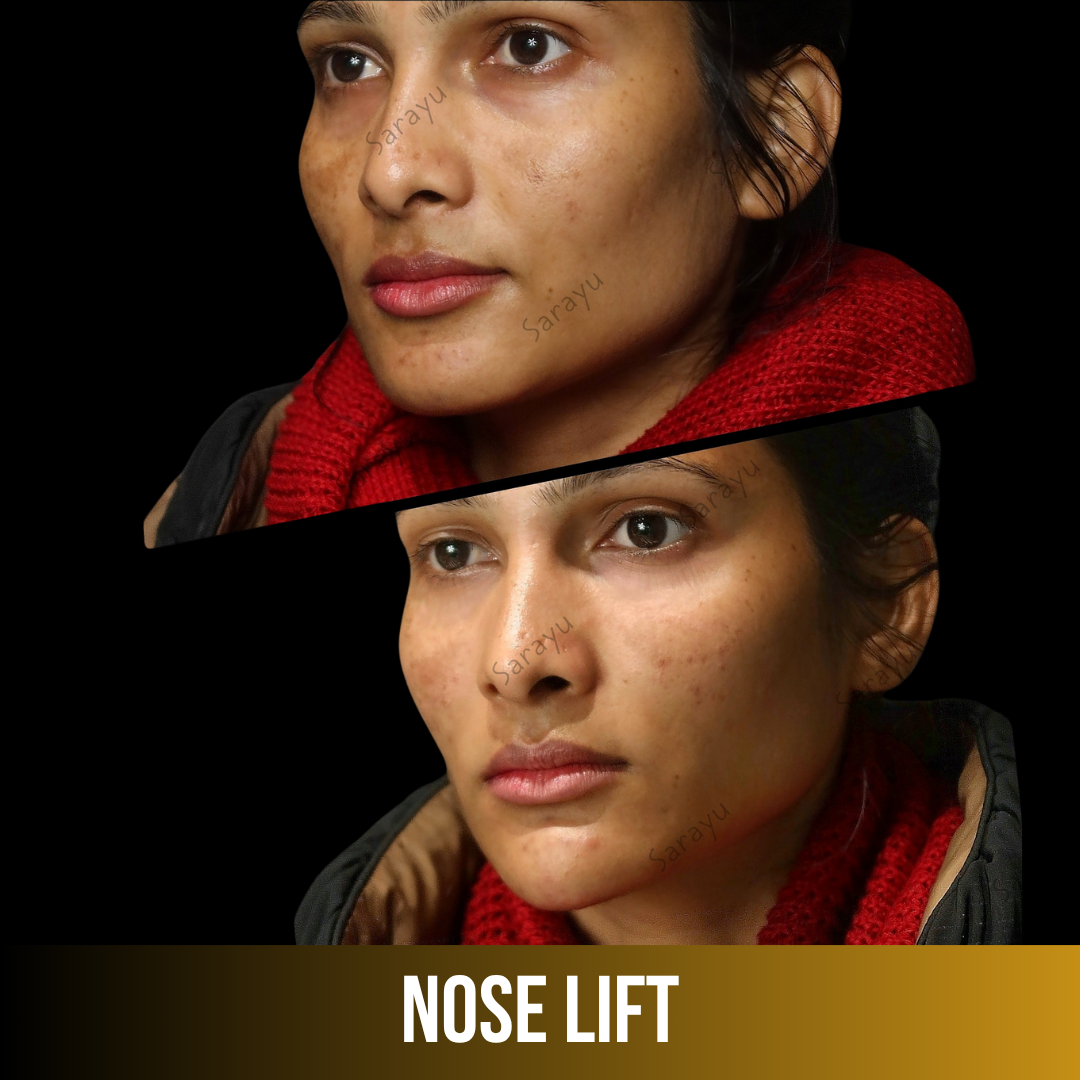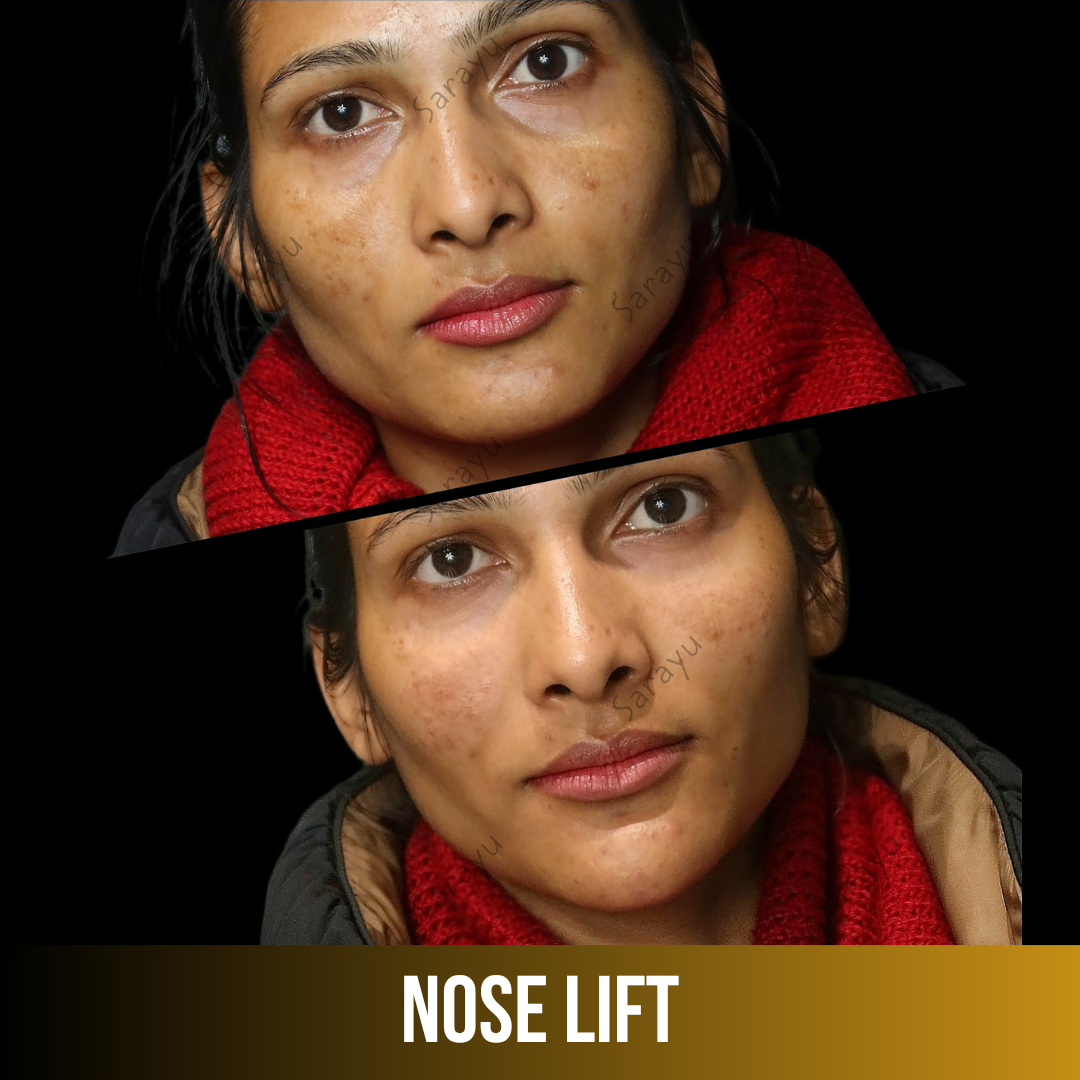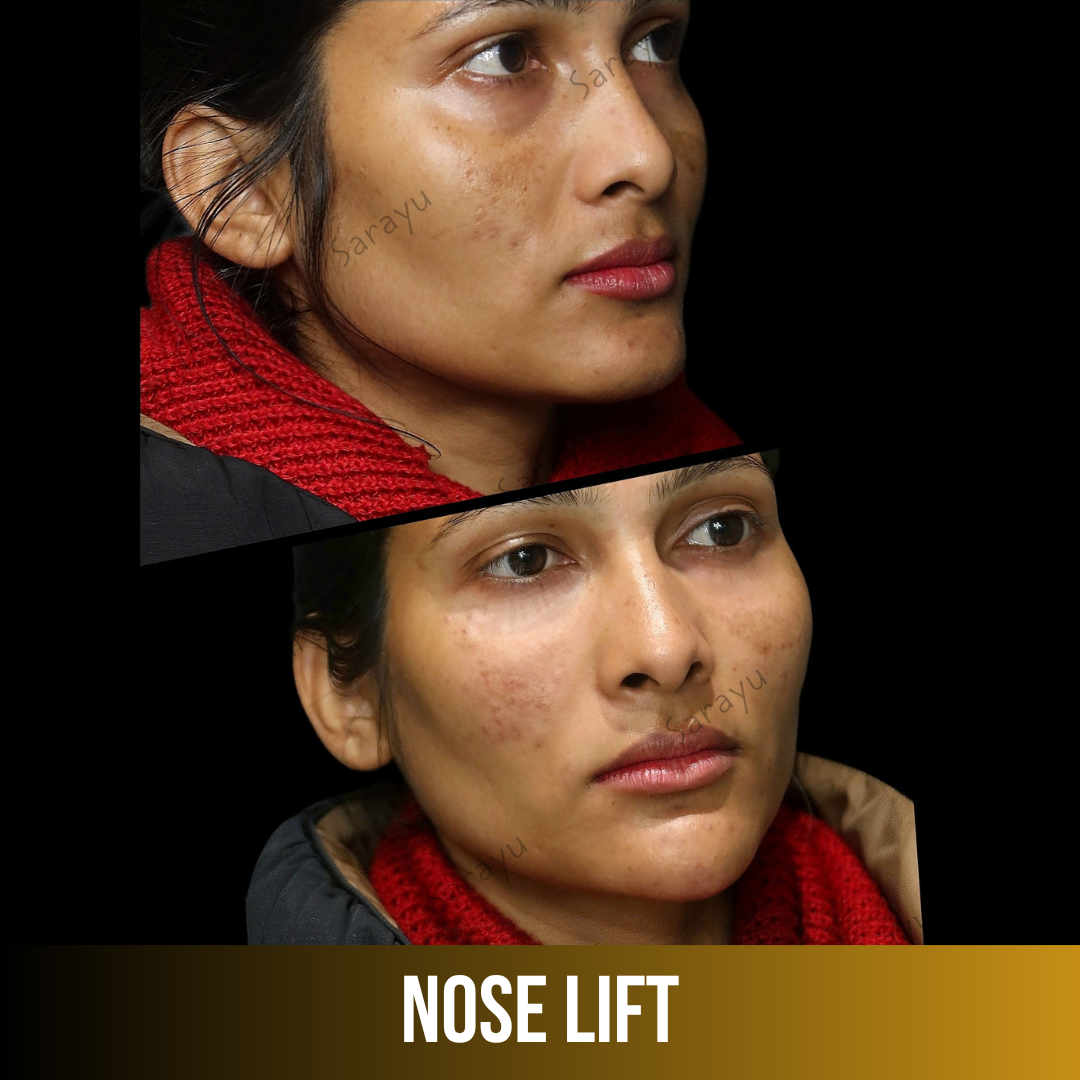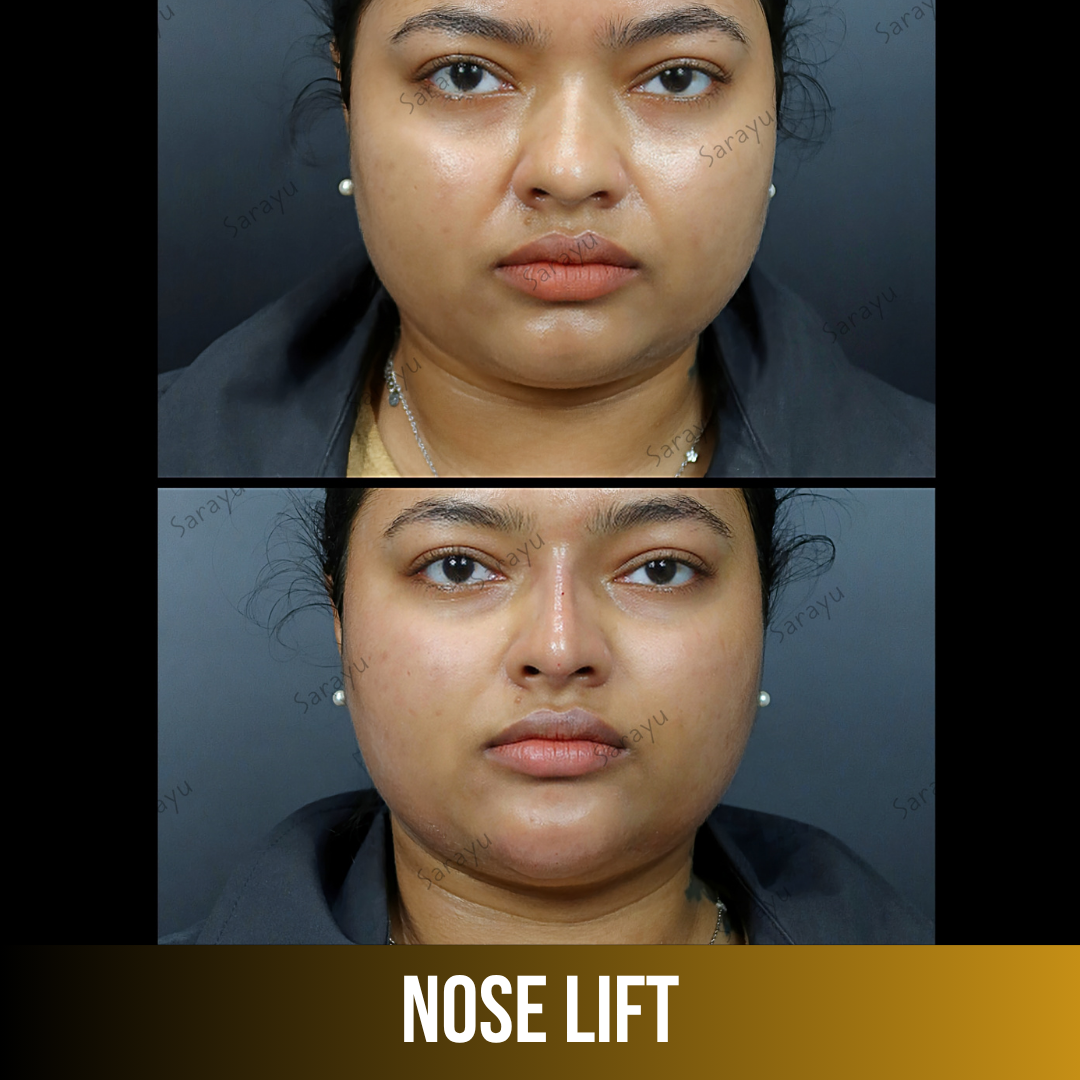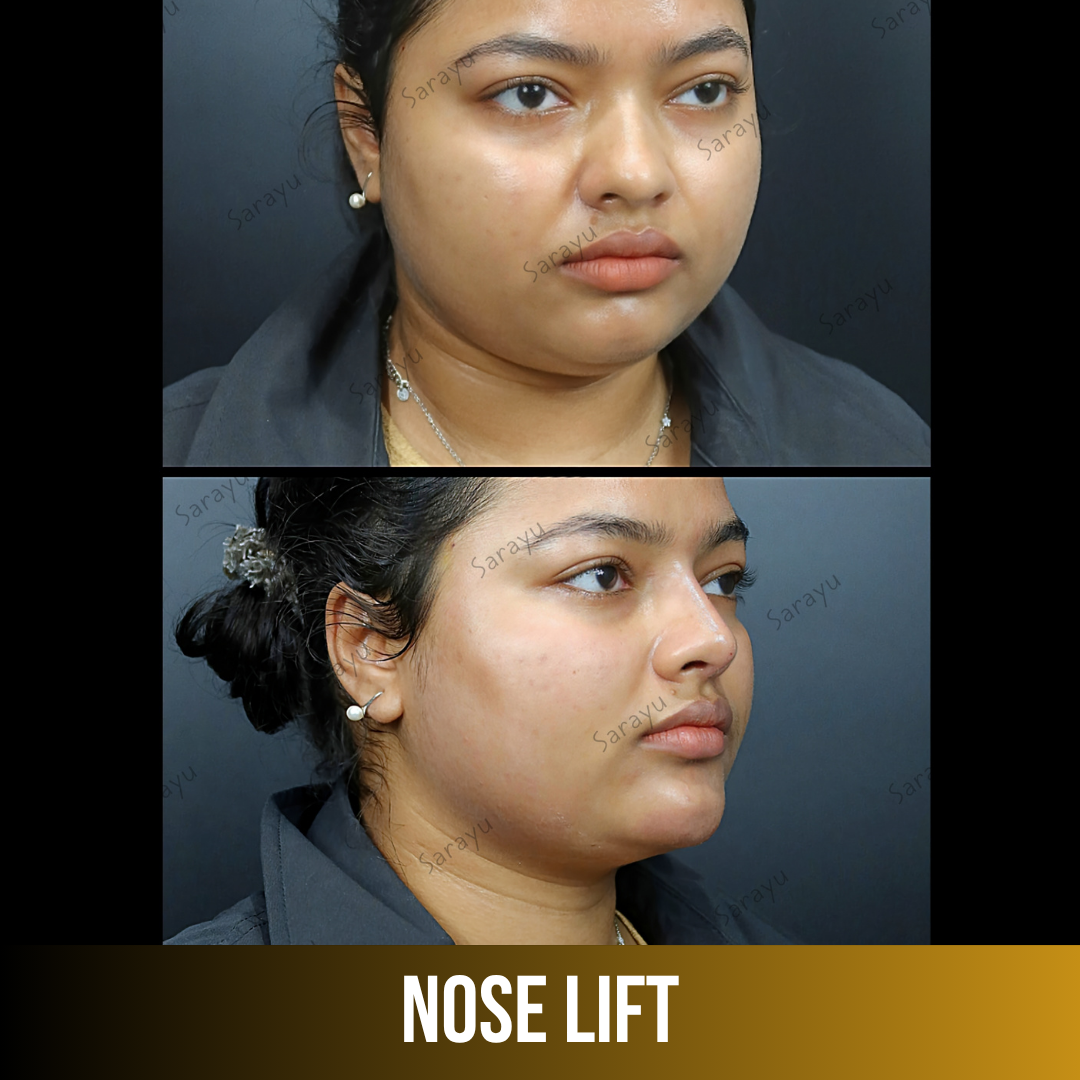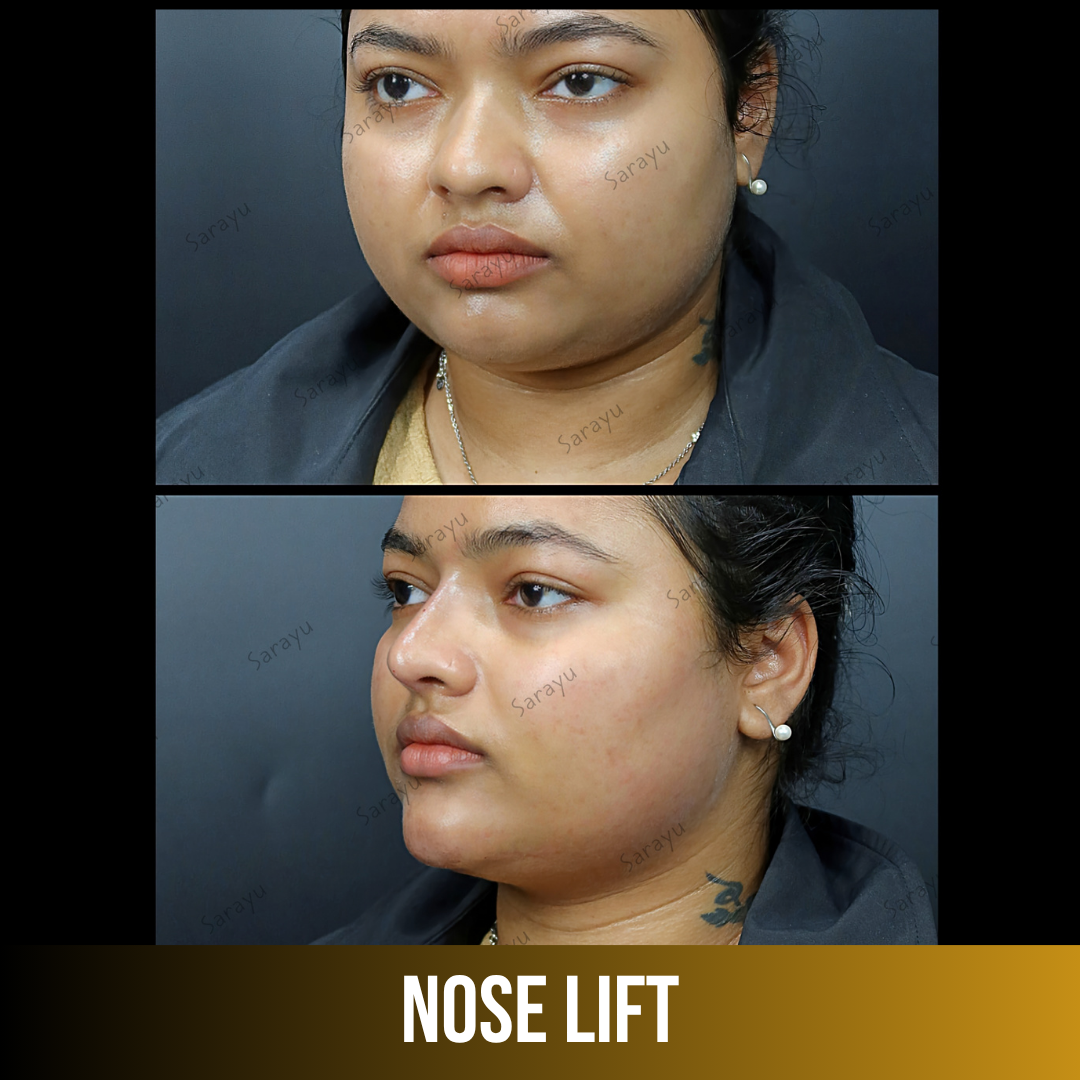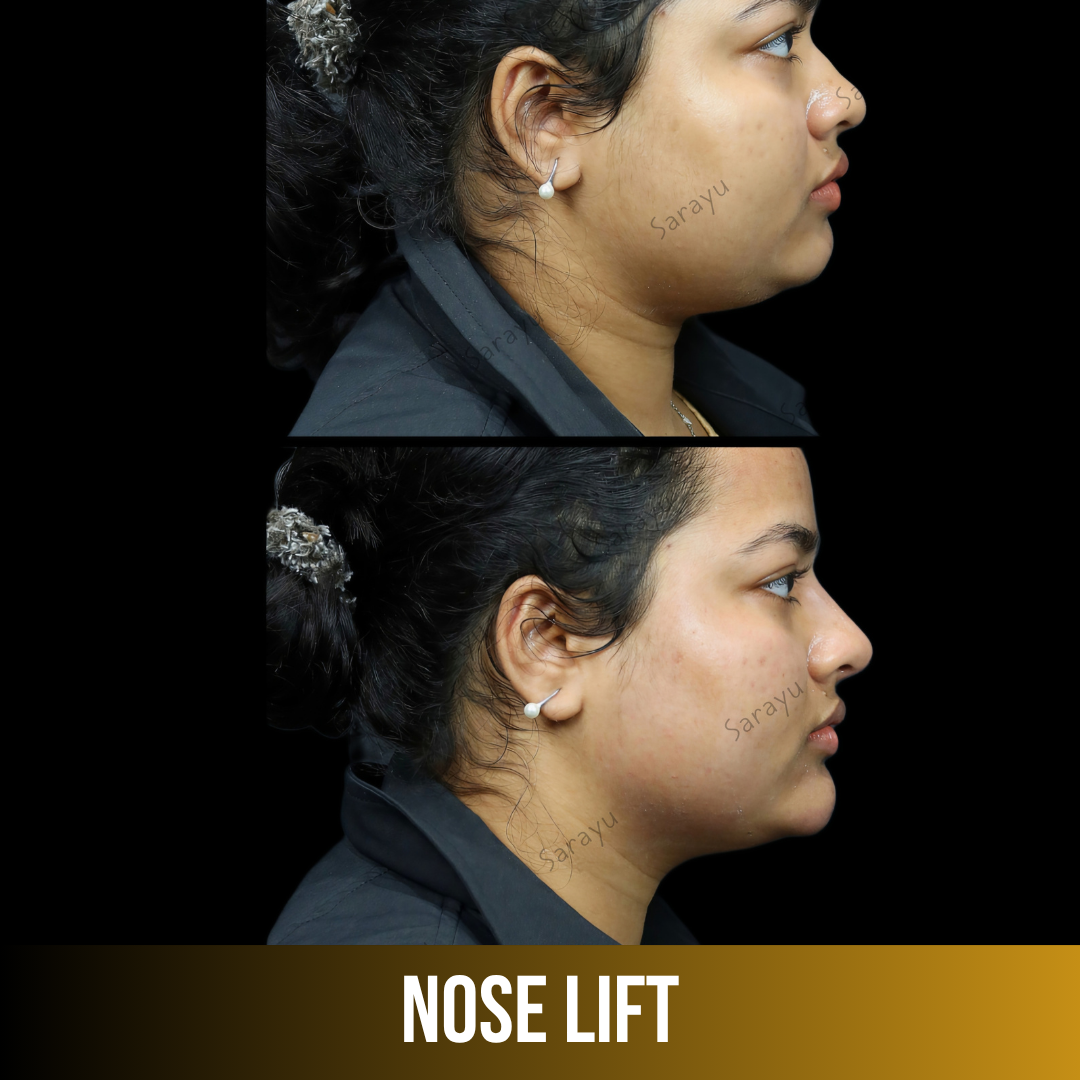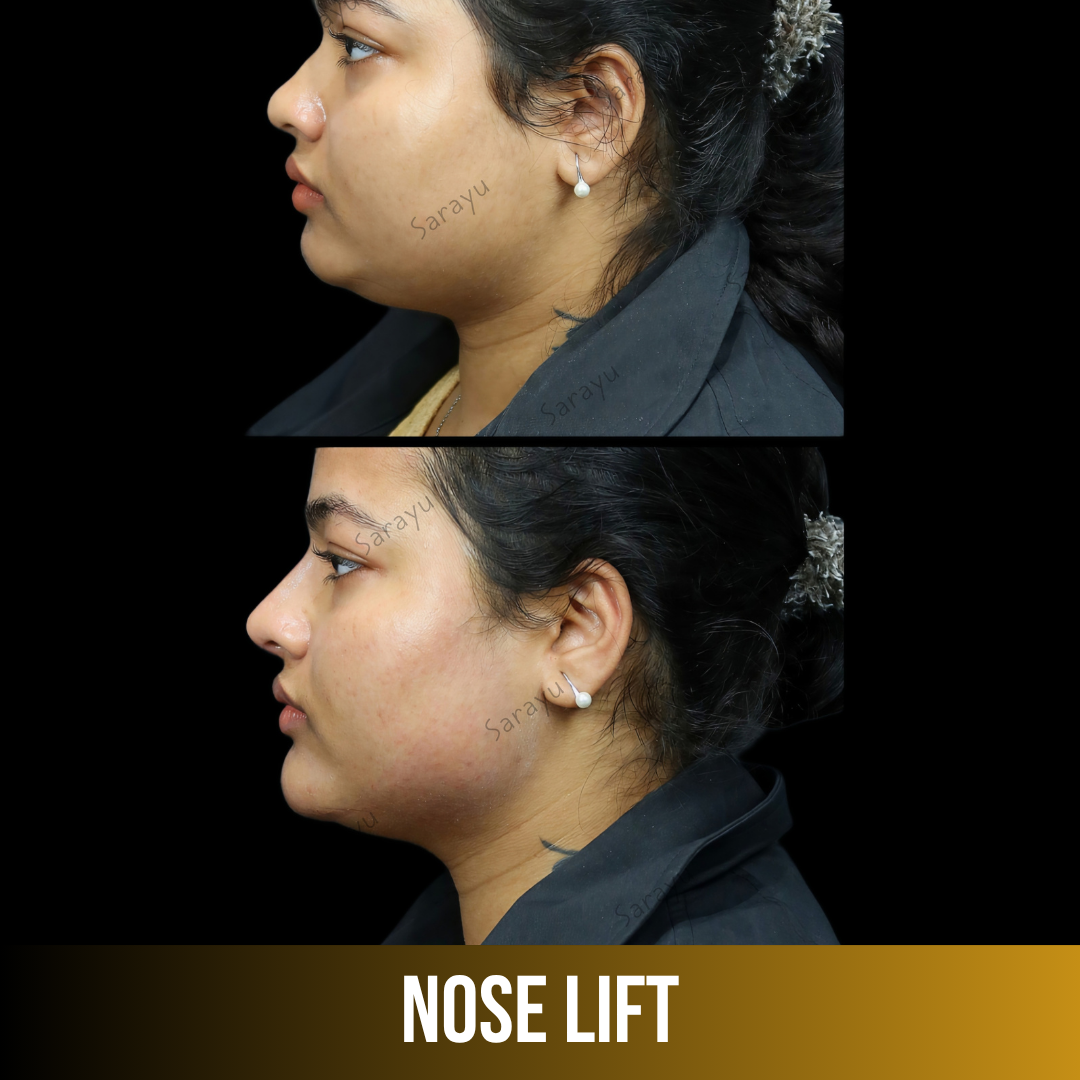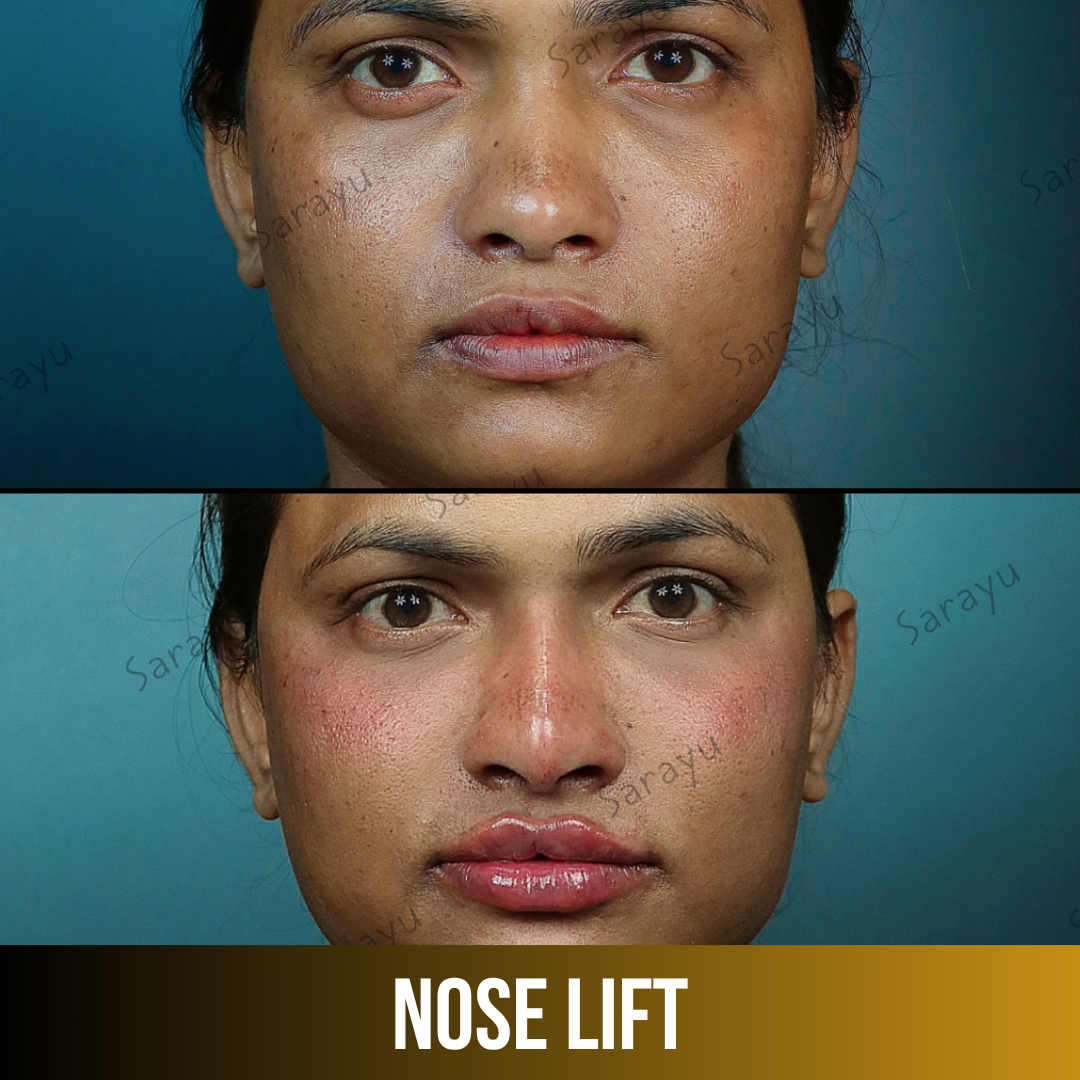
Rhinoplasty in Delhi
- Expert Cosmetic & Plastic Surgery at Sarayu Clinics | Dr. Adarsh Tripathi
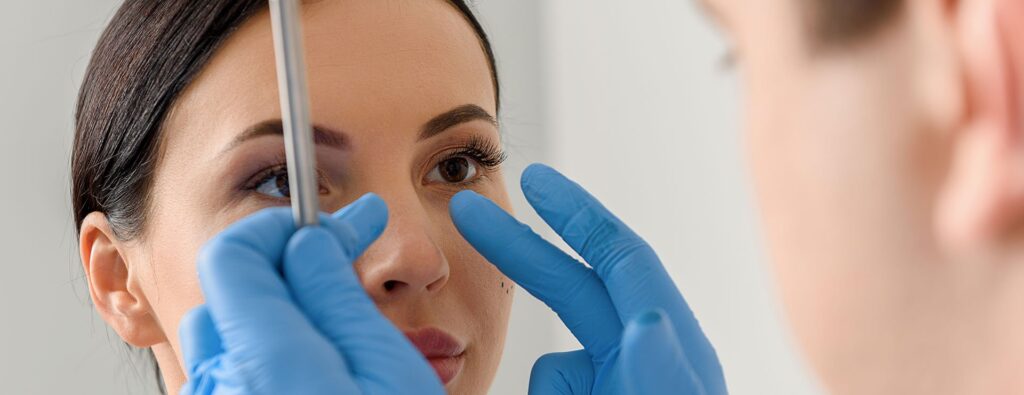
Thinking About a Nose Job in Delhi? Here’s Everything You Need to Know
Your nose sits at the very centre of your face. When it feels out of proportion — whether the bridge has a bump, the tip droops, or one nostril looks different from the other — it can affect your confidence every time you look in the mirror. Rhinoplasty, commonly known as a nose job, is one of the most technically demanding cosmetic procedures in existence. But when it is performed well, the results look entirely natural — like you, only more balanced.
At Sarayu Clinics in Delhi, Dr. Adarsh Tripathi performs rhinoplasty for both aesthetic and functional goals. Whether you want a subtle refinement or a more significant structural change, this guide will walk you through exactly what to expect — in plain, honest terms.
What Is Rhinoplasty?
Rhinoplasty is a surgical procedure that reshapes the nose by modifying the underlying bone, cartilage, and soft tissue. The term comes from the Greek words rhinos (nose) and plassein (to shape). It is one of the most commonly performed cosmetic surgeries in the world — and also one of the most challenging, because even a change of one or two millimetres can significantly alter how a face looks.
Rhinoplasty can address:
- A prominent dorsal hump (the bump on the nose bridge)
- A nasal tip that is bulbous, drooping, upturned, or asymmetric
- A nose that appears too wide, too narrow, or too large for the face
- Nostril size or shape asymmetry
- Breathing problems caused by a deviated septum or structural obstruction
- Post-injury or post-accident nasal deformity
- Results from a previous rhinoplasty that need correction (revision rhinoplasty)
When rhinoplasty addresses both appearance and breathing, it is called a functional rhinoplasty or septorhinoplasty. When it focuses primarily on aesthetics, it is a cosmetic rhinoplasty. Many patients benefit from both being done at the same time.
Types of Rhinoplasty — Which Approach Is Right for You?
There is no single rhinoplasty technique. The right approach depends on your anatomy, the changes you want, and your surgeon’s assessment. Here is a clear breakdown of the main techniques.
Open Rhinoplasty
In an open approach, a small incision is made across the columella — the narrow strip of tissue that separates your nostrils. This gives the surgeon direct visibility of the entire nasal structure. It is the preferred technique for complex reshaping, significant tip work, or revision procedures. The scar from the columellar incision is typically very small and fades to near-invisibility within a few months.
Closed Rhinoplasty
In a closed approach, all incisions are made inside the nostrils. There are no external scars at all. Recovery tends to be slightly faster, and this technique is well suited for patients who need moderate changes — such as reducing a dorsal hump or refining the bridge — without extensive tip work.
Revision Rhinoplasty
Also called secondary rhinoplasty, this procedure corrects or refines the results of a previous nose job that did not achieve the desired outcome, or where complications arose. Revision rhinoplasty is technically more complex than a primary procedure because the surgeon must work with scar tissue and altered anatomy. It requires a surgeon with advanced experience — and patience. Dr. Tripathi will always assess whether enough time has elapsed since the previous surgery before recommending a revision.
Septorhinoplasty (Functional + Cosmetic)
If a deviated septum is contributing to breathing difficulty, correcting it can be combined with cosmetic reshaping in a single procedure. This avoids two separate surgeries, two anaesthetic episodes, and two recovery periods. If you have both a breathing concern and an aesthetic concern, this combined approach is often the most efficient solution.
Tip Rhinoplasty
Some patients only want changes to the nasal tip — narrowing it, lifting it, or reducing a bulbous appearance — without altering the bridge. Tip rhinoplasty is a more limited procedure with a correspondingly shorter recovery, and it can produce a dramatic improvement in facial harmony with relatively targeted surgery.
Why Surgeon Choice Is the Most Important Decision You Will Make
No other factor affects the outcome of rhinoplasty more than the skill and experience of the surgeon. This is not a procedure where you want to cut corners on cost or credentials. Rhinoplasty has one of the highest revision rates of any cosmetic procedure — largely because patients chose a surgeon who was not adequately experienced with nasal anatomy.
When choosing a rhinoplasty surgeon in Delhi, here is what genuinely matters:
- A portfolio of rhinoplasty before-and-after photos showing consistent, natural results — not just their best cases
- Specific experience with your nose type — South Asian nasal anatomy is structurally different from Western noses and requires a surgeon who understands those differences
- A surgical facility accredited for day-surgery or inpatient procedures
- A consultation style that encourages questions and sets realistic expectations — not one that promises dramatic transformation without discussing limitations
Dr. Adarsh Tripathi at Sarayu Clinics meets all of these criteria and takes a conservative, natural-result approach to nasal reshaping. His patients come from across Delhi, as well as from Noida, Gurgaon, Faridabad, and other parts of India.
- Dr. Adarsh Tripathi Maxillofacial And Facial Plastic Surgeon.
- Specialised experience with rhinoplasty for South Asian patients
- Modern surgical facility in Delhi
- Transparent consultation — realistic outcomes discussed openly
- Before-and-after gallery available for review at consultation
- Serving patients from Delhi NCR, Noida, Gurgaon, and Faridabad
How to Prepare for Rhinoplasty — What You Need to Do Before Surgery ?
Good preparation reduces complications and gives your body the best possible conditions to heal. Here is what to expect before your procedure.
Medical Evaluation
Before surgery is confirmed, you will undergo standard health checks — blood tests, a review of your medical history, and an assessment of any medications you currently take. Some conditions, such as uncontrolled blood pressure or bleeding disorders, need to be managed before surgery can safely proceed.
Medications to Avoid
Stop taking aspirin, ibuprofen, and any other blood-thinning medications or supplements (including fish oil, vitamin E, and some herbal remedies) at least 10 to 14 days before surgery. These increase the risk of bleeding during and after the procedure. Your surgeon will give you a specific list.
Smoking
Smoking significantly impairs wound healing and increases the risk of infection and poor scarring. You will be asked to stop smoking for a minimum of two weeks before surgery and two weeks after. The longer you abstain, the better your healing will be.
Arranging Support
You will not be able to drive yourself home after surgery. Arrange for someone to take you home and stay with you for the first 24 to 48 hours. If you live alone, consider having a family member or friend stay with you for the first couple of days.
Your Home Environment
Stock up on soft foods, ice packs, and the medications your surgeon prescribes. Set up a sleeping area where you can comfortably keep your head elevated — this helps reduce swelling significantly. Avoid making any major commitments for the 10 days following your surgery.
What Happens During Rhinoplasty — A Step-by-Step Walkthrough ?
Step 1 — Anaesthesia
Rhinoplasty in Delhi is typically performed under general anaesthesia, meaning you will be fully asleep and unaware throughout the procedure. In some minor cases — such as a limited tip refinement — local anaesthesia with sedation may be used instead. Your surgeon and anaesthetist will advise you on what is appropriate for your procedure.
Step 2 — Incisions
The surgeon makes incisions using either the open or closed approach, as discussed during your consultation. These access points allow the surgeon to lift the skin away from the underlying structures and work directly on the bone and cartilage.
Step 3 — Reshaping
This is the core of the procedure. Depending on your goals, the surgeon may reduce a dorsal hump by removing bone and cartilage, refine the nasal tip by reshaping or repositioning cartilage, narrow the bridge by carefully breaking and repositioning nasal bones (an osteotomy), correct asymmetry, or improve airflow by straightening the septum. Grafts of cartilage — sometimes taken from inside the nose, the ear, or occasionally the rib — may be used to add structure or projection where needed.
Step 4 — Closing and Splinting
Once the reshaping is complete, the skin is re-draped over the new nasal framework and sutured closed. A splint or cast is applied to the outside of the nose to protect the new structure during the first week of healing. Internal soft splints or packing may also be placed inside the nostrils temporarily.
Step 5 — Recovery Room
You will be monitored in a recovery area as the anaesthesia wears off. Most patients go home the same day. You will be given written aftercare instructions and a follow-up appointment will be scheduled before you leave.
The entire surgical procedure typically takes between 1.5 and 3 hours, depending on the complexity of the changes being made.
Rhinoplasty Recovery — What to Expect Week by Week
Recovery from rhinoplasty is a gradual process. Understanding each stage helps you stay calm and patient, especially during the early weeks when swelling can make it hard to see your final result.
Timeframe | What You Will Experience | What You Can Do |
Days 1–3 | Swelling, bruising around eyes, blocked nose, mild pain | Rest, keep head elevated, take prescribed medication |
Week 1 | Splint in place, bruising visible, breathing through mouth | Work from home if needed; light activity only |
Week 2 | Splint removed, bruising fades, significant improvement visible | Return to desk work; avoid strenuous activity |
Weeks 3–4 | Most visible bruising gone; swelling continues to reduce | Resume light exercise; avoid contact sports |
Months 1–3 | Majority of swelling subsides; nasal shape becomes clearer | Resume most normal activities; protect nose |
Months 6–18 | Remaining subtle swelling resolves; final result emerges | Full result now visible |
Rhinoplasty for South Asian Patients — A Note on Natural Results
India has a rich diversity of nasal shapes, and what constitutes an aesthetically pleasing nose varies significantly between individuals. Rhinoplasty in Delhi is not about achieving a “Western” nose — it is about creating a nose that is in harmony with your specific face.
South Asian noses often have thicker skin, a wider base, a flatter bridge, or a rounder tip — and surgical planning must account for all of these characteristics. A technique that produces good results in one patient may not work at all in another with different skin thickness or cartilage strength.
Dr. Tripathi takes an individual, anatomy-first approach. During the consultation, he will study your nasal photographs, discuss your specific concerns, and explain what is and is not surgically achievable — so that your expectations are grounded in reality from day one.
Risks and Complications — What You Should Know
Rhinoplasty is a safe procedure when performed by a qualified surgeon in an appropriate facility, but no surgery is without risk. Being informed means you can make a genuinely free decision.
Potential risks include:
- Swelling that takes longer than expected to resolve — this is the most common concern and is not a complication
- Infection — uncommon; managed with antibiotics
- Bleeding (epistaxis) — usually minor and self-resolving
- Asymmetry — in rare cases, a minor revision may be needed
- Breathing changes — typically temporary, but occasionally a structural issue requires attention
- Scarring — minimal with skilled technique; external scars from open rhinoplasty typically fade well
- Anaesthesia reactions — rare; assessed during pre-operative evaluation
- Unsatisfactory aesthetic result requiring revision — most common when expectations were unrealistic or the surgeon was under-qualified
The risk of needing revision surgery is significantly lower when you choose an experienced, specialist surgeon and set realistic goals from the outset. Dr. Tripathi will discuss your individual risk profile at your consultation.
Rhinoplasty Cost in Delhi — What Determines the Price?
The cost of rhinoplasty in Delhi typically ranges from approximately ₹70,000 to ₹2,00,000 or more, depending on the nature and complexity of the procedure. This is a broad range for good reason — a tip refinement under local anaesthesia is a very different procedure from a full open septorhinoplasty under general anaesthesia.
The main factors that affect cost are:
- Complexity of the procedure — primary versus revision, one technique versus combined
- Whether general or local anaesthesia is used
- Surgeon’s experience and specialisation
- Surgical facility and hospitalisation requirements
- Need for cartilage grafting (rib, ear, or septal)
Procedure Type | Approximate Cost Range (INR) |
Tip Rhinoplasty | ₹70,000 – ₹1,20,000 |
Closed Rhinoplasty | ₹75,000 – ₹1,40,000 |
Open Rhinoplasty | ₹90,000 – ₹1,80,000 |
Septorhinoplasty (Functional + Cosmetic) | ₹1,00,000 – ₹2,00,000 |
Revision Rhinoplasty | ₹1,20,000 – ₹2,50,000+ |
Prices shown are for guidance only. Your final treatment cost will be confirmed during the initial consultation, based on your individual needs, concerns, and personalised treatment plan.
Note: These are indicative ranges. You will receive a specific quote after your consultation, once Dr. Tripathi has assessed your anatomy and discussed your goals. Always be cautious of unusually low prices — rhinoplasty is a complex procedure, and cost-cutting in surgical care often leads to poor results and expensive revisions.
Cosmetic rhinoplasty is not covered by health insurance. If you have a deviated septum causing genuine breathing problems, the functional (septoplasty) component may be eligible for partial insurance coverage — ask your insurer directly.
Frequently Asked Questions About Rhinoplasty in Delhi
These are the questions patients ask most often before booking a rhinoplasty consultation with Dr. Tripathi.
Q1.How long does rhinoplasty surgery take?
Most rhinoplasty procedures take between 1.5 and 3 hours. A limited tip refinement may be completed in under 90 minutes, while a complex open rhinoplasty or revision procedure can take 3 hours or longer. Your surgeon will give you a specific estimate once your treatment plan is finalised.
Q2.Is rhinoplasty painful?
During the procedure, you will be under general anaesthesia and will feel nothing. After surgery, most patients describe the discomfort as pressure and stuffiness rather than sharp pain — similar to a heavy head cold. This is well-managed with prescribed pain relief in the first few days. Most patients find the swelling and appearance more bothersome than the pain itself.
Q3.When can I return to work after a nose job in Delhi?
Most patients are able to return to desk-based or remote work within 7 to 10 days, once the splint is removed and most visible bruising has faded. If your work involves physical labour, heavy lifting, or a client-facing role where you are conscious of your appearance, you may want to wait 2 to 3 weeks.
Q4.When will I see my final rhinoplasty result?
You will see a significant improvement once the splint comes off at around 7 to 10 days. Most of the swelling resolves within 3 months, giving you a very good idea of your result. However, the final result — particularly at the nasal tip, where skin is thickest — takes 12 to 18 months to fully emerge. Patience is genuinely important here.
Q5.Will there be visible scars after rhinoplasty?
With closed rhinoplasty, all incisions are inside the nostrils — there are no external scars at all. With open rhinoplasty, a small incision is made across the columella (between the nostrils). This scar is typically very fine and fades to near-invisibility within 6 months in most patients. It is rarely noticeable to others.
Q6.Are rhinoplasty results permanent?
Yes, rhinoplasty produces permanent structural changes to the nose. The bones and cartilage that are reshaped do not revert. That said, your nose — like the rest of your face — will continue to age naturally over the decades, and very subtle changes may occur over a long period of time.
Q7.Can rhinoplasty fix a deviated septum and improve breathing?
Yes. When rhinoplasty is performed alongside septoplasty (correction of a deviated septum), it is called a septorhinoplasty. This addresses both the appearance and the function of the nose in a single surgery. If you have noticed that one nostril feels consistently more blocked than the other, or that you snore or struggle with nasal breathing, mention this during your consultation.
Q8.What is the difference between a nose job and rhinoplasty?
They are the same thing. Rhinoplasty is the medical term for what is commonly called a nose job. Both refer to the surgical reshaping of the nose.
Q9.Can rhinoplasty be combined with other cosmetic procedures?
Yes. Rhinoplasty is commonly combined with chin augmentation (to improve overall facial balance), lip reduction, or other facial procedures. Addressing multiple areas in a single surgery reduces total recovery time compared to having separate procedures. Dr. Tripathi can advise which combinations make sense for your goals.
Q10.How do I know if I need open or closed rhinoplasty?
Your surgeon will make this determination based on your anatomy and the extent of changes required. As a general guide: closed rhinoplasty works well for moderate changes to the bridge and limited tip work. Open rhinoplasty is preferred for complex tip reshaping, significant asymmetry correction, or revision procedures. Your consultation will clarify which approach is most appropriate for you.
Q11.Is rhinoplasty covered by insurance in India?
Cosmetic rhinoplasty — performed purely for appearance — is not covered by health insurance. However, if you have a documented functional problem such as a deviated septum causing breathing difficulties, the corrective component (septoplasty) may be partially reimbursable. Check with your insurer before your procedure.
Aftercare — How to Protect Your Results During Recovery
The care you give your nose in the weeks after surgery has a direct impact on how your results turn out. Follow these guidelines closely.
- Keep your head elevated for the first 2 weeks — even while sleeping. Use extra pillows to prop yourself up at a 30 to 45 degree angle. This reduces swelling significantly.
- Apply cold compresses gently around (not directly on) the nose for the first 48 to 72 hours to reduce bruising and swelling.
- Do not blow your nose for at least 3 to 4 weeks. If you need to sneeze, do so with your mouth open to prevent pressure build-up inside the nose.
- Avoid strenuous exercise, heavy lifting, and anything that raises your heart rate significantly for at least 4 weeks.
- Do not wear glasses resting on the bridge of the nose for at least 6 weeks. If you need glasses, use tape to suspend them from your forehead.
- Avoid direct sun exposure on the nose for 3 to 6 months — sun can cause swelling to linger and may affect scarring.
- Attend all scheduled follow-up appointments. Dr. Tripathi will monitor your healing at 1 week, 1 month, 3 months, and 1 year.
- Do not smoke during recovery — it significantly impairs tissue healing.
Why Delhi Is One of India’s Leading Destinations for Rhinoplasty
Delhi has emerged as a major hub for cosmetic and reconstructive surgery in India — and for good reason. The city is home to some of the country’s most skilled and internationally trained plastic surgeons, combined with modern surgical infrastructure, competitive pricing relative to international markets, and easy accessibility from all parts of India.
Patients from across India — as well as the Indian diaspora from the UK, USA, and Gulf countries — routinely travel to Delhi for rhinoplasty, often combining the procedure with a visit to family. The pricing in Delhi is substantially lower than equivalent procedures in Europe or North America, while the quality of care at specialist clinics such as Sarayu Clinics is comparable to international standards.
At a glance — Rhinoplasty in Delhi at Sarayu Clinics: • Expert surgeon with specific rhinoplasty specialisation • Personalised pre-surgery consultation and 3D planning discussion • Day-surgery procedure — go home the same day in most cases • Transparent pricing with no hidden costs • Comprehensive aftercare and follow-up programme • Conveniently located in Delhi, accessible from all NCR areas |
Book Your Rhinoplasty Consultation at Sarayu Clinics, Delhi
If you have been thinking about rhinoplasty — whether for cosmetic reasons, breathing issues, or both — the first step is a detailed, no-pressure consultation with Dr. Adarsh Tripathi. During this appointment, you will discuss your concerns, review before-and-after cases, and receive an honest assessment of what surgery can achieve for your specific nose and face.
There is no commitment required to book a consultation, and you are welcome to ask every question you have. Dr. Tripathi believes that well-informed patients make better decisions — and that good outcomes depend on honest communication from the very beginning.
How to Reach Us:
Phone: +91 9289111081 , +91 9289111082
Email: sarayuinquiries@gmail.com
Sarayu Clinics website: www.sarayuclinics.com
Facebook: https://www.facebook.com/sarayuclinic
Instagram: https://www.instagram.com/sarayuclinics/
Dr. Adarsh Tripathi’s profile: https://dradarshtripathi.com/
Online Booking: Visit our website https://sarayuclinics.com/contact-us/ to schedule appointments conveniently.
Our Patients