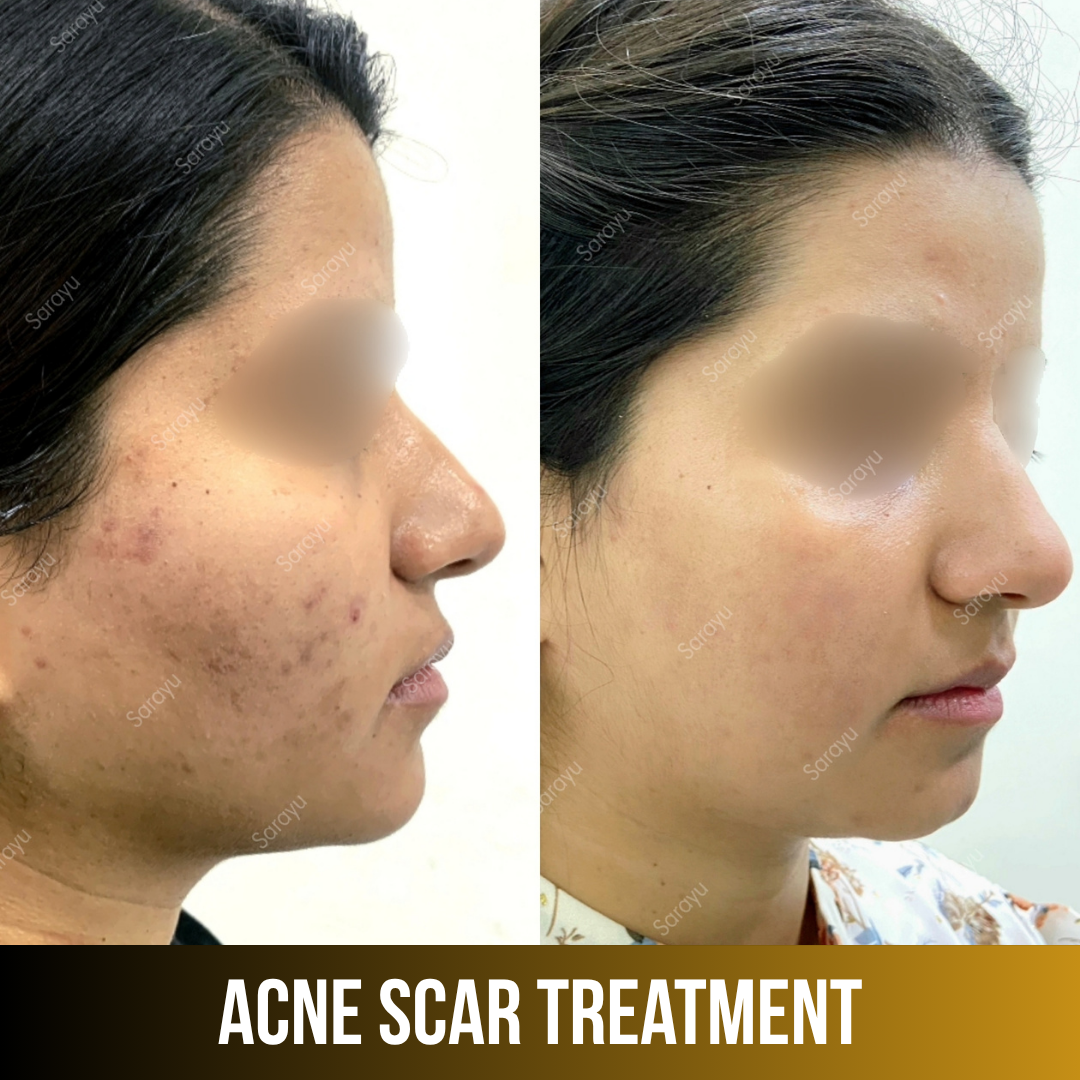
Acne Treatment in Delhi
Best Acne Treatment in Delhi for Long-Lasting Results
Acne is the most common skin condition in the world — not a sign of poor hygiene, not a teenage problem you should have grown out of, not something a face wash will fix. It’s a chronic, inflammatory medical condition with four moving parts under the skin, and the right treatment depends almost entirely on what kind of acne you have, how severe it is, and what’s driving it.
At Sarayu Clinics in Greater Kailash, acne is treated by facial plastic and maxillofacial surgeon Dr. Adarsh Tripathi. The approach is medical first, procedural second — graded to your skin, your hormones and your lifestyle. Because the clinic is surgeon-led, the full toolkit lives in-house: from prescription topicals through chemical peels, light and laser therapy, microneedling and — for severe cases — isotretinoin, intralesional cyst injections and the kind of careful work that prevents scarring rather than chasing it later.
The honest short answer : Acne can be controlled, often dramatically, but it isn’t ‘permanently cured’ by a single course of any treatment — it’s a chronic, relapsing condition with a strong hormonal and genetic basis. What you can do is reduce active breakouts, prevent the dark marks (PIH) and scarring that follow them, and shift your skin to a stable, manageable baseline. Most plans take 3–6 months for first-line treatments, longer for severe cases on isotretinoin. The single most important thing for Indian skin is to treat aggressively enough early on to prevent post-inflammatory dark marks — which can be harder to deal with than the original acne.
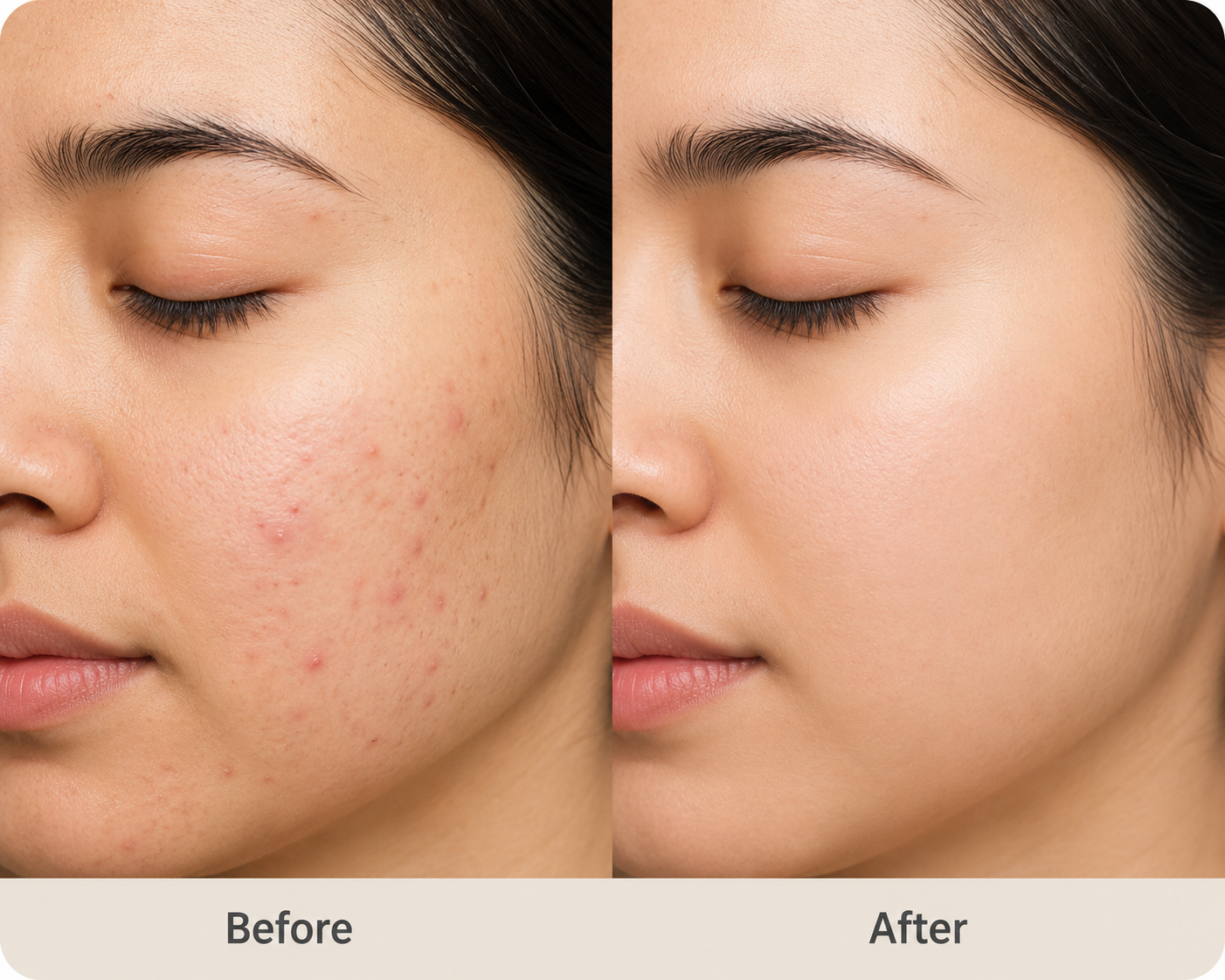
What Causes Acne, Really?
Acne happens when four processes line up under the skin at the same time:
- Excess sebum — the oil glands in the skin produce more oil, often driven by hormones.
- Blocked pores — dead skin cells stick together and plug the pore opening, trapping the oil inside.
- Bacteria — Cutibacterium acnes (the organism that normally lives on healthy skin) overgrows inside the blocked pore.
- Inflammation — the immune system reacts; what was a clogged pore becomes a red, painful spot.
Knowing which of these is dominant in your acne is what determines the treatment. Inflammation-heavy acne responds to anti-inflammatories. Bacteria-heavy acne responds to antibiotics. Sebum-heavy acne responds to retinoids, and at the extreme to isotretinoin. Most people need to address two or three of these together.
What’s Driving Your Acne? Common Triggers ?
Beyond the four mechanisms, several real-life factors push acne in the wrong direction. We screen for these during your consultation:
- Hormones — teenage hormonal shifts, the monthly cycle, polycystic ovarian syndrome (PCOS), starting or stopping the pill, pregnancy, perimenopause, and certain hormonal supplements (including high doses of whey protein and bodybuilding supplements) all matter.
- Genetics — if your parents had bad acne, your odds are higher.
- Diet — the evidence-based answer: high-glycaemic-load foods (white bread, sugar, sweetened drinks) and possibly dairy (especially skim milk and whey) can worsen acne in some people. Chocolate alone isn’t the villain it’s blamed for.
- Skincare and cosmetics — ‘acne cosmetica’ from comedogenic products is real; some hair oils, heavy creams and foundations clog pores.
- Mechanical and friction acne — masks, helmets, headbands, phone screens against the cheek, tight collars and chin straps all create ‘mask acne’ patterns. Especially relevant for Delhi commuters.
- Sweat and pollution — Delhi’s air pollution and trapped sweat under helmets and masks worsen back, chest and cheek acne.
- Medications — steroids (oral or topical), lithium, some anti-epileptics and certain anabolic agents can trigger or worsen acne.
- Stress and sleep — don’t cause acne by themselves but reliably make it worse via the stress hormone cortisol.
- Habits — touching or picking at the face, leaving makeup on overnight, sharing towels and over-cleansing all play a role.
How Severe Is Your Acne? (And Why That Matters)
The honest first step is grading your acne, because severity drives treatment more than anything else.
- Mild (Grade 1) — mostly comedones (blackheads, whiteheads) and a few small papules; usually responds to a well-chosen topical routine.
- Moderate (Grade 2) — multiple papules and pustules across the face; topical plus a short course of oral medication typically works.
- Moderately severe (Grade 3) — widespread inflammatory acne plus larger nodules; needs combination therapy and active scar-prevention.
- Severe (Grade 4) — cystic and nodular acne, conglobate patterns, real risk of scarring; isotretinoin is usually the right answer.
If your acne has been around for years, leaves dark marks or shallow scars, or hasn’t responded to over-the-counter products, it’s worth being graded properly. Continuing with home care that isn’t working actively risks scarring and pigmentation that’s harder to fix than the acne itself.
Benefits of Professional Acne Treatment
- Clearer skin, faster — medical treatment moves you from ‘something always breaking out’ to genuine, stable improvement.
- Scar prevention — the most important long-term benefit. Aggressive treatment of inflammatory acne early prevents the pitted scars that are far harder to treat later.
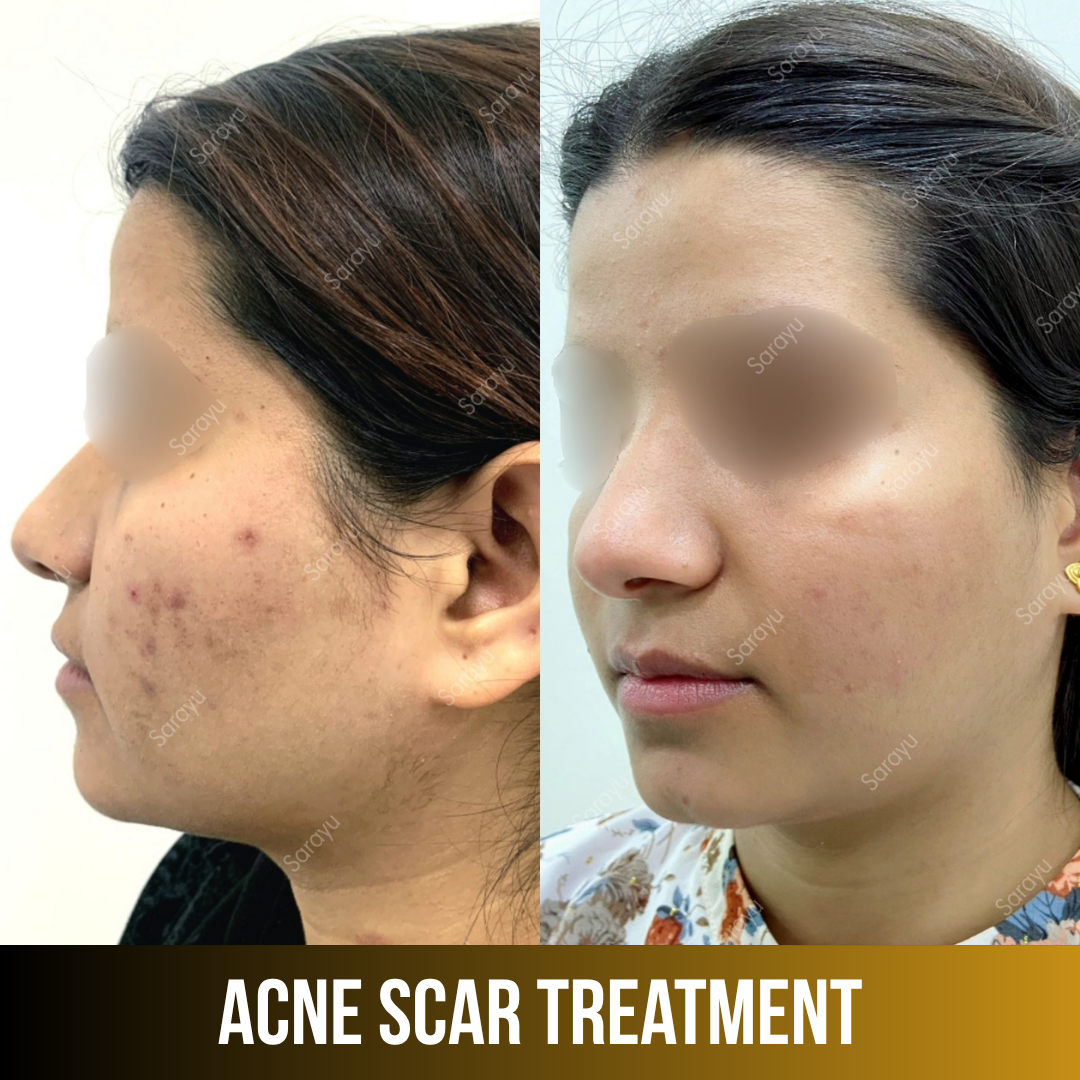
- Fewer dark marks — post-inflammatory hyperpigmentation (PIH) — the dark spots Indian skin leaves after a pimple settles — is meaningfully reduced when active acne is controlled quickly.
- A plan for your kind of acne — hormonal, cystic, mask-related, comedonal — each needs a different approach. We tailor instead of running everyone through the same protocol.
- Confidence back — acne affects mood and self-esteem more than people admit. Real improvement here pays back disproportionately.
- A simpler skincare routine — you stop spending money on every new product and use a small number of things that actually work.
- Surgeon-led safety net — large cysts can be drained or injected; severe scars can be revised. You’re already with the right specialist if you need them.
Areas We Treat
Acne shows up wherever sebaceous glands are concentrated. We treat:
- Face (forehead, cheeks, nose, around the mouth)
- Jawline and chin (the classic hormonal acne pattern)
- Neck (often related to skincare or hair products)
- Back (‘bacne’ — common, often neglected)
- Chest and shoulders
- Upper arms (mild folliculitis-like patterns)
- Buttocks (acne mechanica from prolonged sitting and friction)
- Scalp (scalp folliculitis, sometimes mistaken for dandruff)
Types of Acne We Treat
Beyond severity, the type pattern matters:
- Comedonal acne — blackheads and whiteheads dominate; usually needs retinoid-based topical therapy and extractions.
- Papulopustular acne — the classic mix of red bumps and pustules; combination topical/oral therapy works.
- Nodulocystic acne — deeper, painful, inflammatory; isotretinoin and intralesional cyst injections are the answers.
- Hormonal acne — typically lower-face, jawline and chin; PCOS workup is important; combined OCPs, spironolactone or anti-androgens can help.
- Adult-onset acne — appearing or worsening in your 20s, 30s and 40s; often hormonal or stress-driven, sometimes from skincare.
- Mask acne / mechanical acne — from masks, helmets, sports gear and friction.
- Acne cosmetica — triggered by comedogenic skincare or makeup; switching products is part of the fix.
- Steroid-induced acne — an explosion of small uniform papules from oral or topical steroid use.
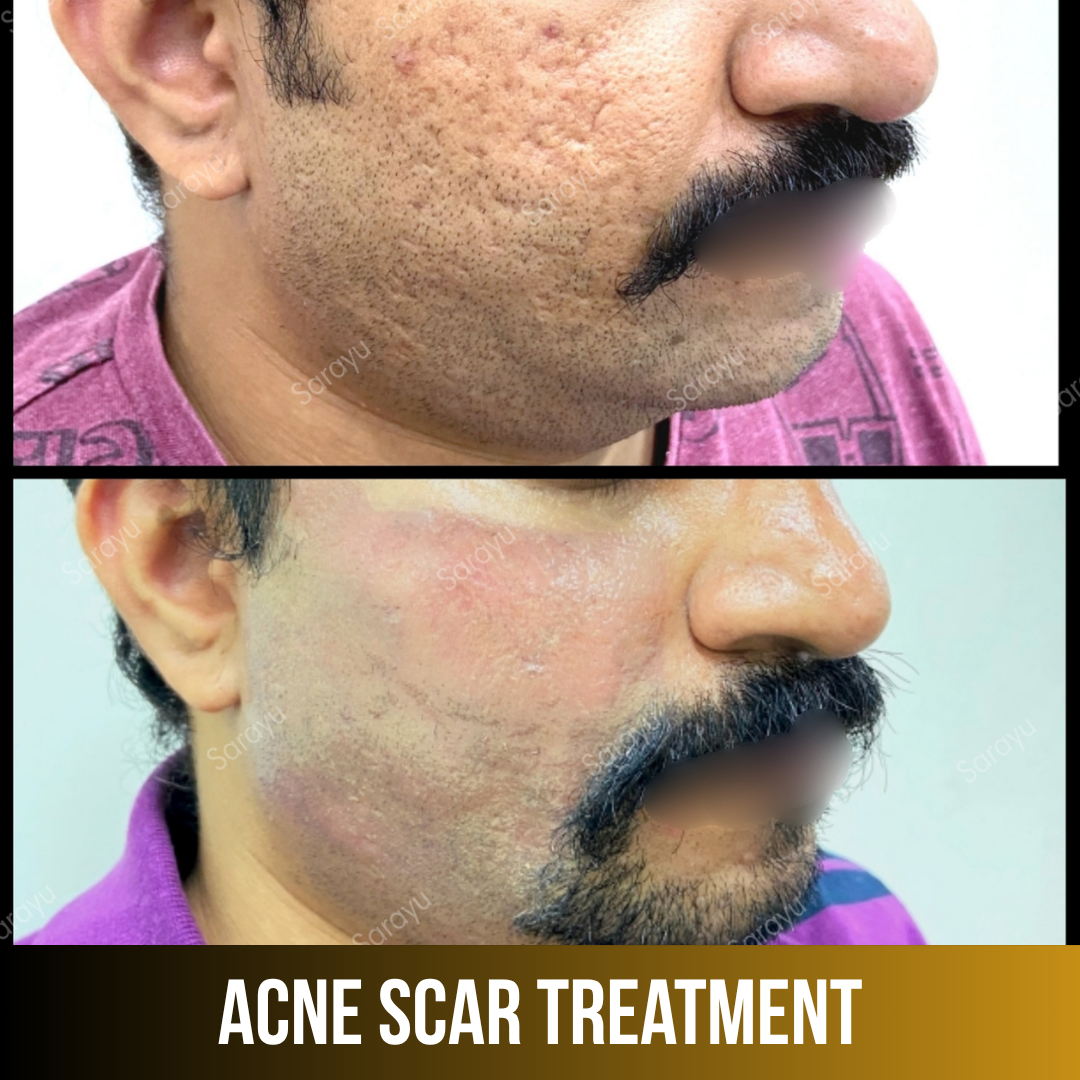
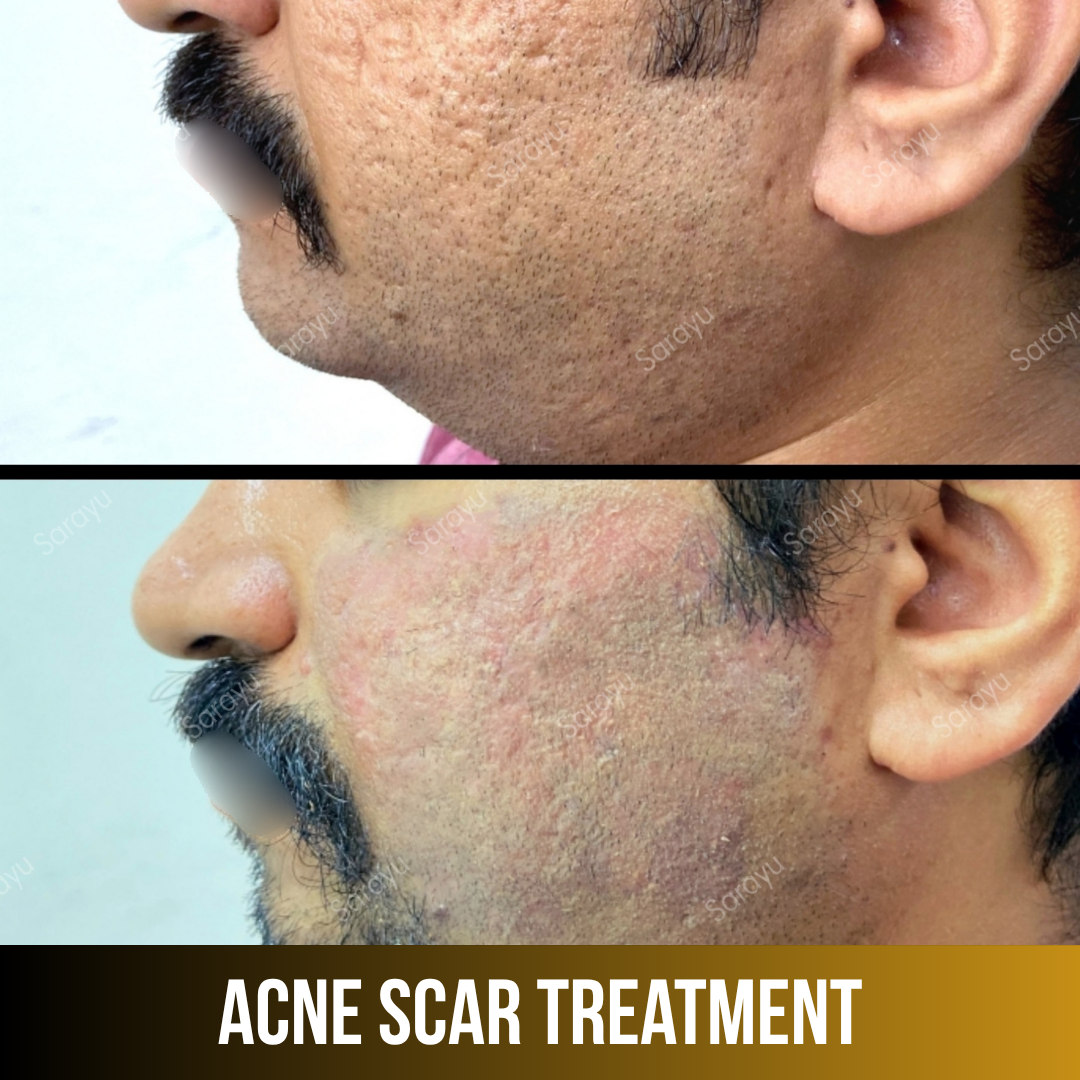
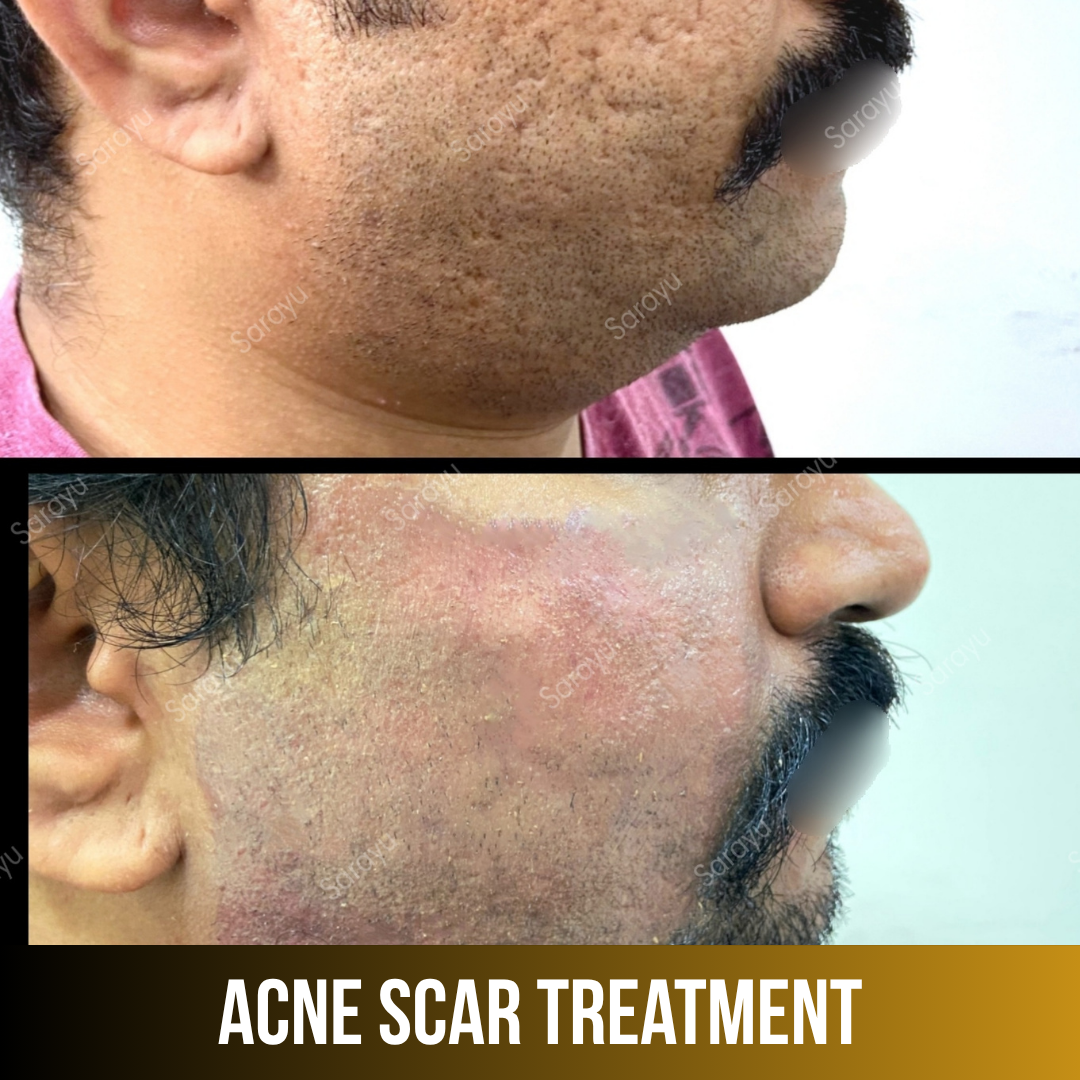
- Acne with active scarring / PIH — needs simultaneous treatment of the acne and the marks.
- Fungal acne (Malassezia folliculitis) — looks like acne but doesn’t respond to it; needs antifungals.
Acne Treatment Options at Sarayu Clinics — The Full Ladder
The right plan depends on your grade, pattern and triggers. The full toolkit we offer:
1. Skincare correction and lifestyle review
Always step one — not always glamorous, but it changes how everything else works. We audit your current routine, identify the comedogenic products quietly causing trouble, simplify the regimen, and discuss diet, sleep and habit factors honestly.
2. Prescription topicals
The cornerstone for most patients. We may prescribe topical retinoids (adapalene, tretinoin or tazarotene), benzoyl peroxide, topical antibiotics (clindamycin) usually in combination with benzoyl peroxide to prevent resistance, azelaic acid, dapsone gel, or salicylic acid — chosen for your skin type, sensitivity and severity. Used correctly, these do most of the long-term work.
3. Oral antibiotics (short courses, used carefully)
Doxycycline, minocycline or azithromycin work as anti-inflammatories more than as antibiotics. They’re prescribed in short, planned courses — typically 8–12 weeks — alongside topicals, not as standalone open-ended treatment. Long-term antibiotic use drives resistance and is no longer current practice.
4. Hormonal therapy (where appropriate)
For women with hormonal acne patterns or PCOS, combined oral contraceptive pills (the right ones, not just any) and anti-androgens such as spironolactone can be transformative. We coordinate with your gynaecologist where relevant.
5. Isotretinoin — the gold standard for severe acne
Oral isotretinoin (vitamin A derivative) remains by far the most effective treatment for severe, nodulocystic or scarring acne, and for acne that has resisted other treatments. It’s prescribed at the right dose for the right duration, with regular blood-test monitoring. It needs care — pregnancy must be strictly avoided during and shortly after the course — but used properly it can shift a severe case to a permanently better baseline. We discuss it honestly when it’s the right answer rather than keeping patients on lighter treatments that aren’t working.
6. Intralesional cortisone injection (for painful cysts)
A single, large, painful nodule or cyst can be flattened within 24–48 hours by a tiny injection of dilute corticosteroid. Particularly useful before an event — and an example of a procedure that suits a surgeon-led clinic.
7. Chemical peels
Salicylic, glycolic, mandelic and Jessner’s peels exfoliate the surface, clear pores and reduce post-inflammatory pigmentation. A carbon peel with Hollywood Spectra is a particularly good option for active acne plus dullness in one visit.
8. Comedone extraction
Performed cleanly in clinic with a sterile extractor (never with your fingers) to clear stubborn blackheads and whiteheads safely without driving the contents deeper and creating worse inflammation.
9. Light and laser therapy
Blue light (against bacteria), red light (against inflammation), Q-switched laser toning via Hollywood Spectra (which also targets pigmentation — a huge bonus for Indian skin), and newer sebum-targeting wavelengths can be added to medical therapy. They’re adjuncts, not standalone cures.
10. Microneedling for active acne + early scars
Dermapen 4 microneedling is generally avoided over very inflamed acne but is excellent for post-acne marks, early scarring and skin renewal once active acne is settling — often combined with PRP, growth factors or exosomes.
11. RF microneedling and Morpheus8 (for acne with scarring)
MNRF and Morpheus8 can reduce active oil gland activity while addressing early scarring — a useful two-in-one for patients moving from active acne into the scar-management phase.
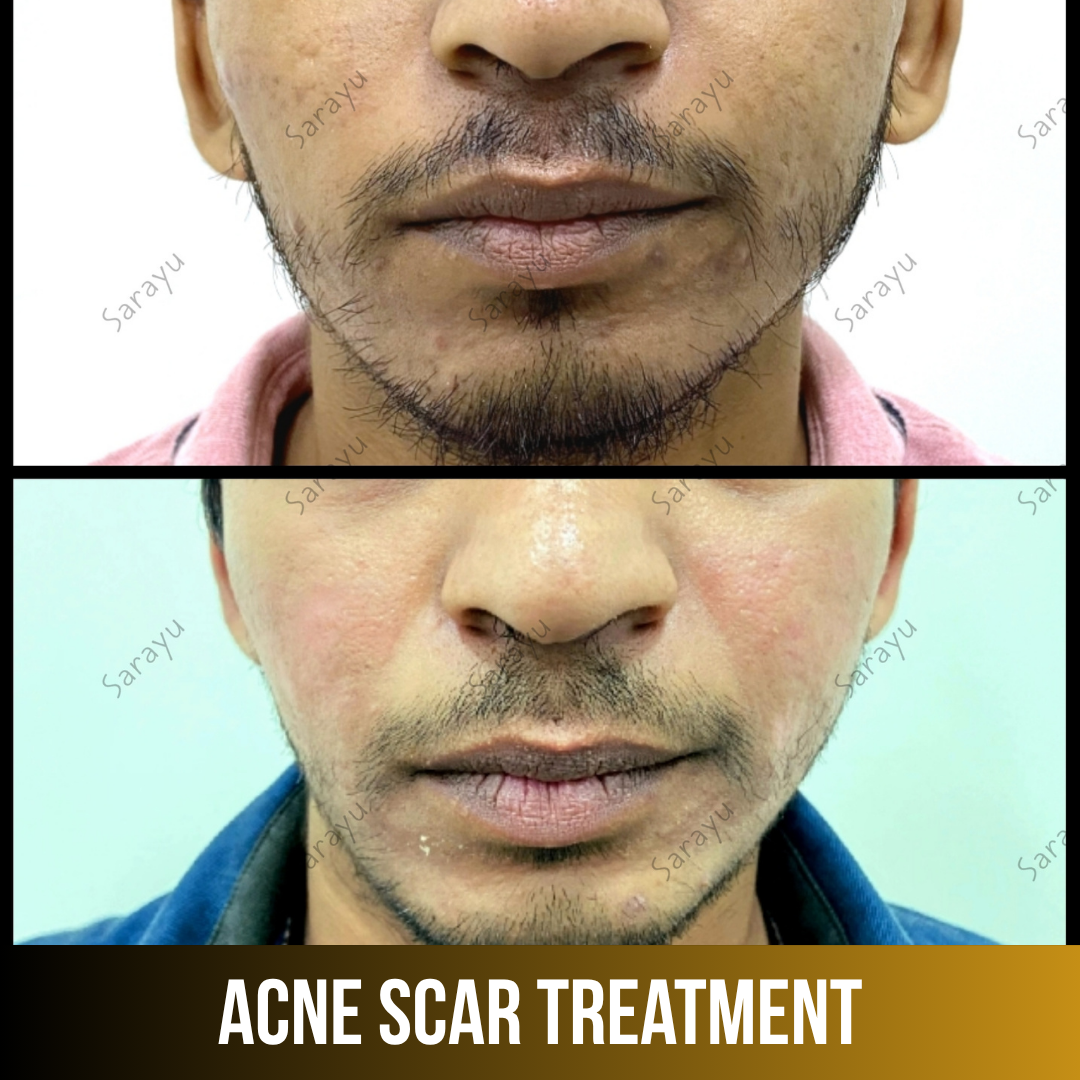
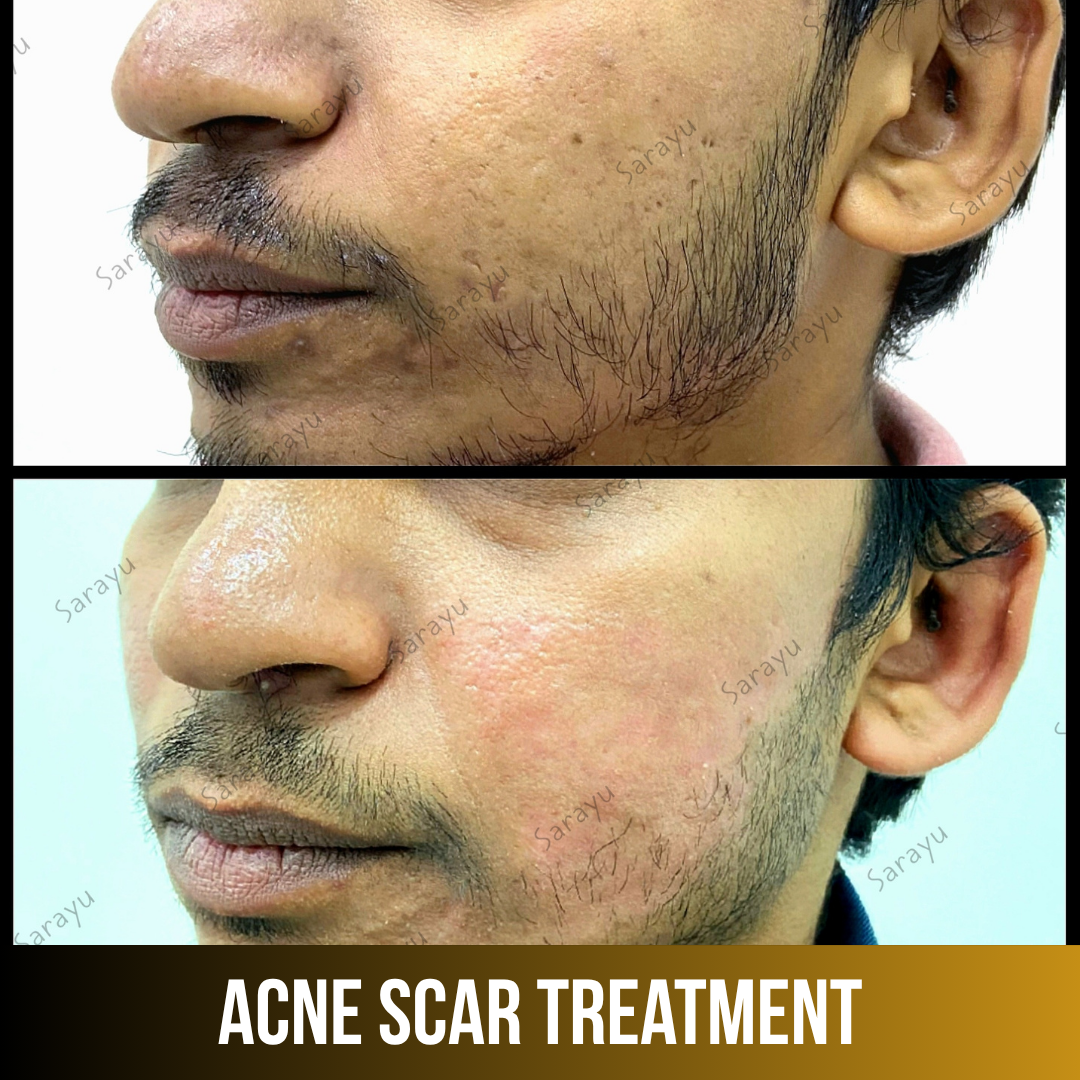
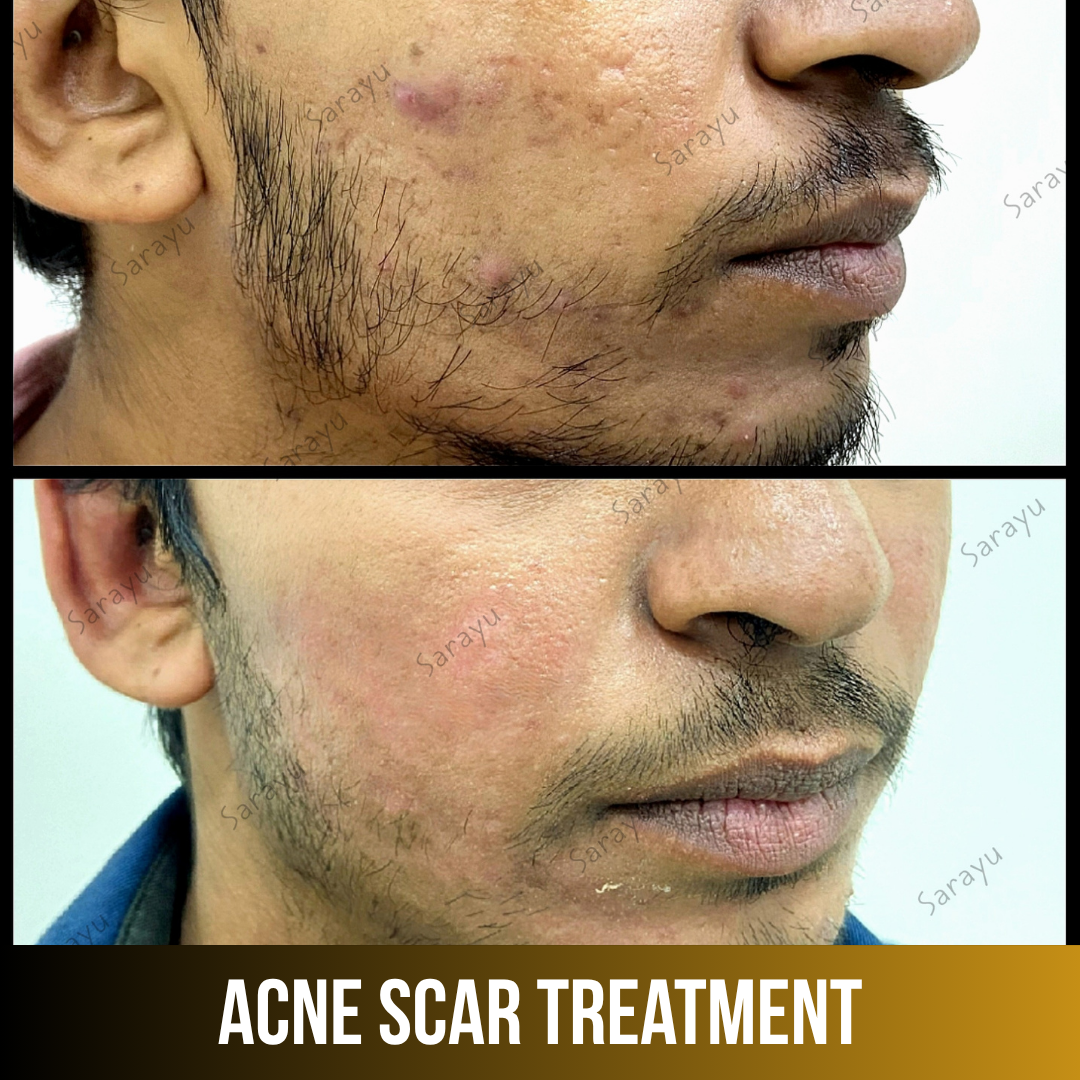
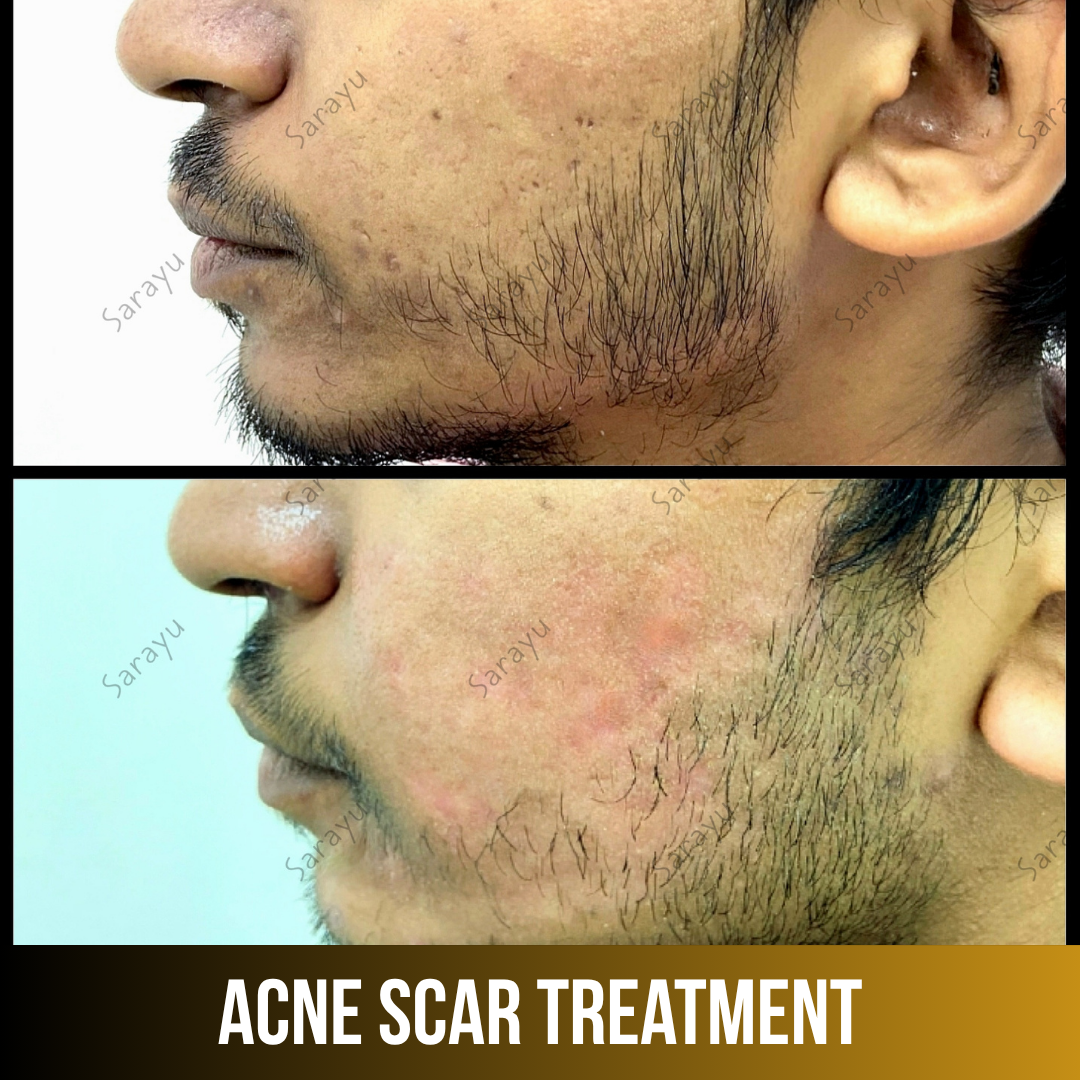
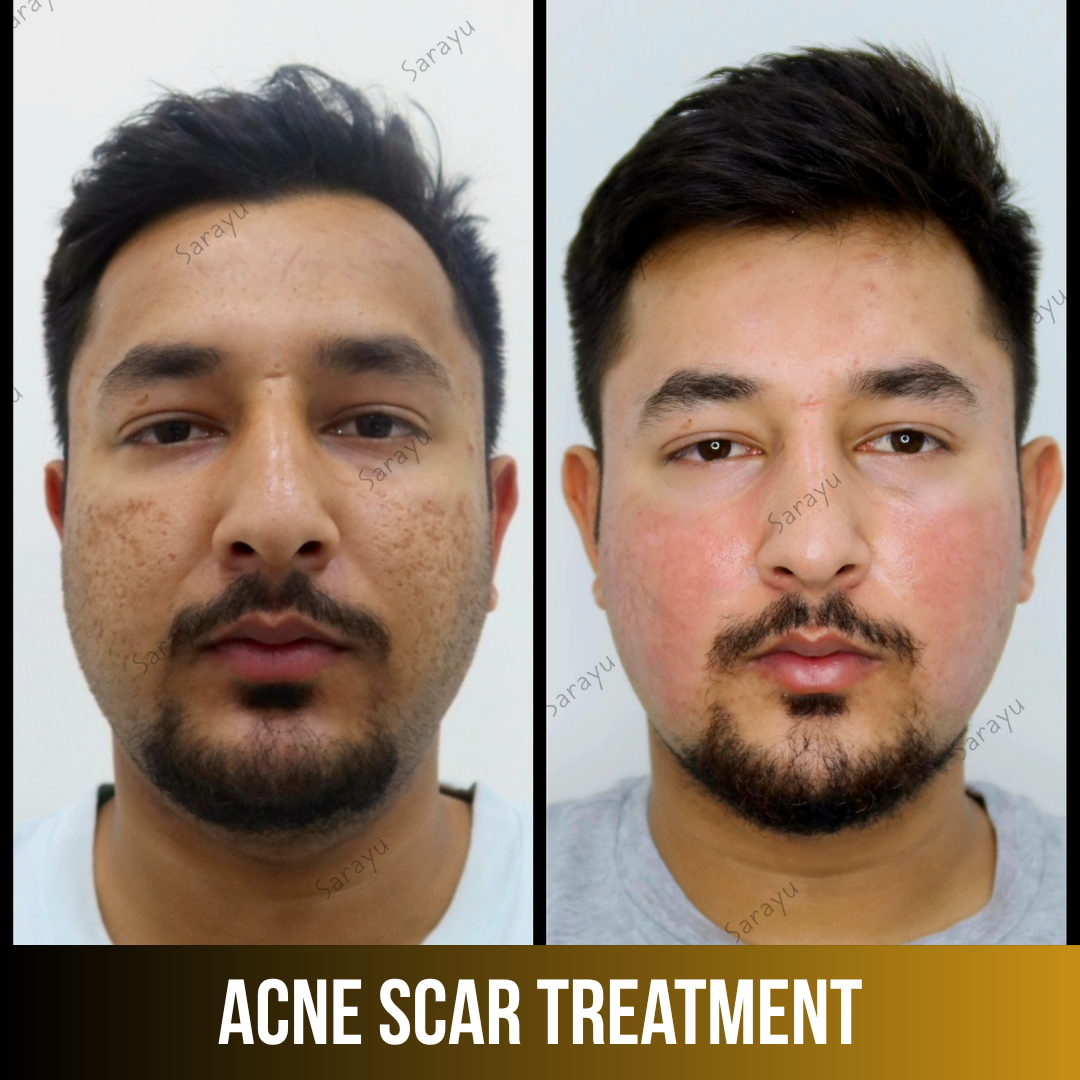
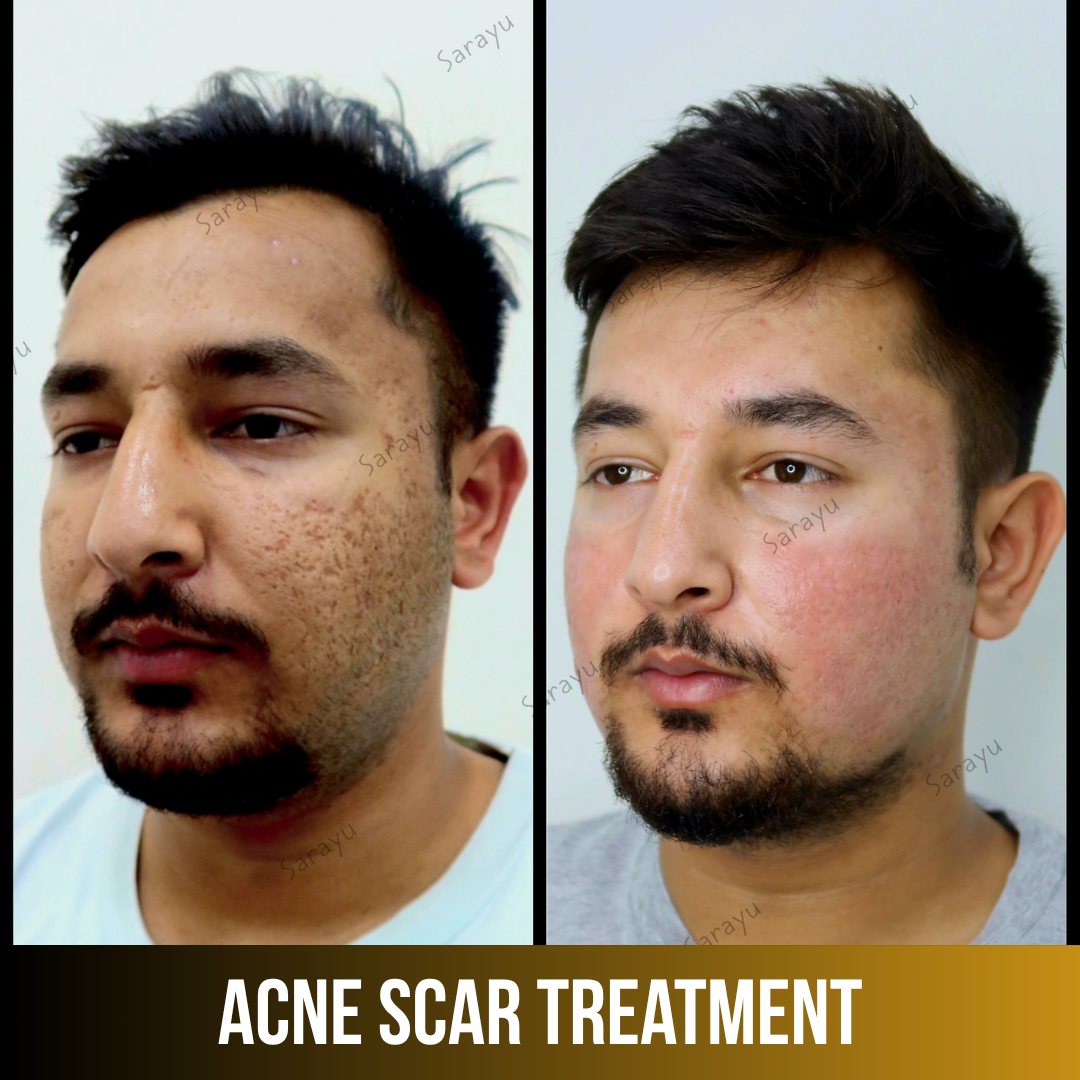
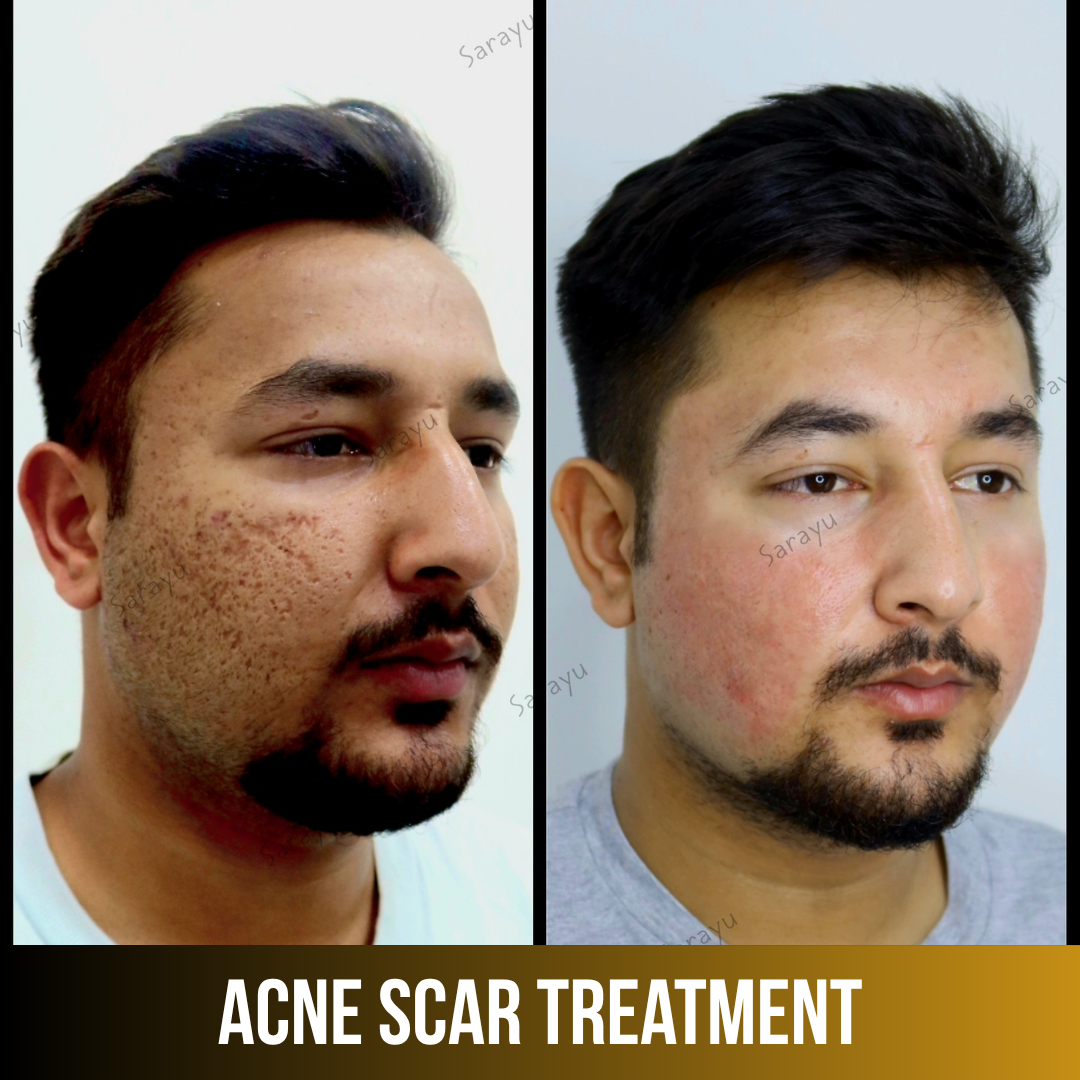
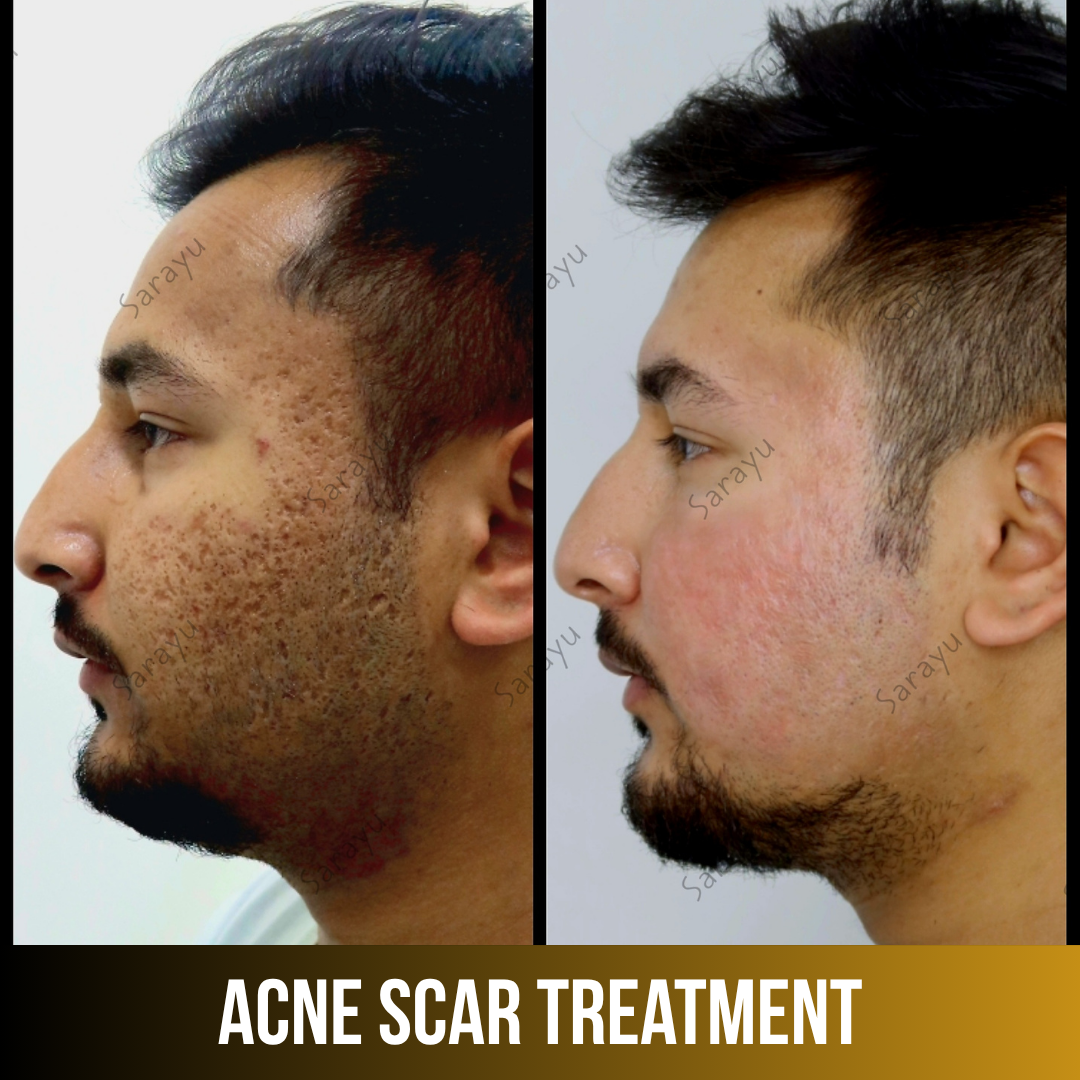
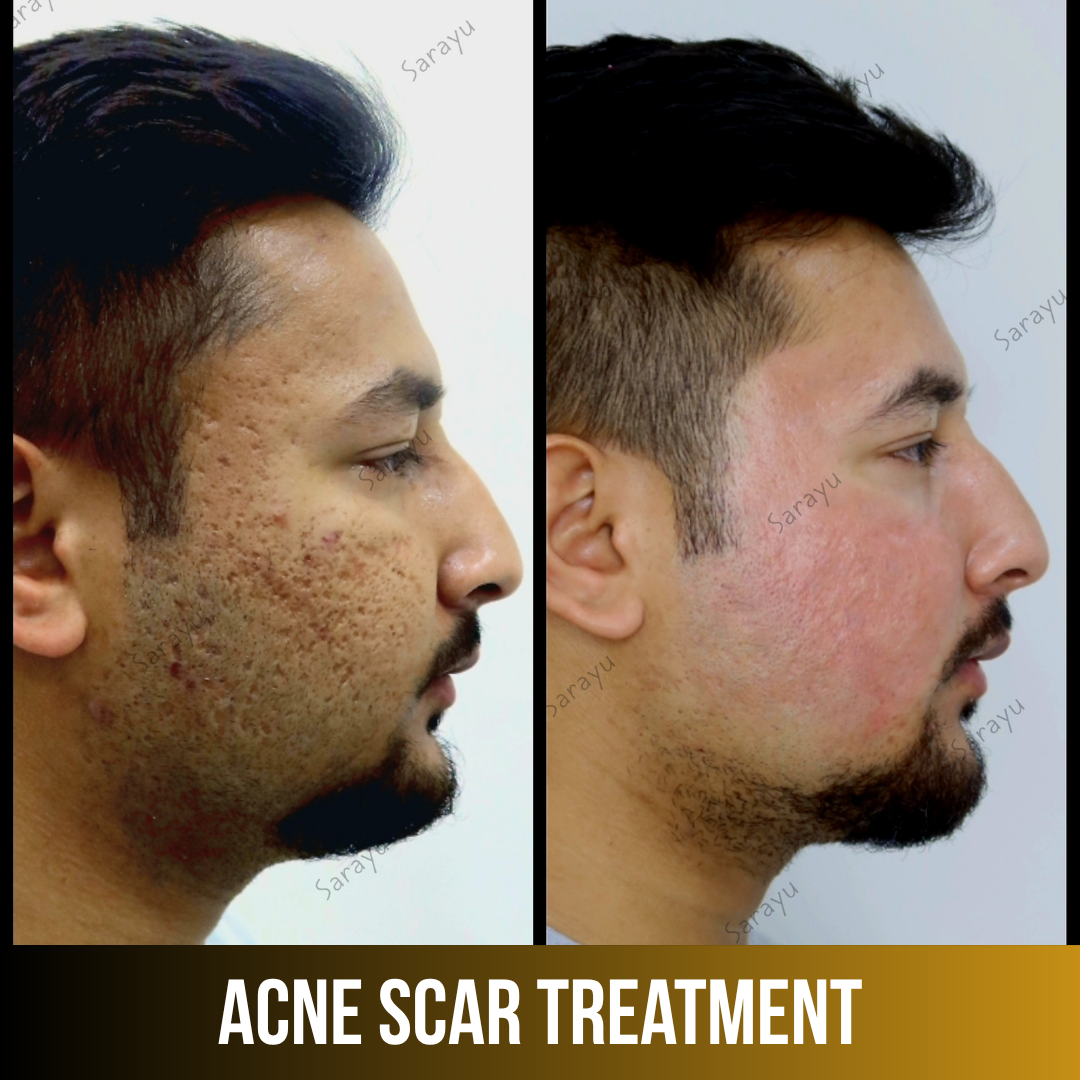
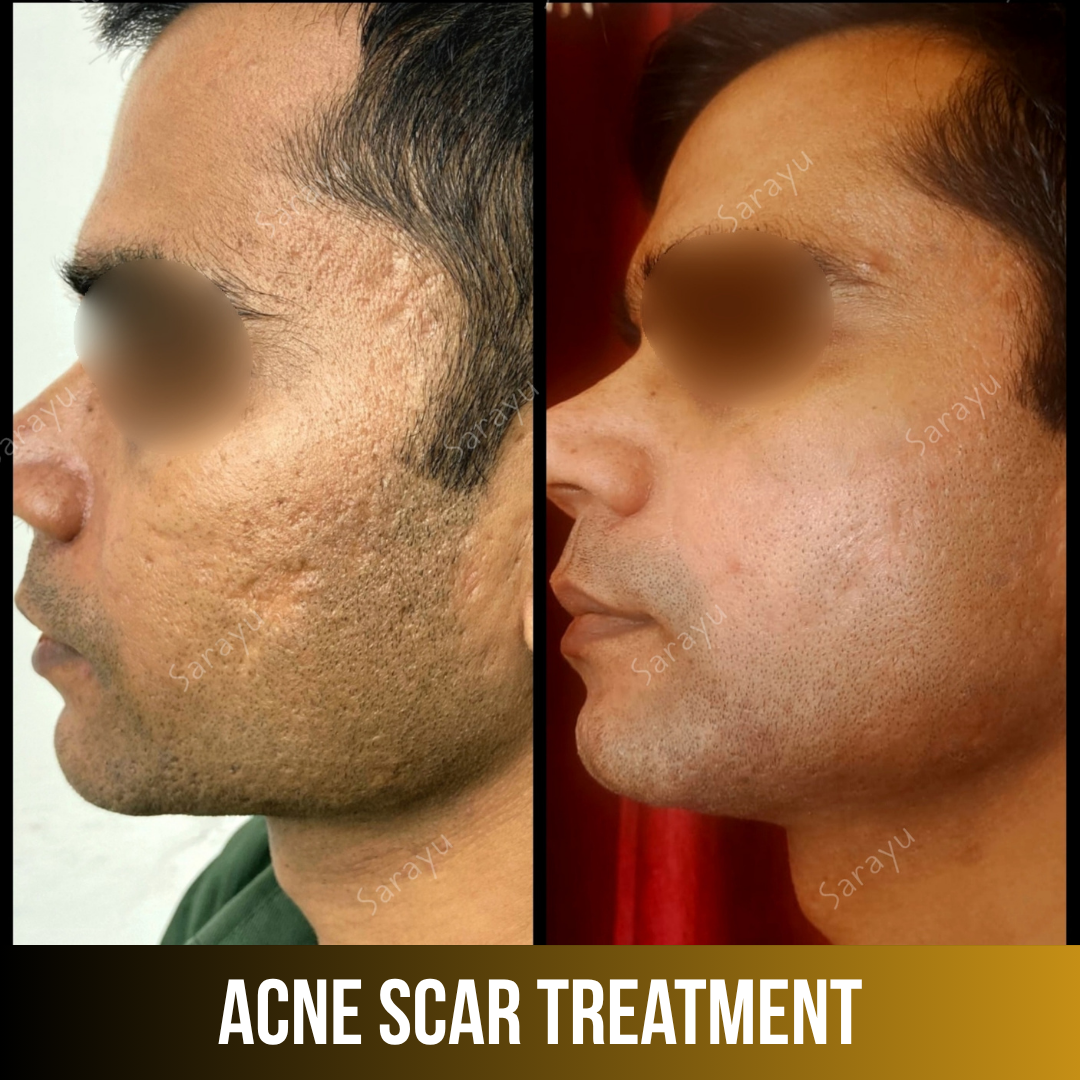
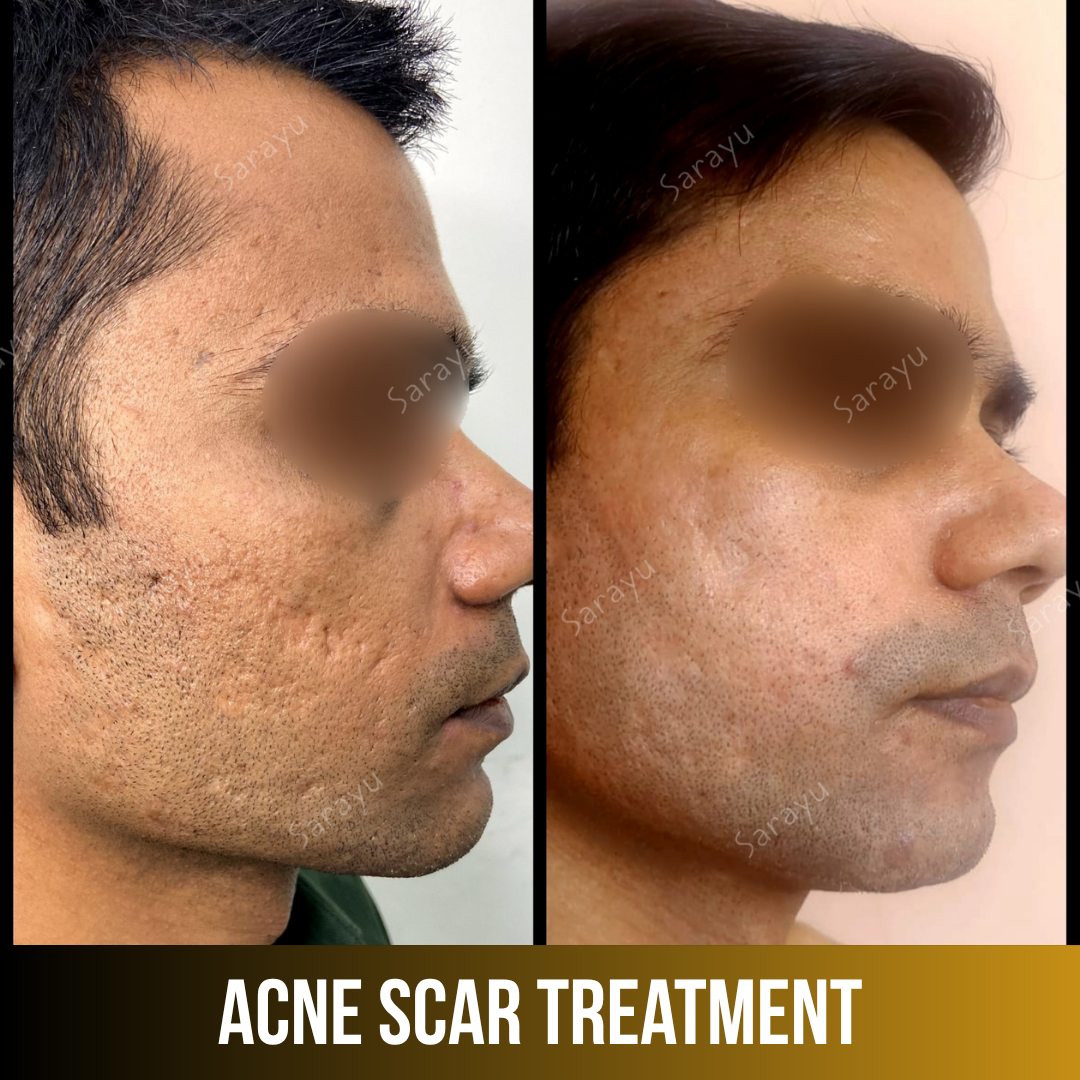
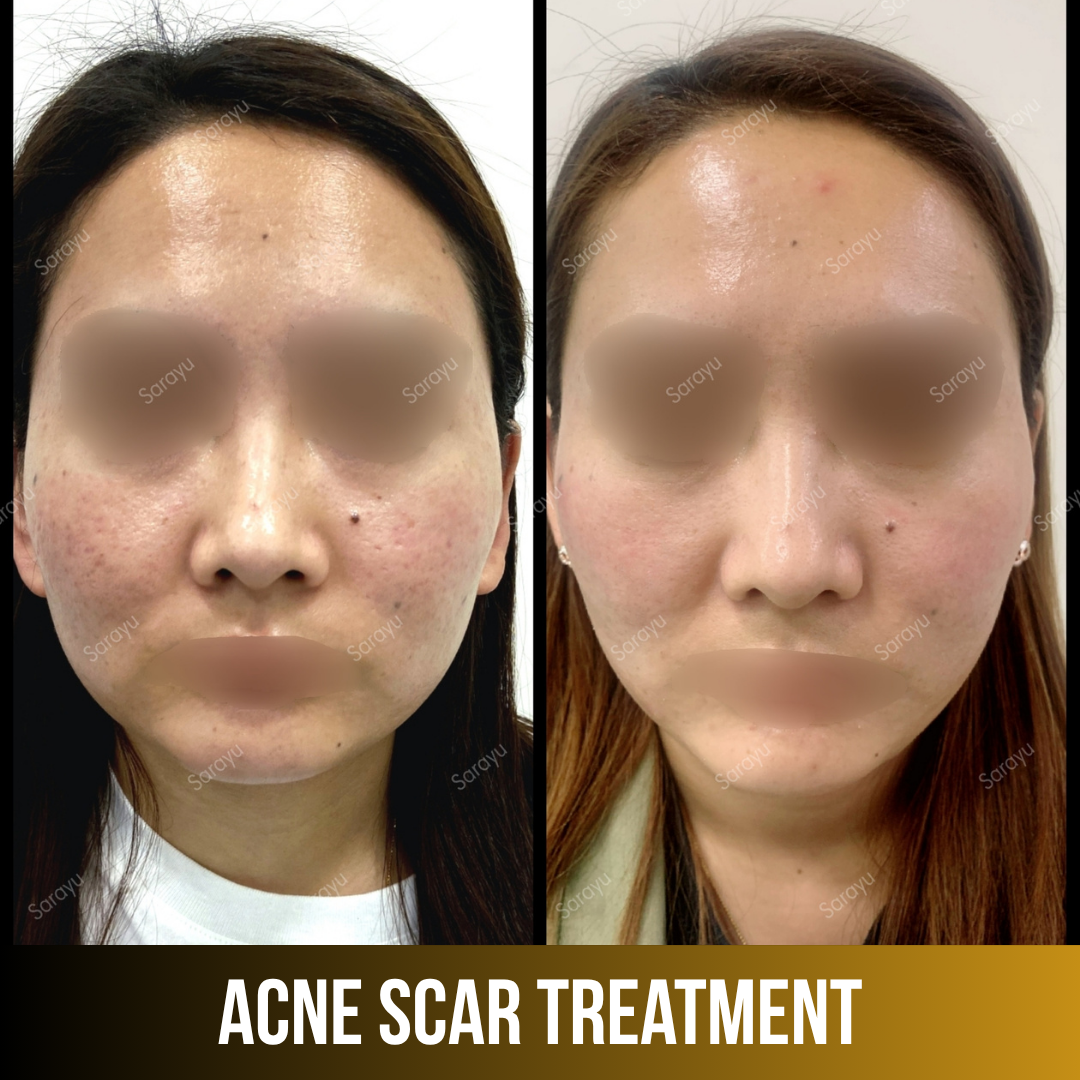
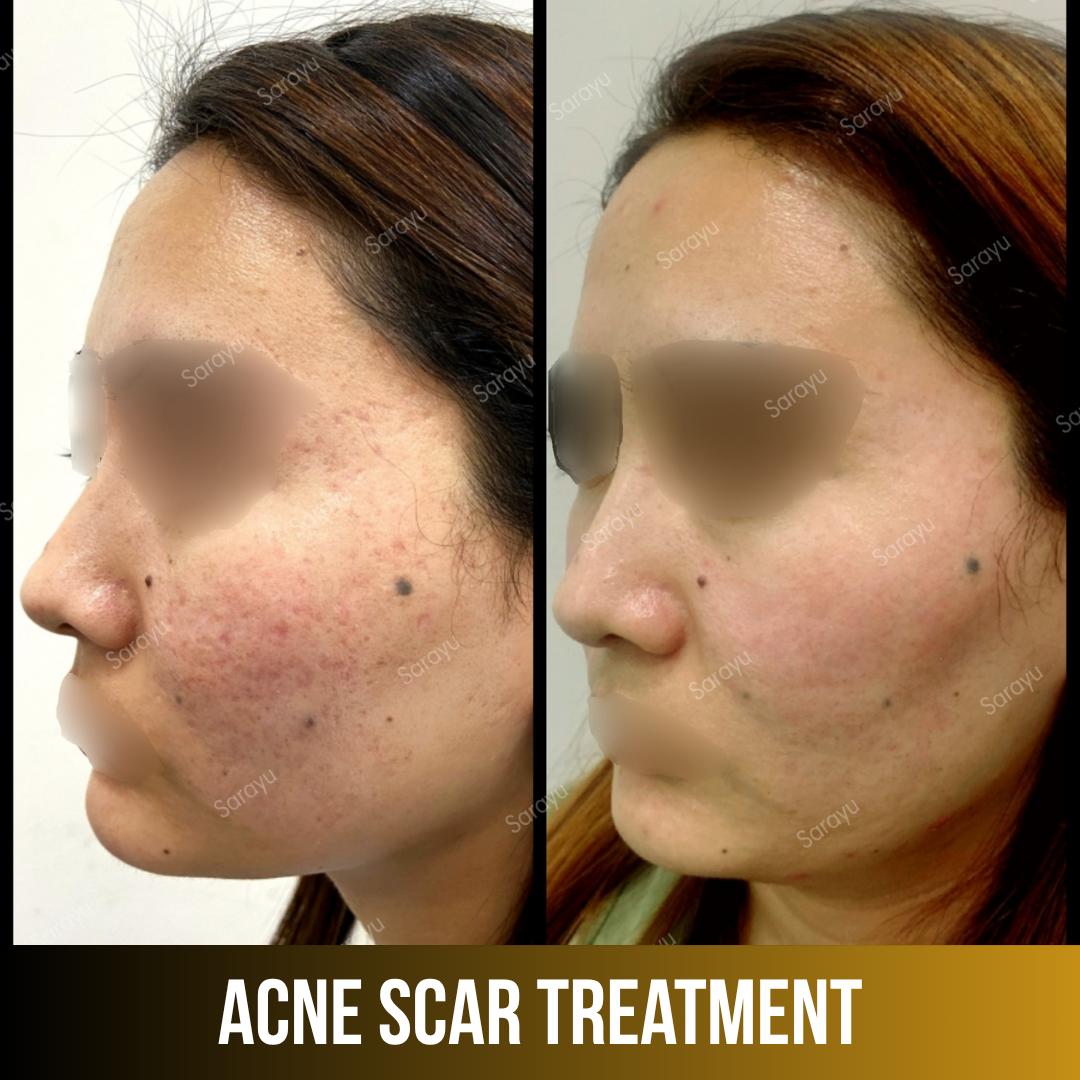
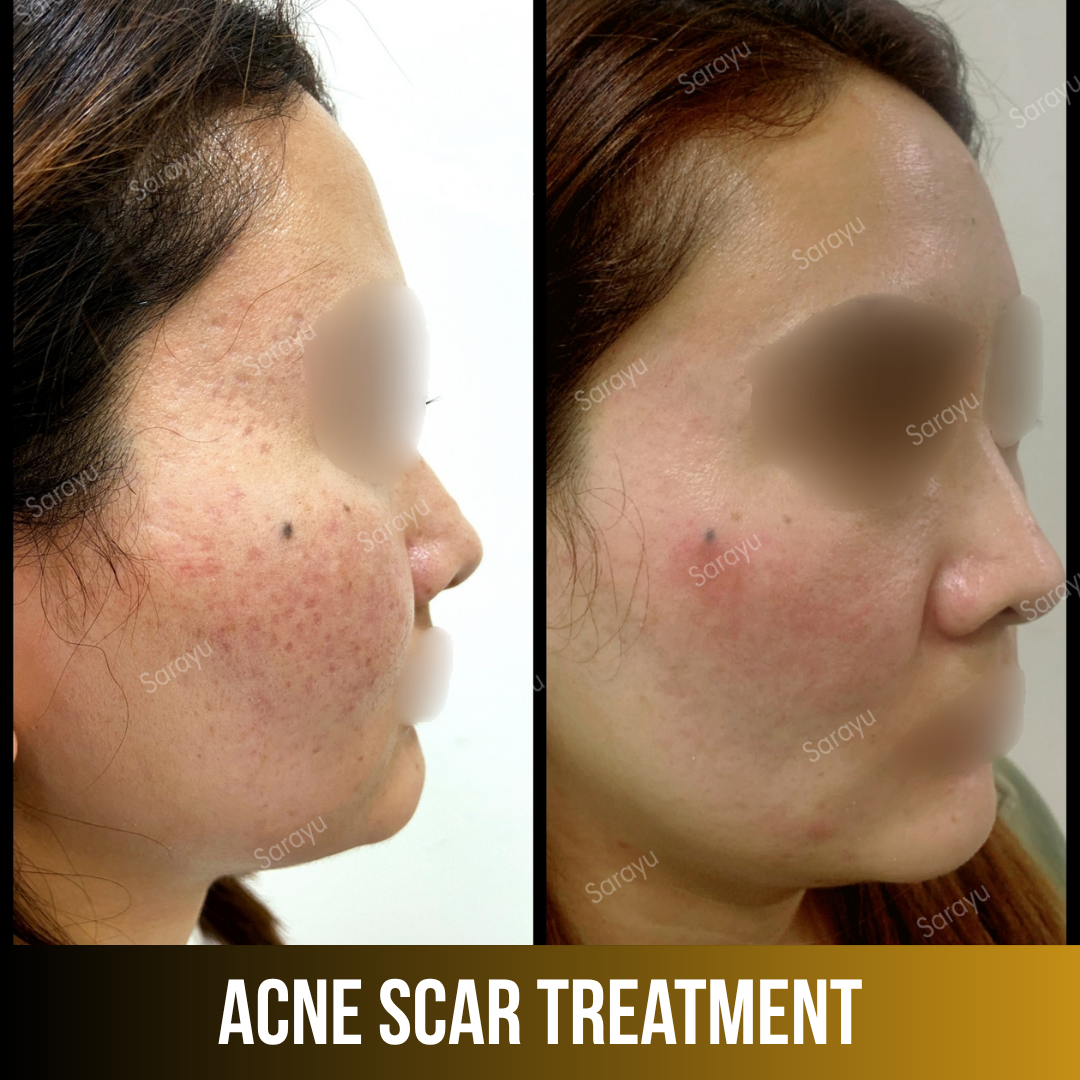
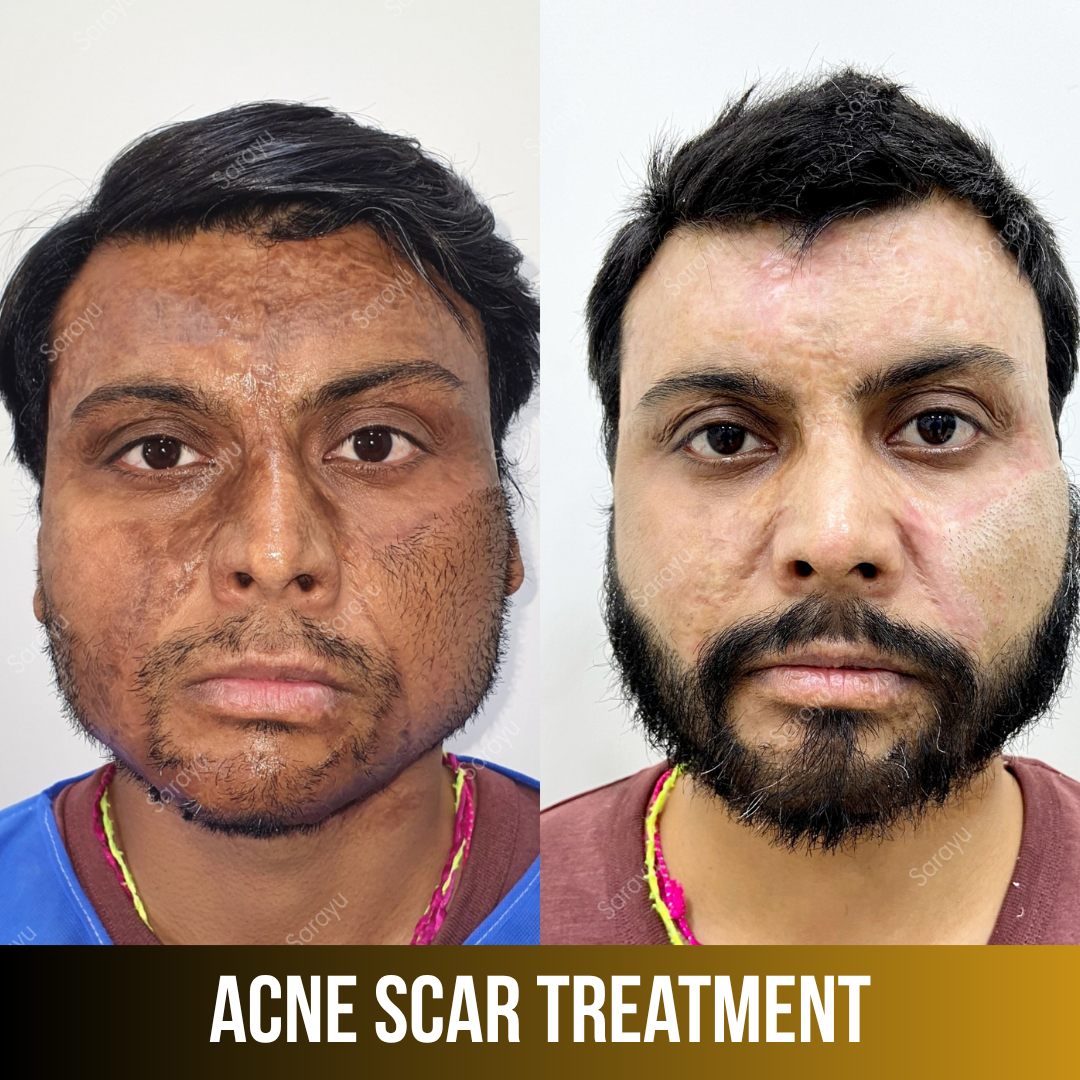
12. Acne scar treatment
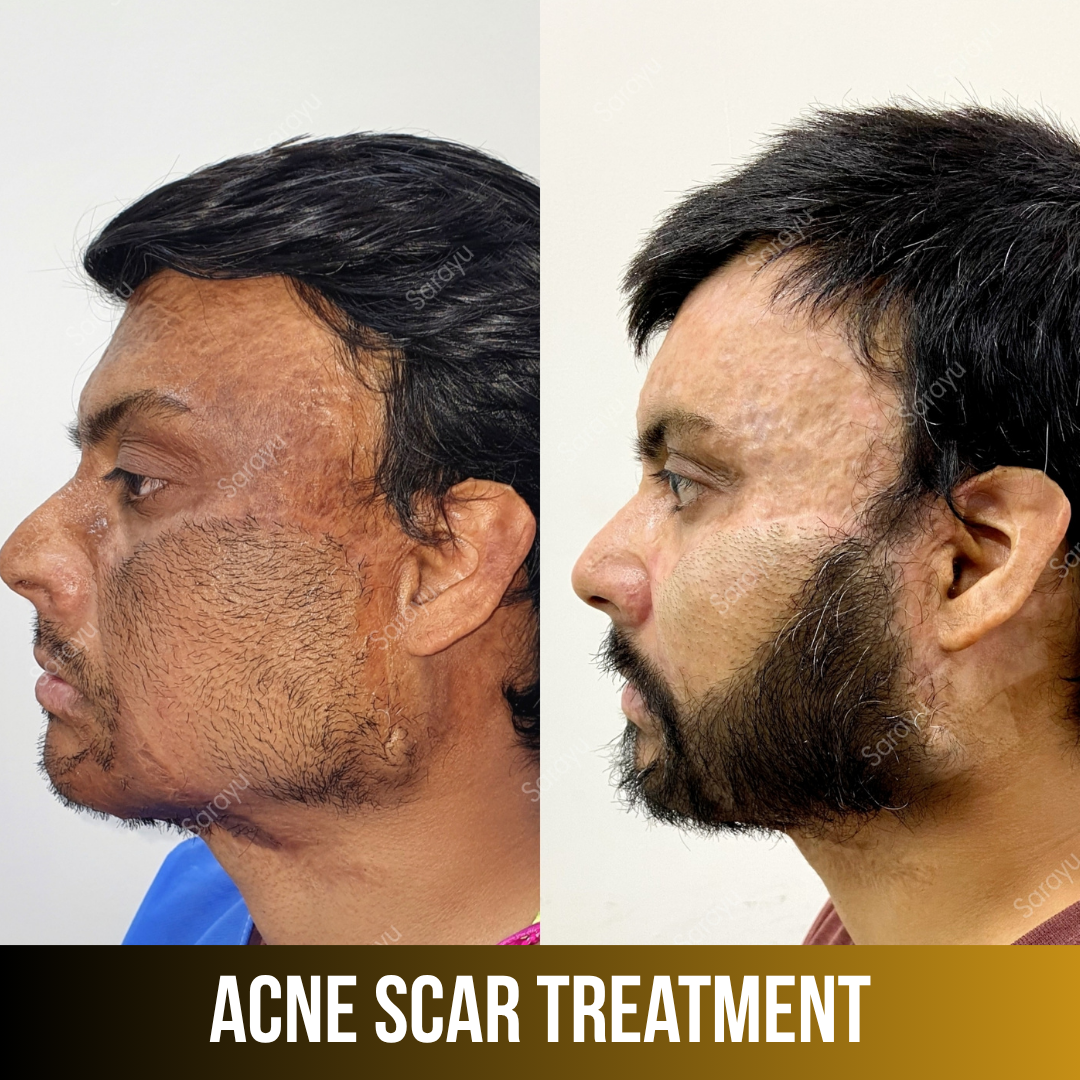
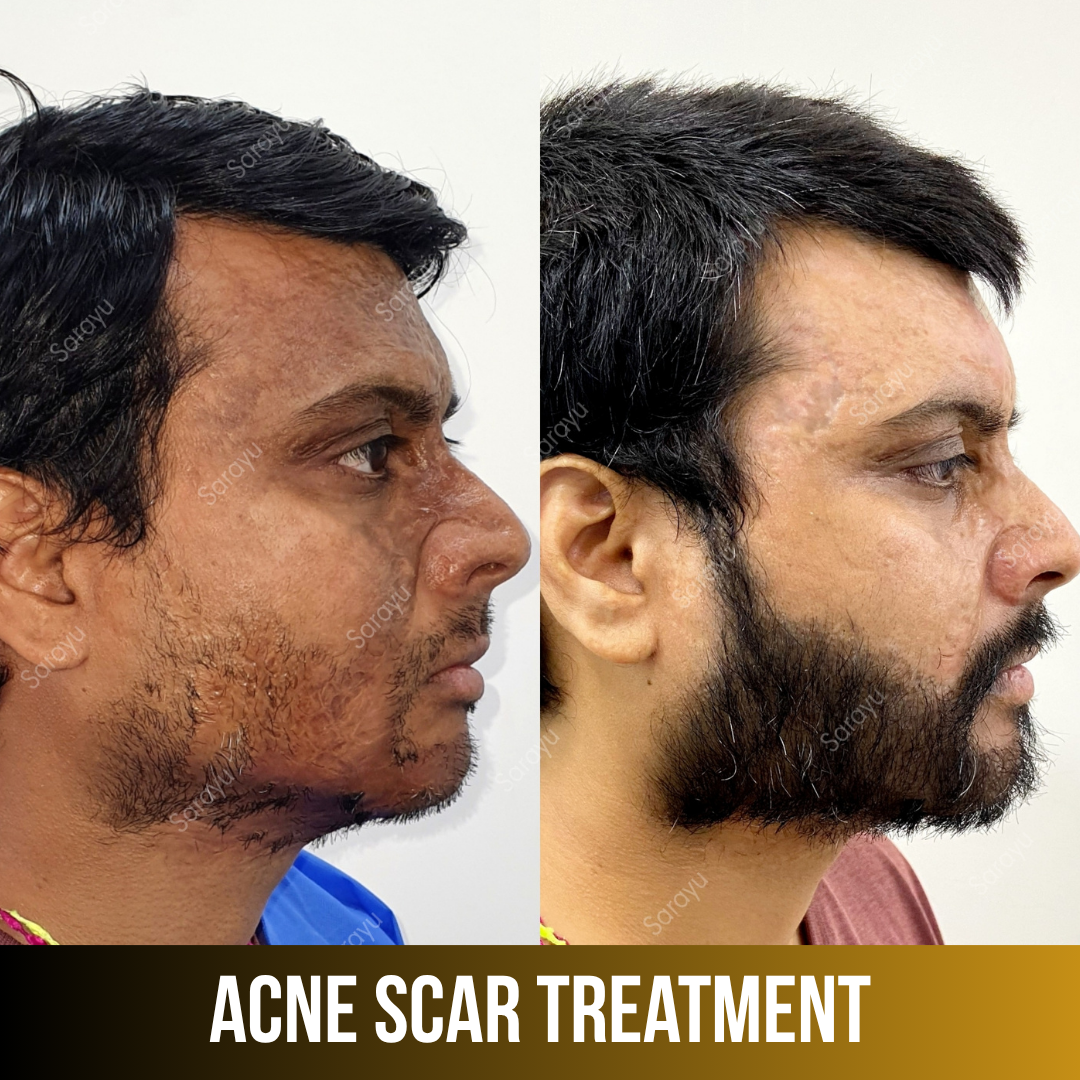
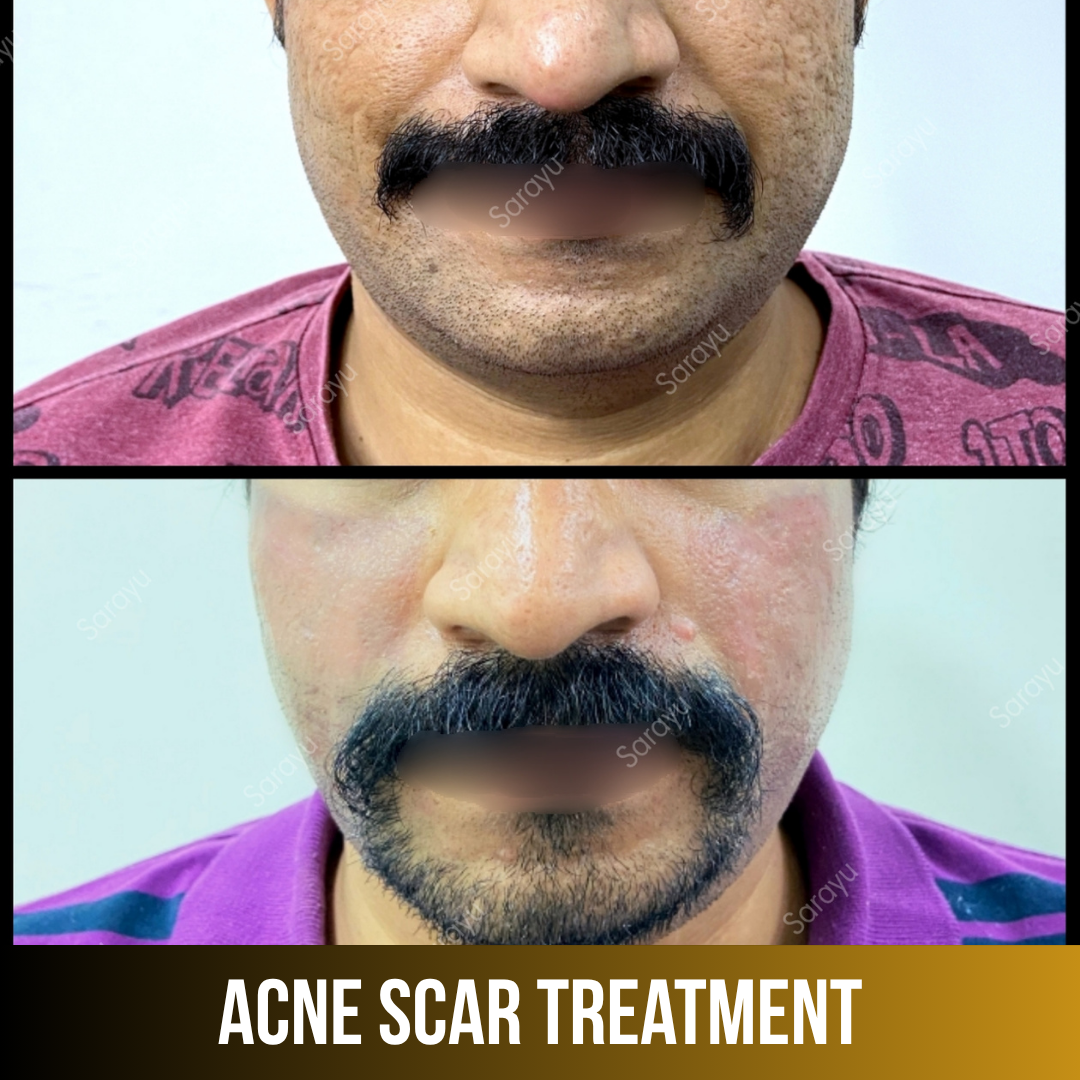
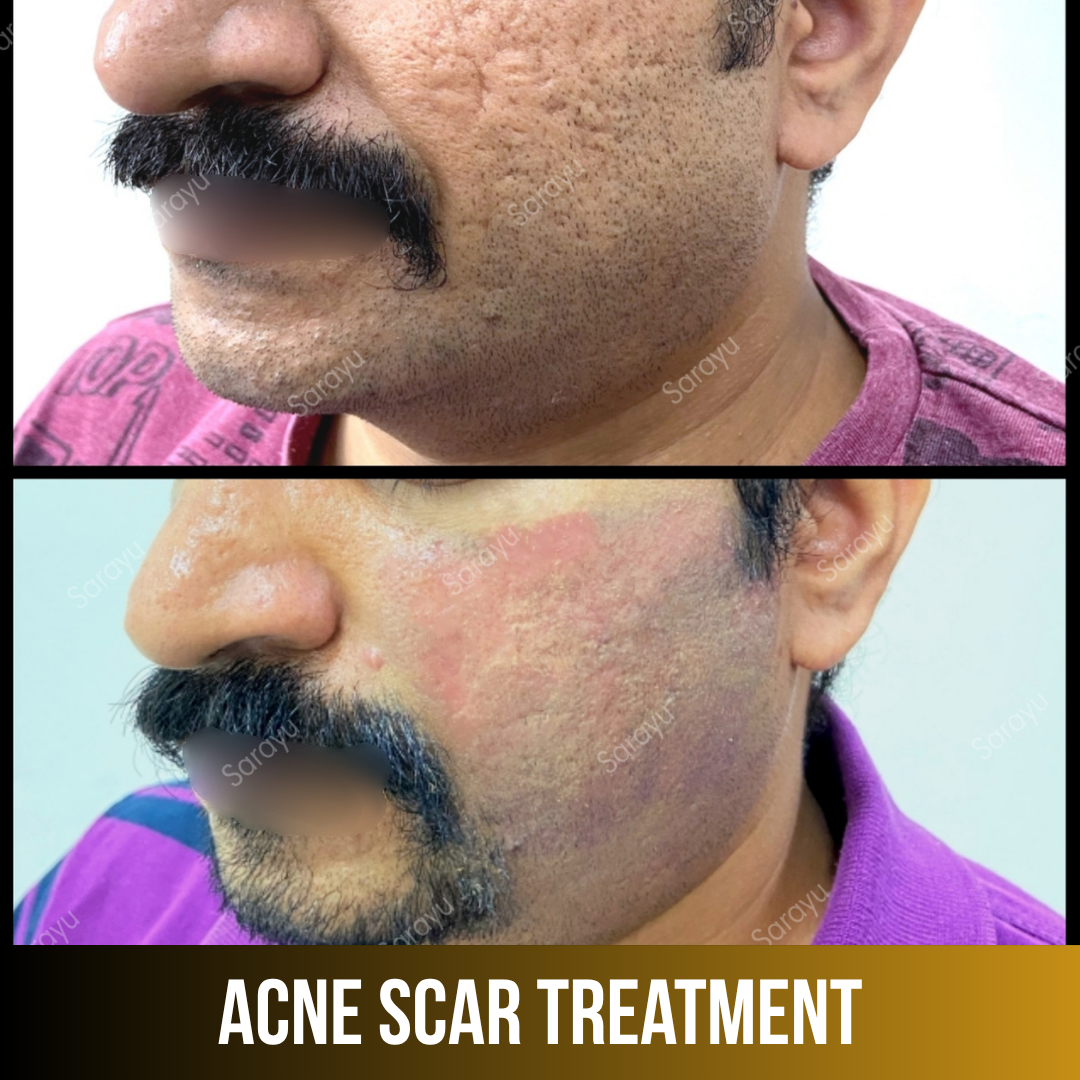
Scar treatment is a separate, sophisticated chapter of its own — subcision, fractional CO2 laser, TCA CROSS, surgical scar revision and combinations. See our dedicated acne scar treatment page for the full picture. We always treat active acne first, then scars.
13. Treatment of post-inflammatory hyperpigmentation (PIH)
The dark marks Indian skin leaves after acne settles often outlast the acne itself. We treat them alongside acne with tranexamic acid, gentle peels, low-fluence laser toning and the same approaches used for melasma.
14. Maintenance phase
Once acne is controlled, a sensible maintenance plan (a topical retinoid most evenings, a non-comedogenic moisturiser, daily broad-spectrum sunscreen) keeps it that way. This is the part most patients drop — and the part that decides whether you stay clear.
An honest note on ‘permanent acne cure’
There isn’t one for most people. Acne is a chronic condition with genetic, hormonal and inflammatory drivers — plans that promise to ‘eliminate acne forever in 6 sessions’ sound great in marketing copy but don’t match the medical reality. What modern dermatology does very well is bring acne under stable, manageable control — and, with isotretinoin in the right cases, can dramatically reset the baseline for years. We’d rather tell you that upfront than over-promise.
What Happens During Your Consultation: Step by Step ?
- History and exam. We map your acne (where, when, how long, what triggers it), review previous treatments, ask about hormones, periods, medications, supplements and your skincare routine.
- Grading and pattern recognition. We grade your acne and identify its dominant type — comedonal, inflammatory, hormonal, mechanical, etc.
- Investigations where needed. For adult women with new or persistent acne, hormonal blood tests and PCOS screening may be advised. For severe acne, baseline blood tests before isotretinoin.
- Honest plan & realistic expectations. We agree the medical plan, any procedures, and a clear timeline. We tell you what will work, how long it will take, and what won’t.
- Skincare reset. We simplify what you’re using to the things that actually help and remove what’s quietly hurting.
- In-clinic procedures when indicated. Peels, comedone extraction, intralesional injections or laser/light — added on top of medical therapy where they add value.
- Follow-up and adjustment. Reviews at 6–8 weeks and onwards. Plans evolve — we titrate medications, switch out what isn’t working, and shift into a maintenance phase once you’re clear.
Downtime & Aftercare :
Most acne treatments are walk-in, walk-out. Here’s what to expect from the main procedures:
- Topicals: no downtime; mild dryness, flaking or initial ‘purging’ in the first 2–4 weeks (often mistaken for the treatment ‘making it worse’; it isn’t — it’s the skin clearing).
- Chemical peels: mild tingling, very light flaking for 2–3 days; sun sensitivity for a week.
- Comedone extraction: brief redness or pinpoint spots for a few hours.
- Intralesional injection: a tiny pinprick; the lump flattens over 24–48 hours.
- Light or laser sessions: mild redness and warmth that settles quickly.
Aftercare basics:
- Use a gentle, non-comedogenic cleanser and a lightweight, oil-free moisturiser
- Broad-spectrum SPF 30+ every morning — essential during acne treatment (retinoids and peels increase sun sensitivity, and sun makes PIH worse)
- Don’t pick or squeeze — this is the single biggest preventable cause of scarring
- Avoid layering too many actives; follow the prescribed routine and add nothing on your own
- Be patient through the first 6–8 weeks — most treatments take this long to show their effect
Are You a Good Candidate?
You’re likely a good candidate if you have:
- Acne of any grade that bothers you, or is leaving dark marks or scars
- Recurring breakouts that haven’t responded to over-the-counter products
- Hormonal acne patterns (jawline, chin, cyclical)
- Adult-onset acne or persistent acne into your 20s, 30s or 40s
- Mask, helmet or other mechanical acne patterns
- Realistic expectations — clear, controlled skin, with maintenance
Some treatments need extra care if you have:
- Pregnancy or breastfeeding (many topicals and oral medications are deferred; isotretinoin is strictly avoided)
- A history of inflammatory bowel disease or significant liver issues (relevant for some oral medications)
- Severe depression or mood disorders (relevant in isotretinoin counselling)
- Bleeding/clotting disorders or strong blood thinners (relevant for procedures)
- Active skin infection or open wounds in the treatment area
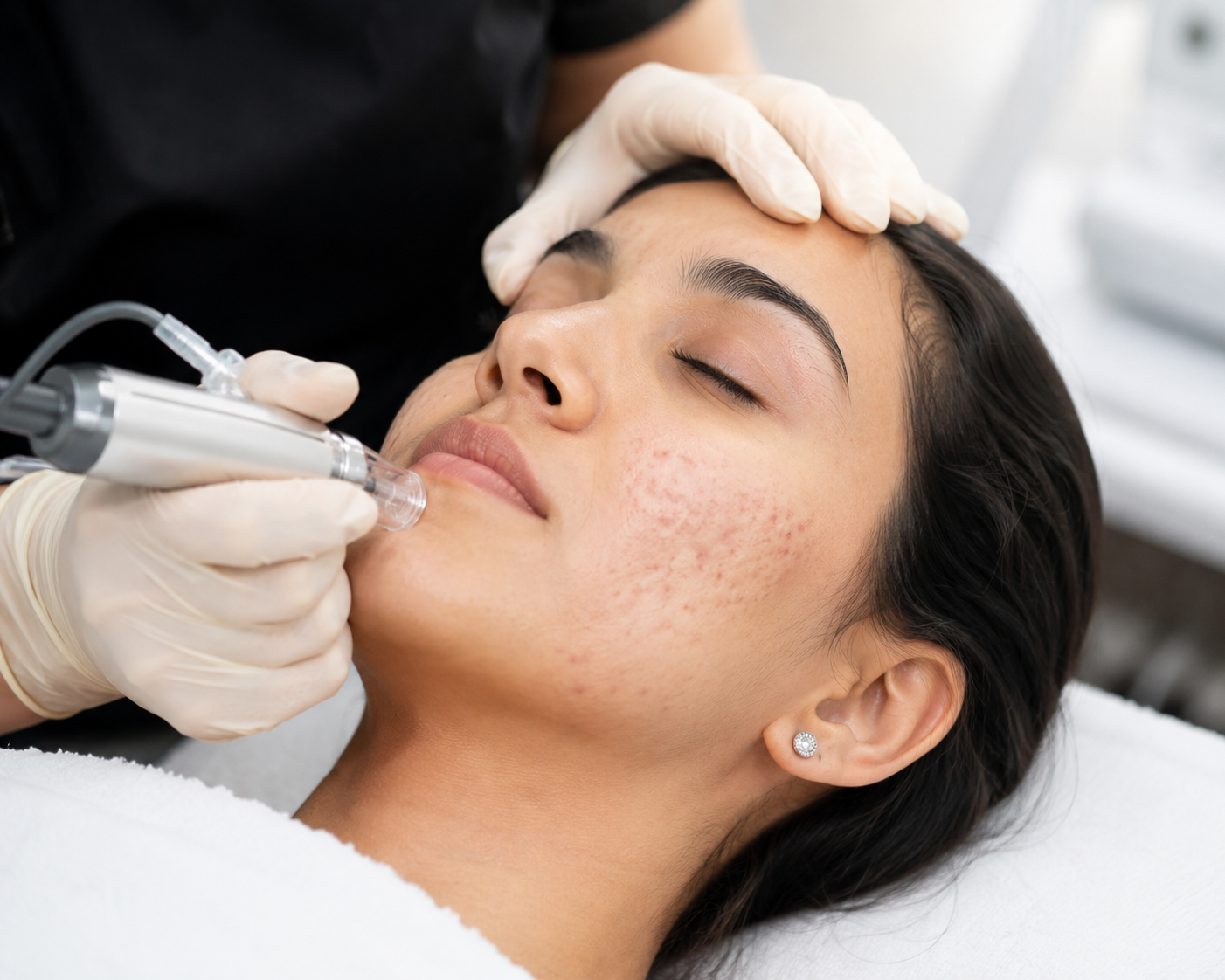
Acne Treatment Cost in Delhi
Acne treatment is priced as a course of care rather than a one-off, because acne itself behaves as a chronic condition. As a general guide for Delhi:
Treatment | Typical cost (INR)* |
Consultation & grading | INR 2,500 – INR 5,000 |
Prescription topicals | Product cost; reviewed at follow-ups |
Short oral antibiotic / hormonal course | Drug cost; consultation-based |
Isotretinoin course (with monitoring) | Drug cost + periodic blood tests; quoted at consultation |
Chemical peel | ₹2,500 – ₹6,000 per session |
Comedone extraction | ₹1,000 – ₹3,000 per session |
Intralesional cyst injection | ₹500 – ₹2,000 per cyst |
Hollywood Spectra / carbon peel | ₹4,000 – ₹10,000 per session |
Microneedling (with serum) | ₹3,000 – ₹8,000 per session |
Laser / light therapy | ₹5,000 – ₹15,000 per session |
Full course (3–6 months, combination) | ₹15,000 – ₹1,00,000+ depending on severity |
Prices shown are for guidance only. Your final treatment cost will be confirmed during the initial consultation, based on your individual needs, concerns, and personalised treatment plan.
Results Timeline: When Will You See a Difference?
Acne treatment is a months-long process — anyone promising clear skin in two weeks is overselling. A realistic timeline:
Timeframe | What usually happens |
Week 1–2 | Often a brief ‘purging’ phase as topicals push clogged pores to the surface. Skin may look worse before better. |
Week 4–6 | Reduction in new breakouts begins; existing spots heal faster. |
Month 2–3 | Clear improvement in active acne; dark marks start fading. |
Month 3–6 | Most patients reach their target — stable, controlled skin. |
Month 4–6+ | Isotretinoin courses (when used) reach completion; long-term remission possible. |
Maintenance | Ongoing topical retinoid and SPF keep results stable. |
Patience pays. Rushing acne treatment by adding stronger products on your own usually backfires — irritated skin breaks out more, not less.
Comparing Acne Treatments at a Glance
Where each option fits. Most real plans combine several of these.
Treatment | Best for | Time to result | Notes |
Topicals (retinoid + BPO) | Mild-moderate; maintenance | 6–12 weeks | Foundational; almost always part of the plan |
Oral antibiotics (short course) | Moderate inflammatory | 4–12 weeks | Anti-inflammatory effect; not long-term |
Hormonal therapy | Hormonal / adult female | 8–16 weeks | Treats the cause for hormonal patterns |
Isotretinoin | Severe, cystic, scarring | Course = 5–8 months | Most powerful; long-term remission possible |
Chemical peels | Adjunct; PIH; comedones | Per session | Cumulative; pairs well with topicals |
Light / laser therapy | Adjunct; bacteria, inflammation | Per session | Helpful add-on, not stand-alone cure |
Cortisone injection | Single painful cyst | 24–48 hours | Quick fix; not a long-term solution |
Why Choose Sarayu Clinics for Acne Treatment in Delhi ?
Acne is one of the easiest conditions to over-treat with the wrong tool and under-treat with the right one. Treatment at Sarayu Clinics is led by facial plastic and maxillofacial surgeon Dr. Adarsh Tripathi, alongside co-founder Dr. Nidhi Bhatia.
- Medical first, procedural second. We don’t default to selling laser packages. Topicals, oral therapy and isotretinoin where indicated do most of the heavy lifting; procedures add value where they make sense.
- Honest about isotretinoin. If severe cystic acne is scarring your skin, isotretinoin is what works — and we’ll say so plainly rather than keep you on lighter options indefinitely.
- PIH-aware for Indian skin. We treat the acne and the dark marks it leaves behind in parallel — because in Indian skin, PIH is often the longer-lasting problem.
- Surgeon-led options for severe cases. Intralesional injections, surgical drainage of large cysts and later scar revision are all in-house.
- Personalised plans, not one-size protocols. Hormonal acne in your 30s isn’t teenage acne. Mask acne isn’t cystic acne. Your plan is built around your acne.
- Honest expectations and transparent pricing. Clear, controlled skin — not exaggerated ‘permanent cure’ promises.
Frequently Asked Questions :
Can acne be permanently cured?
Acne is a chronic condition with genetic, hormonal and inflammatory drivers, so a single course rarely ‘cures it forever.’ What modern dermatology does very well is bring acne under stable, manageable control. Isotretinoin (in severe cases) can shift the baseline for years, sometimes permanently. For most other patients, the goal is control plus a simple maintenance routine to keep results stable.
What is the best treatment for acne?
There is no single best — the right treatment depends on your severity grade and the dominant type. Mild comedonal acne usually responds to topicals. Moderate inflammatory acne needs combination topical/oral therapy. Severe cystic acne typically needs isotretinoin. Hormonal acne in women may need hormonal therapy alongside topicals. Procedures (peels, laser) are useful add-ons, not standalone answers.
When should I consider isotretinoin?
Isotretinoin is the gold-standard treatment when acne is severe, nodulocystic, leaving scars or dark marks despite other treatments, or has resisted a proper course of topical and oral therapy. It requires careful supervision and blood-test monitoring, and pregnancy must be strictly avoided during and shortly after the course. Used properly, it can produce long-term remission.
How long does acne treatment take to work?
Most treatments take 6–8 weeks to show meaningful change, with the best results often by month 3–4. Isotretinoin courses typically run 5–8 months. Procedures (peels, laser) show step-wise improvement after each session. Patience is genuinely part of the treatment.
Is acne treatment safe for Indian skin?
Yes, with the right protocols. The biggest Indian-skin concern is post-inflammatory hyperpigmentation (PIH) — the dark marks acne leaves behind. We treat acne aggressively enough to control inflammation quickly and address PIH in parallel to prevent it lasting longer than the acne.
Does diet really affect acne?
Some, in some people. The evidence-based answer: high-glycaemic-load foods (sugar, refined carbs, sweetened drinks) and possibly skim milk and whey protein supplements can worsen acne. Chocolate alone is unfairly blamed. Diet is a contributor for most patients, not the cause — fixing the diet rarely fixes the acne on its own.
Medical Review & Trusted Sources
The information on this page is intended for educational purposes only and should not be considered a substitute for a professional medical consultation, diagnosis, or treatment.
This content has been medically reviewed by the clinical team at Sarayu Clinics under the guidance of Dr. Adarsh Tripathi to help ensure its medical accuracy and relevance. Our recommendations are based on current dermatology best practices and evidence-based clinical guidelines.
Trusted Medical References
American Academy of Dermatology (AAD) – Acne: Causes, symptoms, and treatment guidance
DermNet – Comprehensive clinical information on Acne Vulgaris
Mayo Clinic – Evidence-based overview of acne, diagnosis, and treatment options
How to Reach Us:
Phone: +91 9289111081 , +91 9289111082
Email: sarayuinquiries@gmail.com
Sarayu Clinics website: www.sarayuclinics.com
Facebook: https://www.facebook.com/sarayuclinic
Instagram: https://www.instagram.com/sarayuclinics/
Dr. Adarsh Tripathi’s profile: https://dradarshtripathi.com/
Online Booking: Visit our website https://sarayuclinics.com/contact-us/ to schedule appointments conveniently.
Can I do acne treatment during pregnancy?
Many acne treatments are deferred during pregnancy and breastfeeding — isotretinoin is strictly avoided; oral antibiotics like doxycycline aren’t used; topical retinoids and salicylic acid in higher concentrations are avoided. Safe options remain, including specific topicals, gentle peels, and many lifestyle and skincare adjustments. We tailor the plan around your stage.
How much does acne treatment cost in Delhi?
A simple mild-acne plan with topicals and a couple of peels can run ₹5,000–₹15,000 over a few months. Moderate combination plans typically run ₹15,000–₹50,000. Severe acne plans involving isotretinoin and procedures, plus parallel PIH or scar work, can reach ₹1,00,000 or more across a 6–12 month course. Your exact plan is itemised after assessment.
Is squeezing pimples ever okay?
Honestly, almost never. Squeezing forces inflammation deeper, prolongs healing, and is the single most preventable cause of acne scarring. In-clinic comedone extraction with a sterile tool is different and is safe.
Why do I still get acne in my 30s?
Adult acne is real and increasingly common. It’s usually a mix of hormones (cycle changes, perimenopause, contraceptive shifts, PCOS), stress, skincare and genetics. The pattern often shifts to the jawline and chin. The treatment plan is different from teenage acne and should be tailored — a hormonal workup is often worth doing.

Our Patients