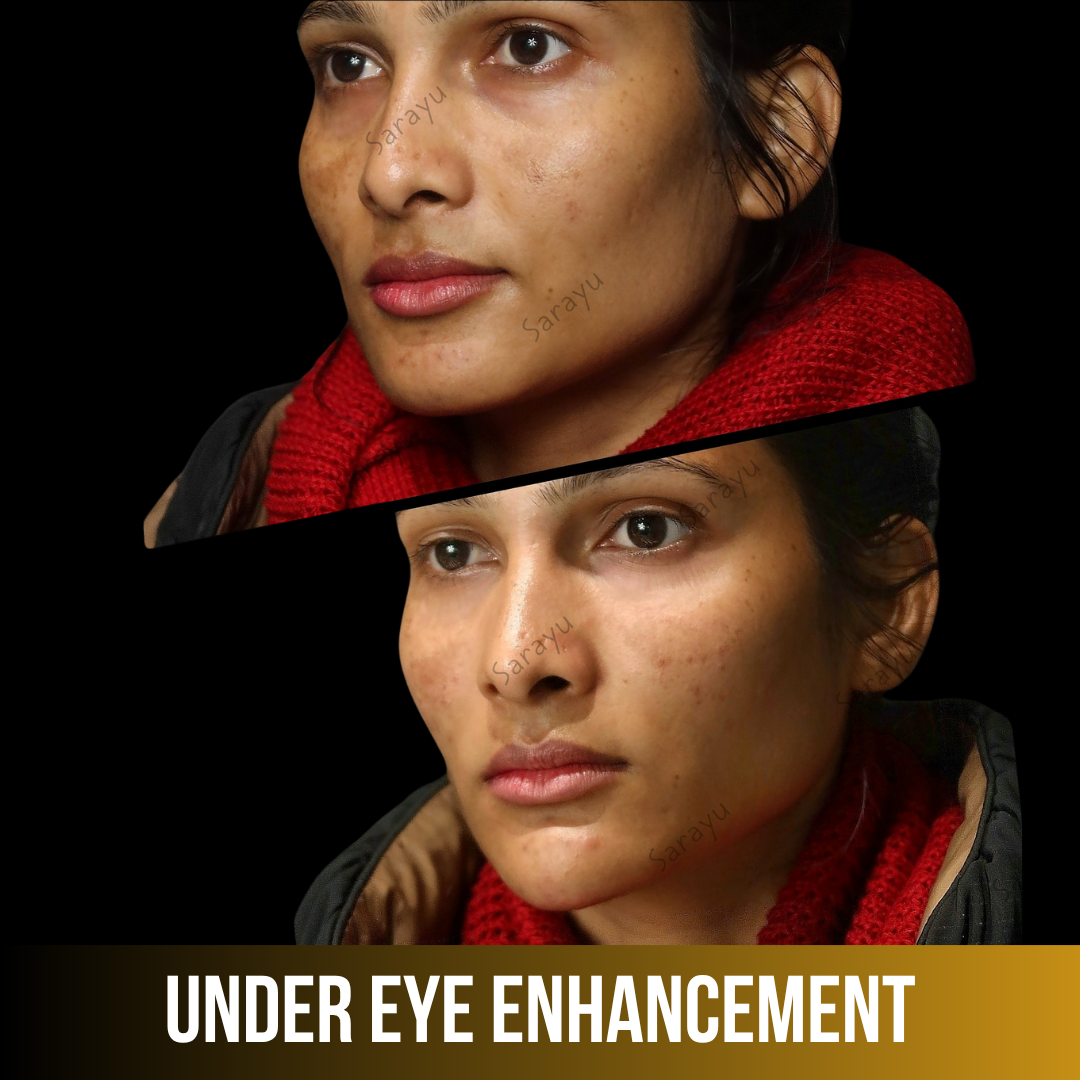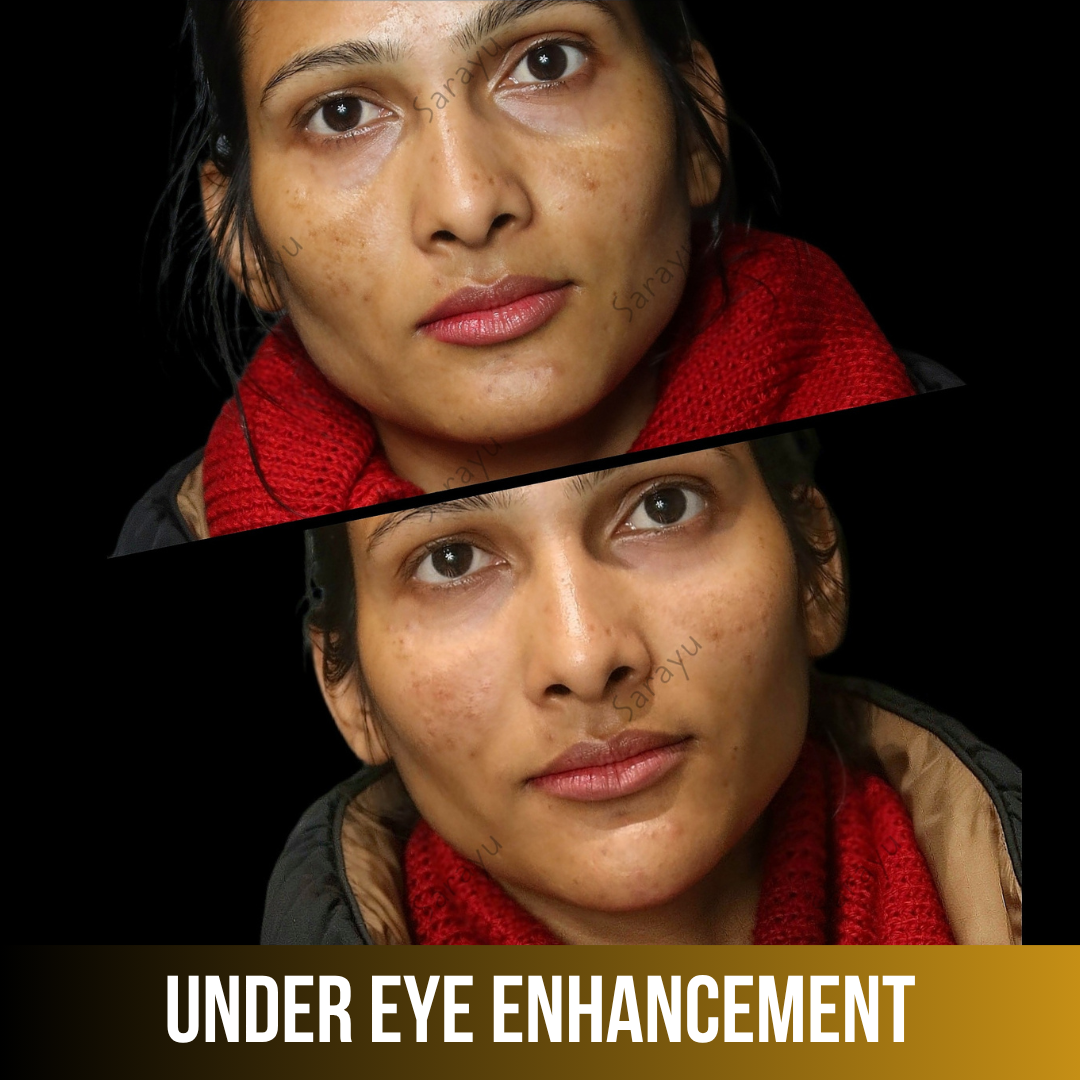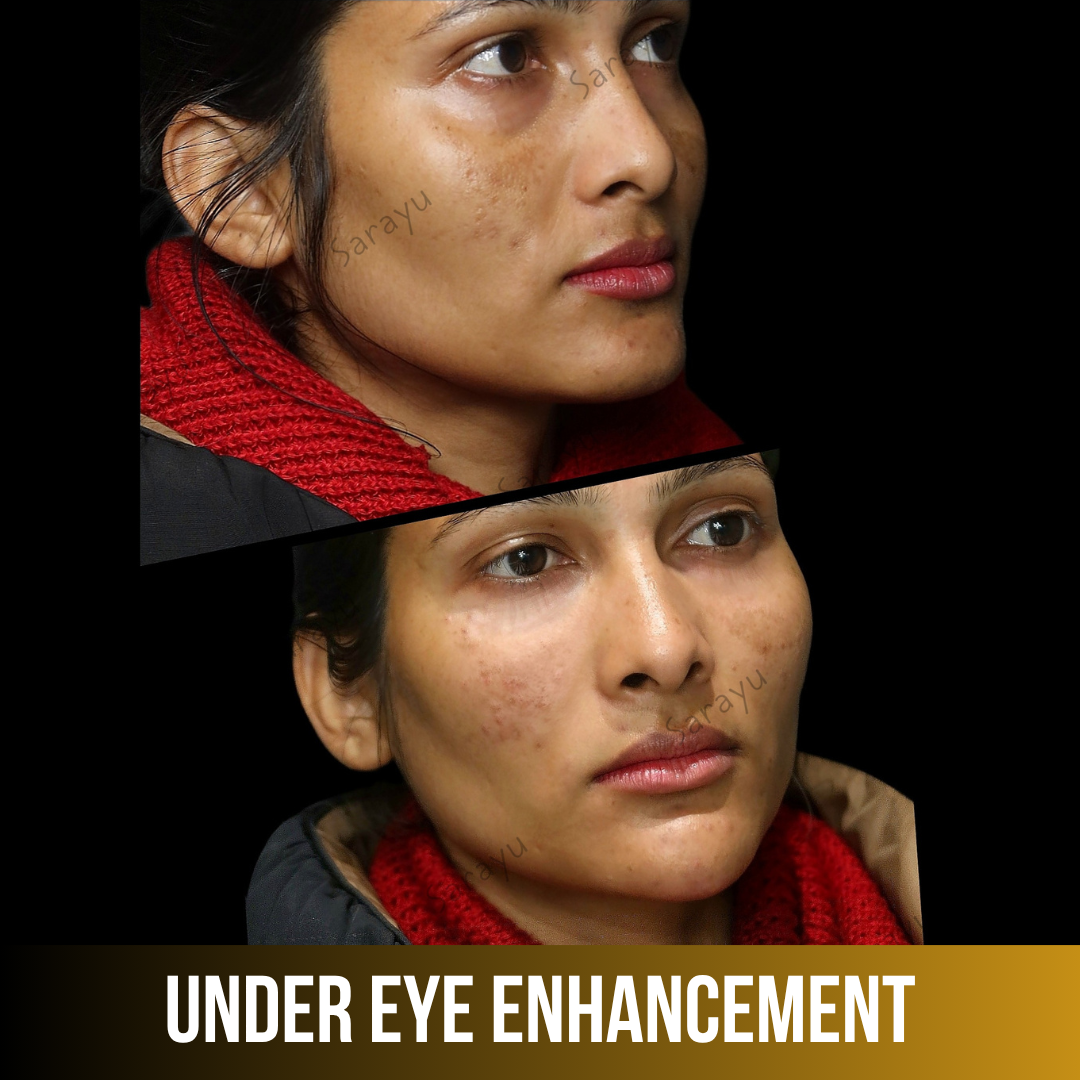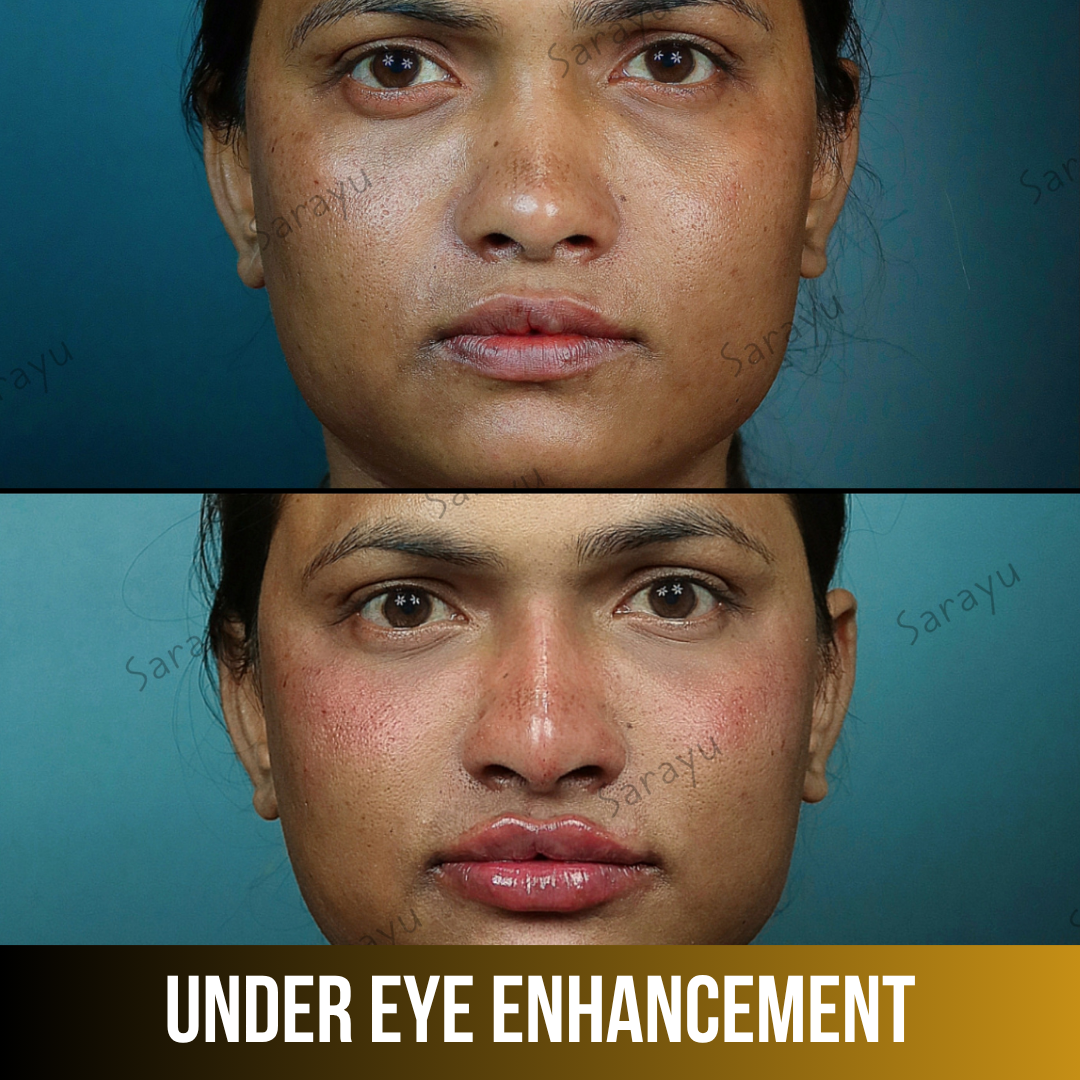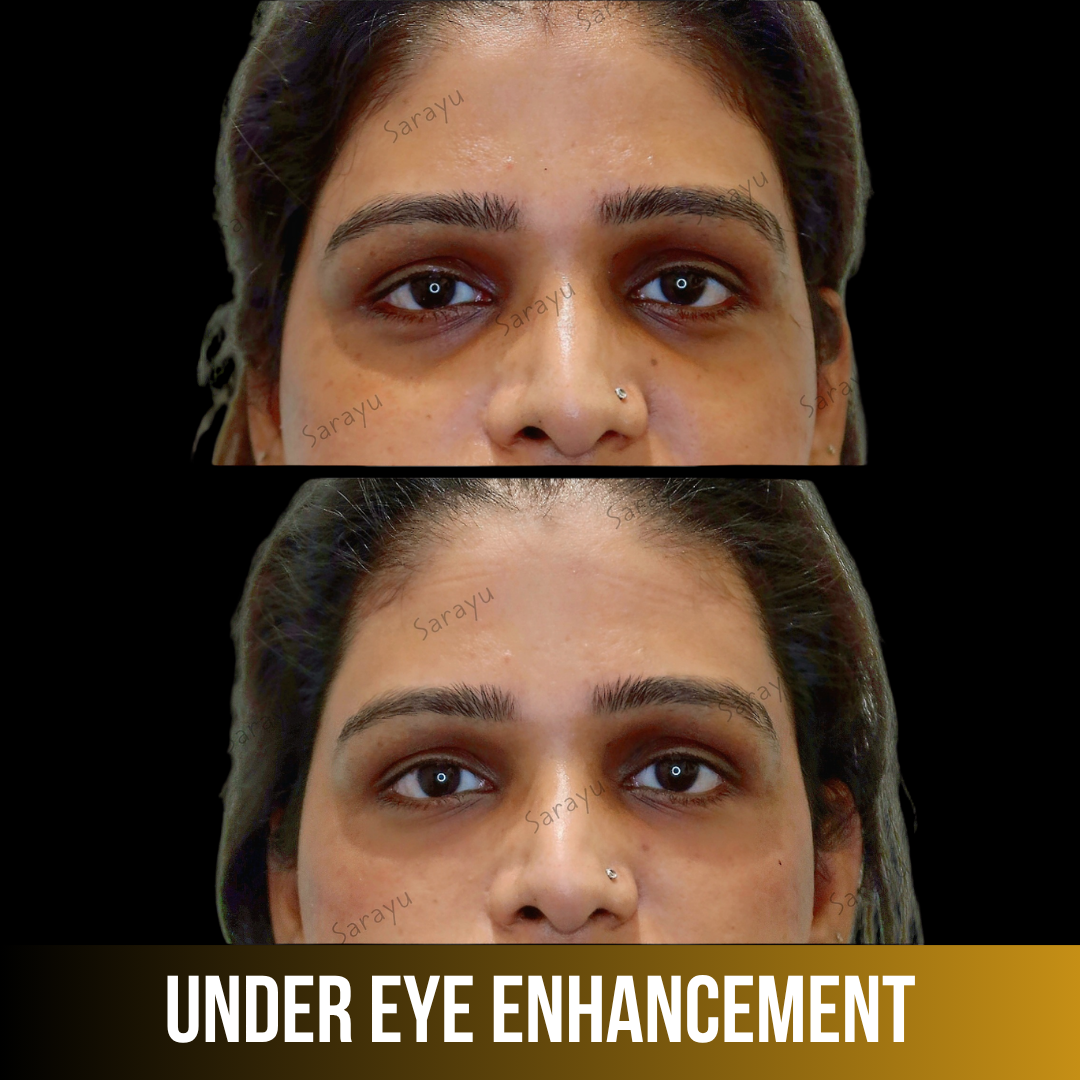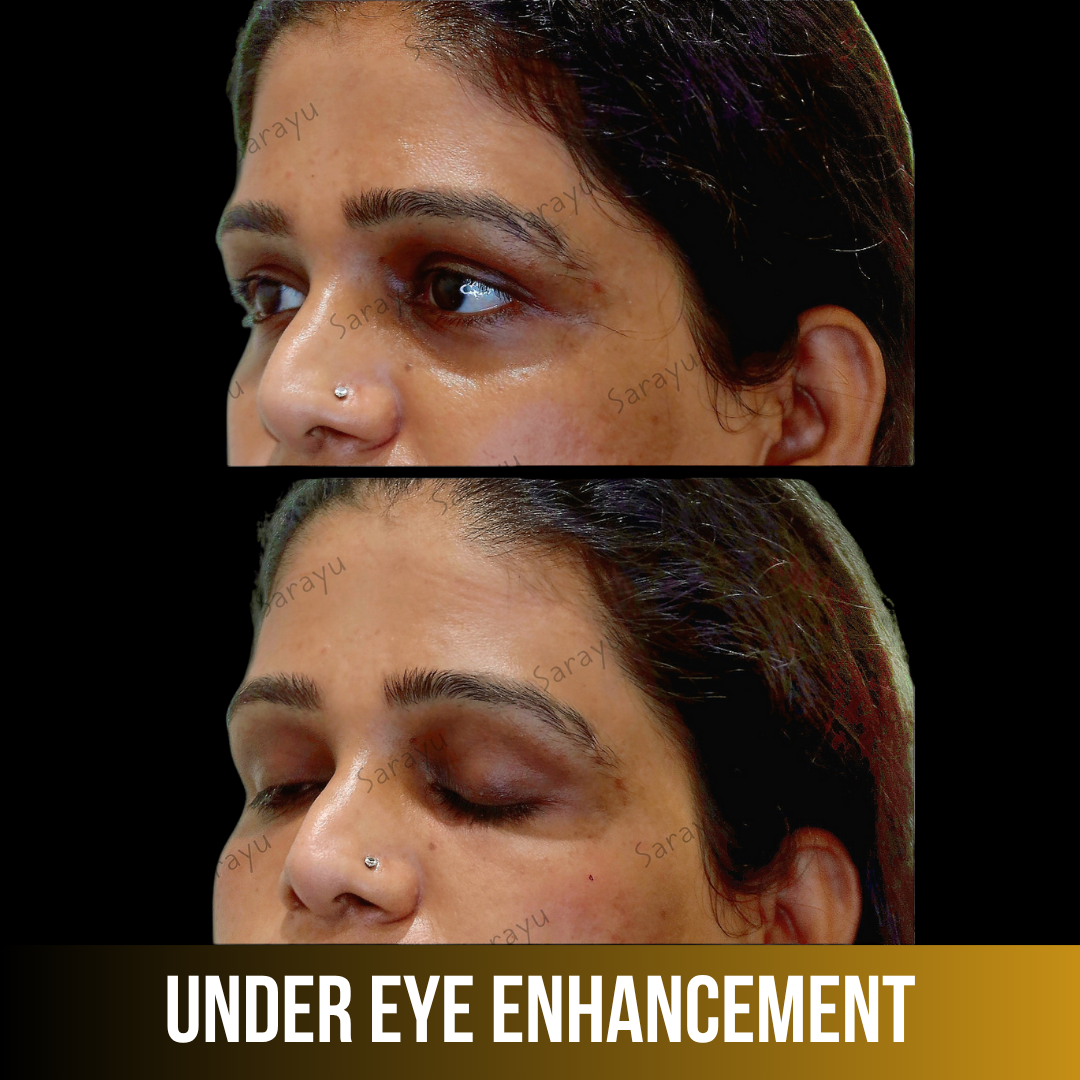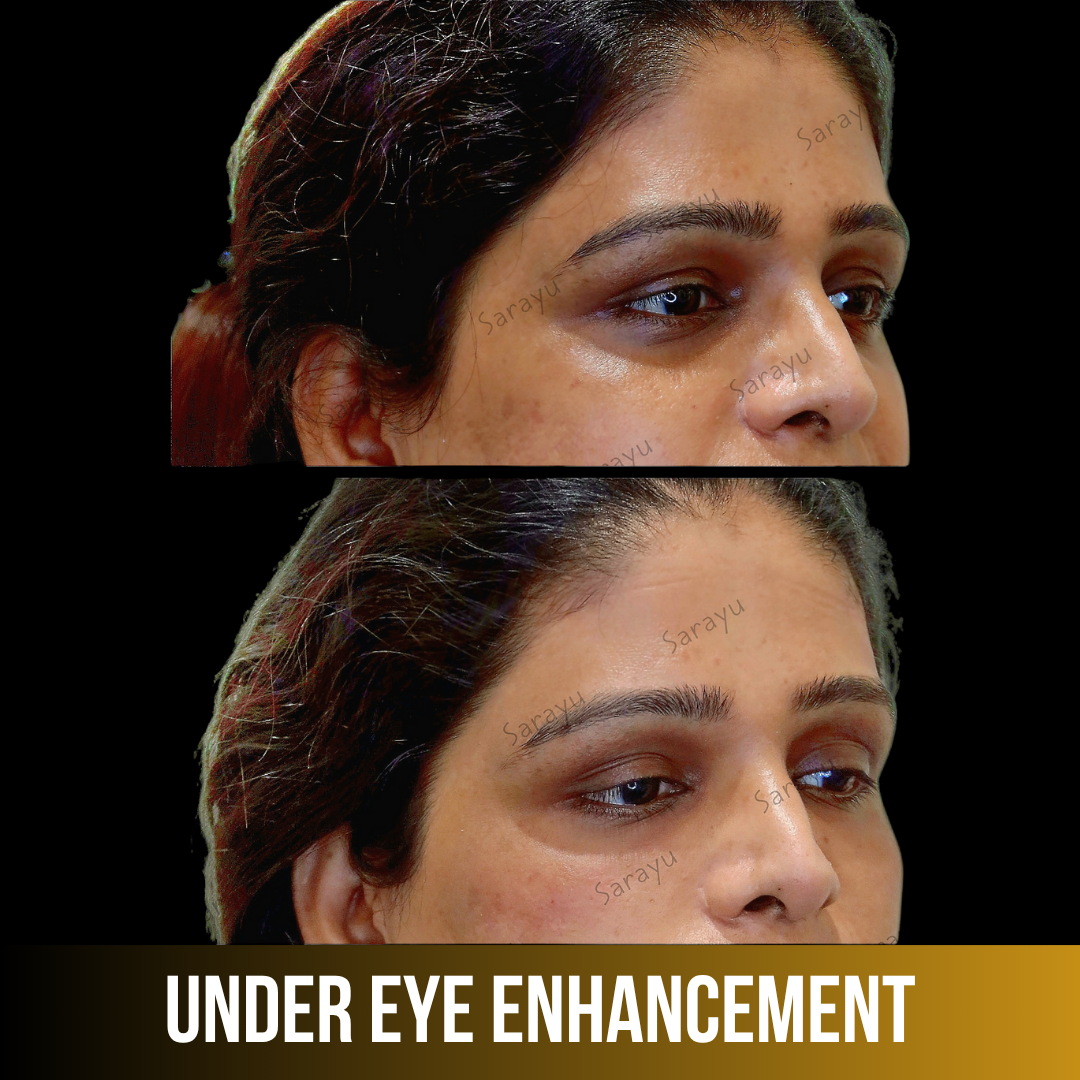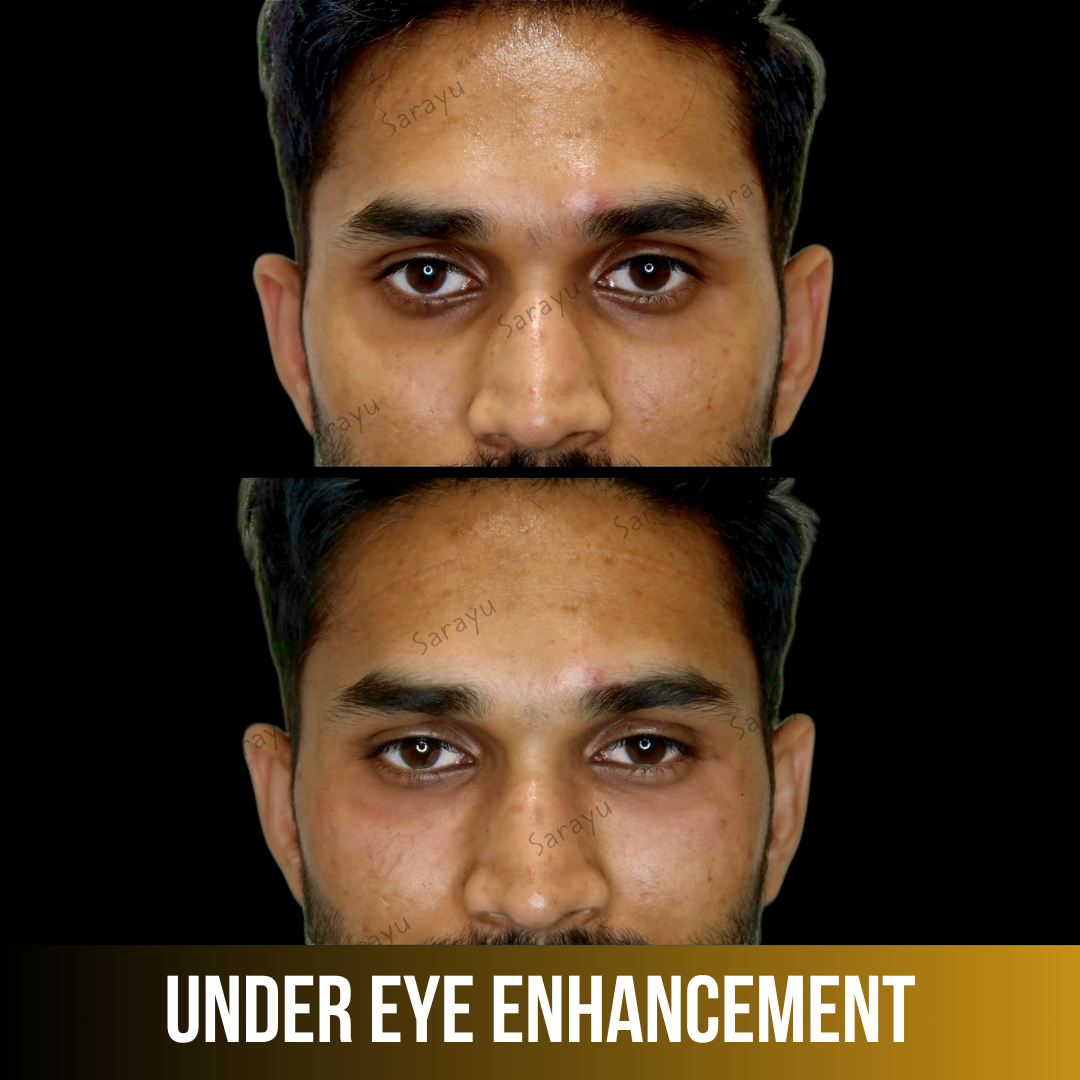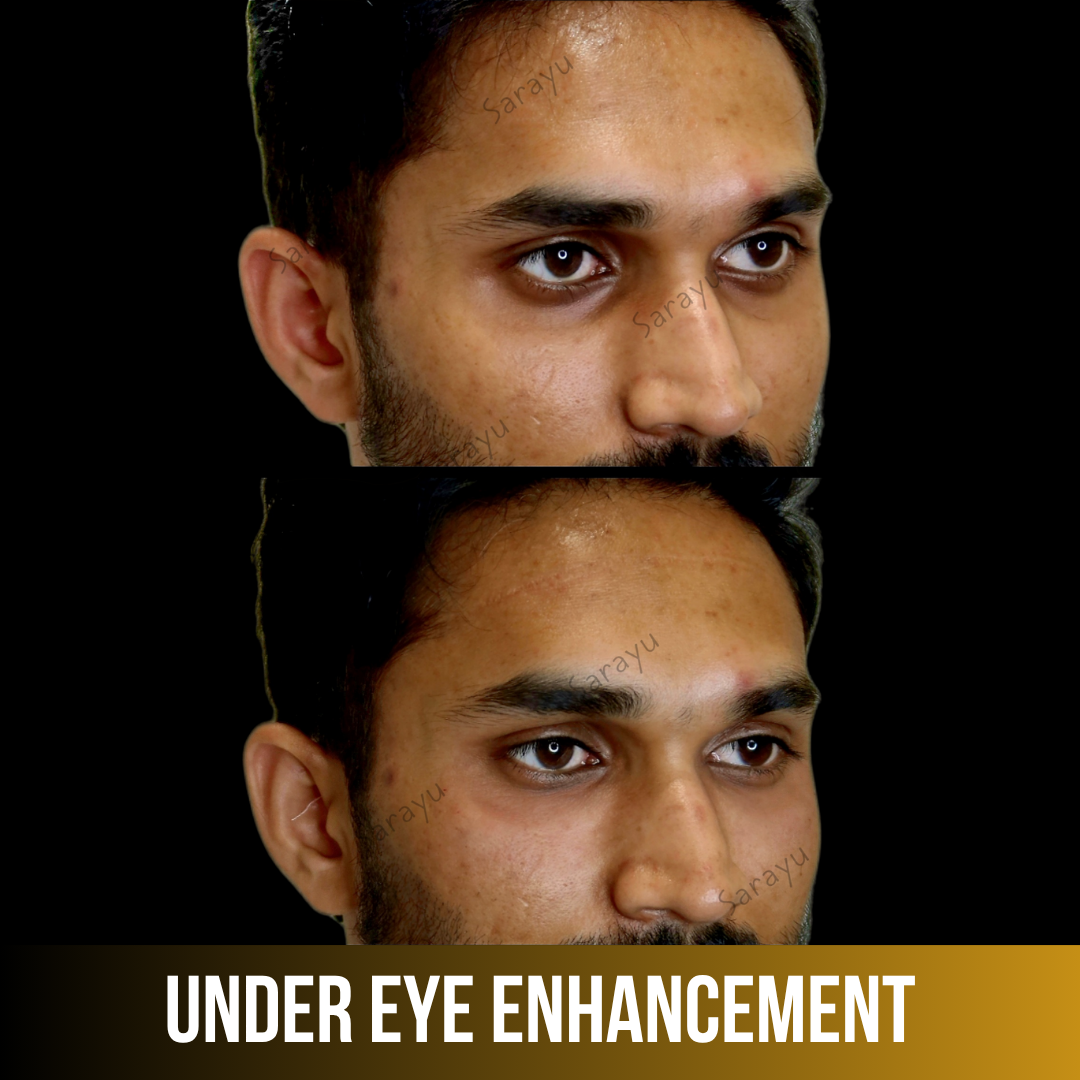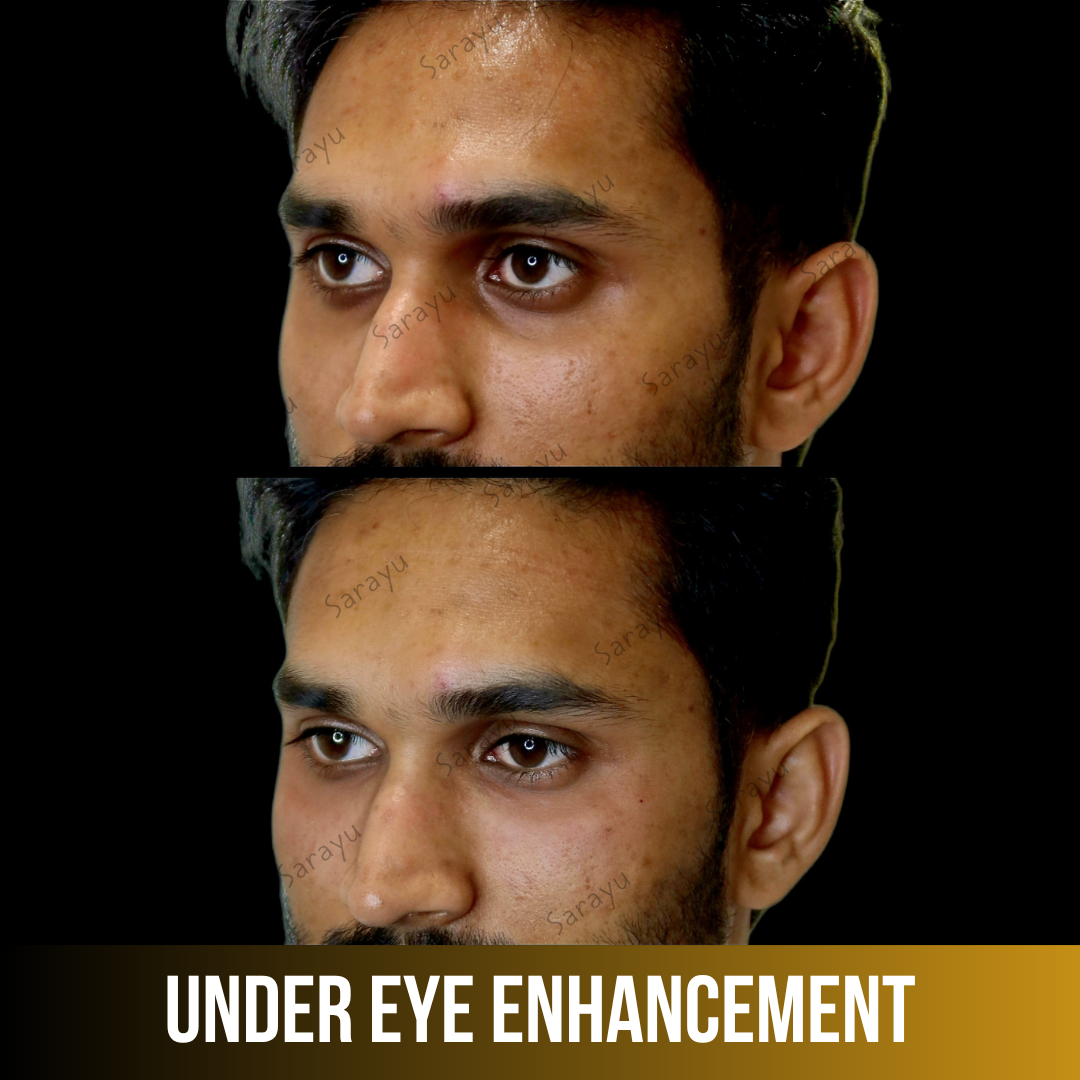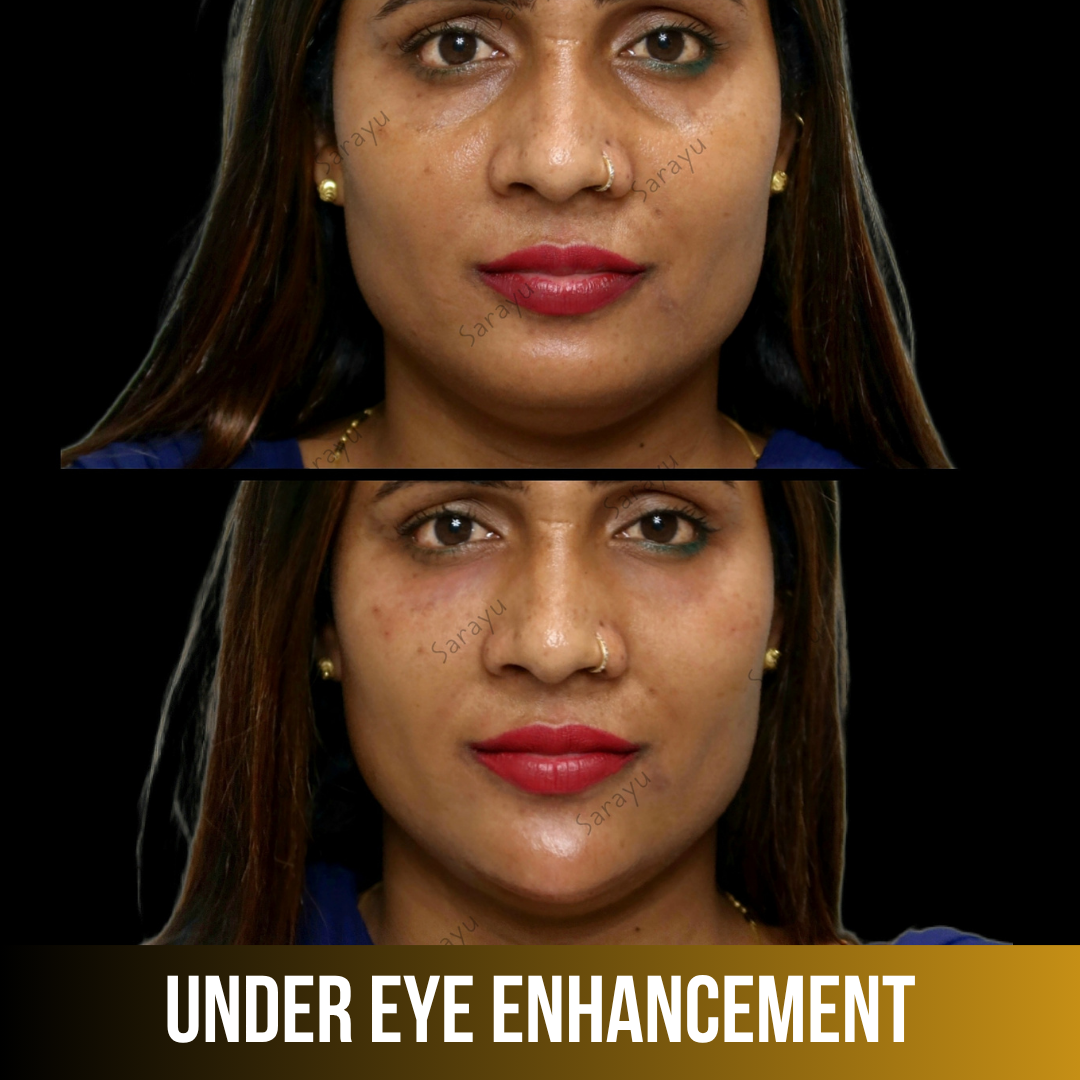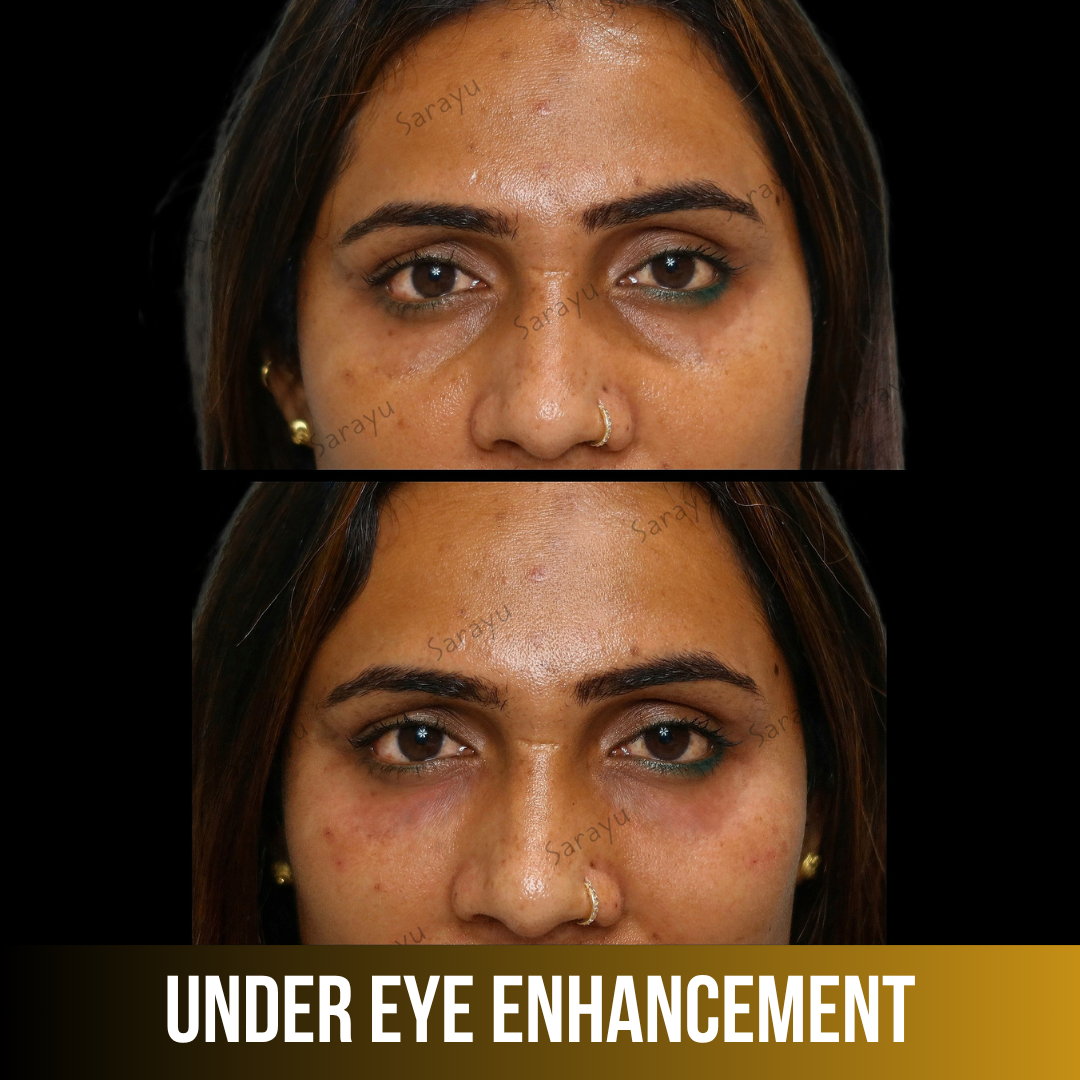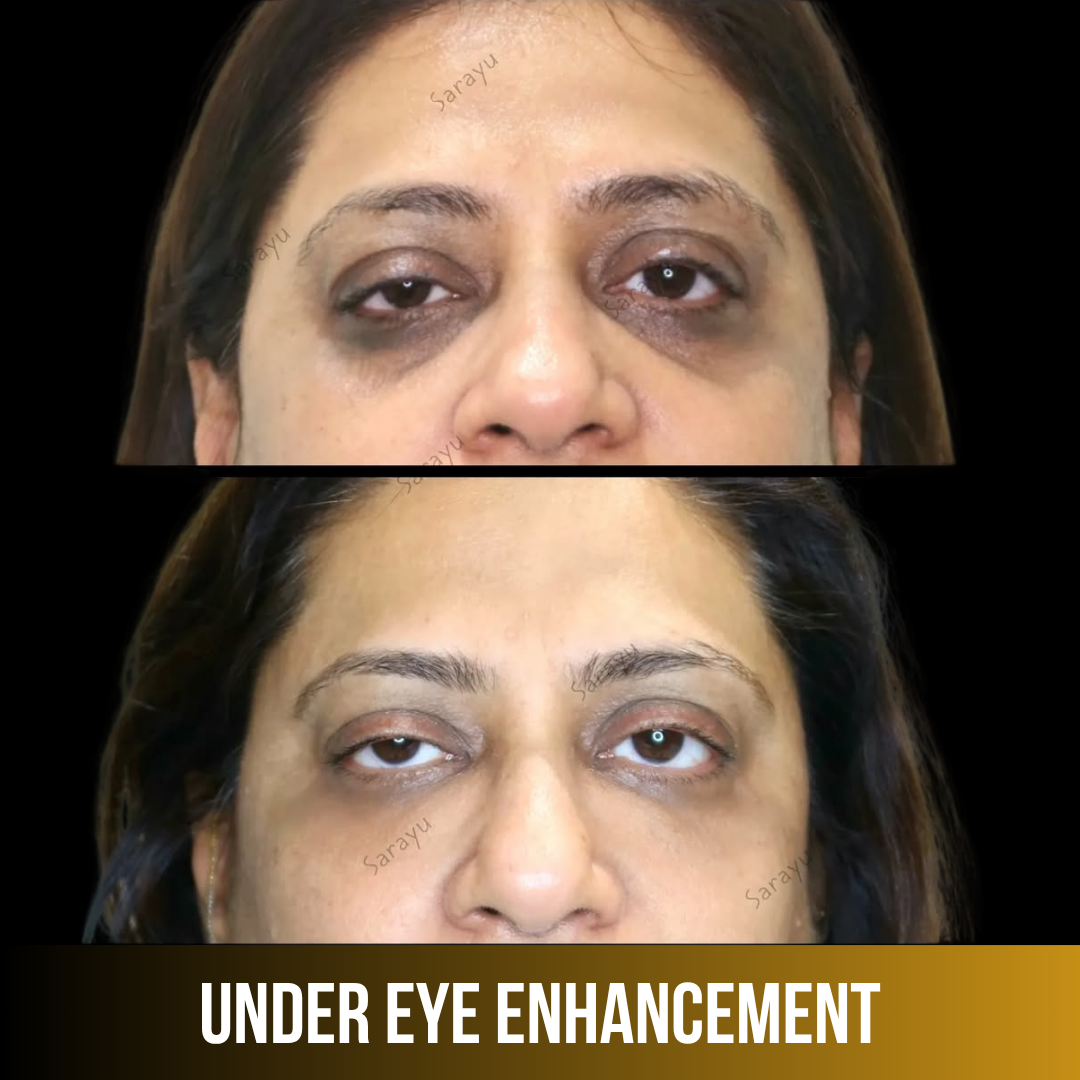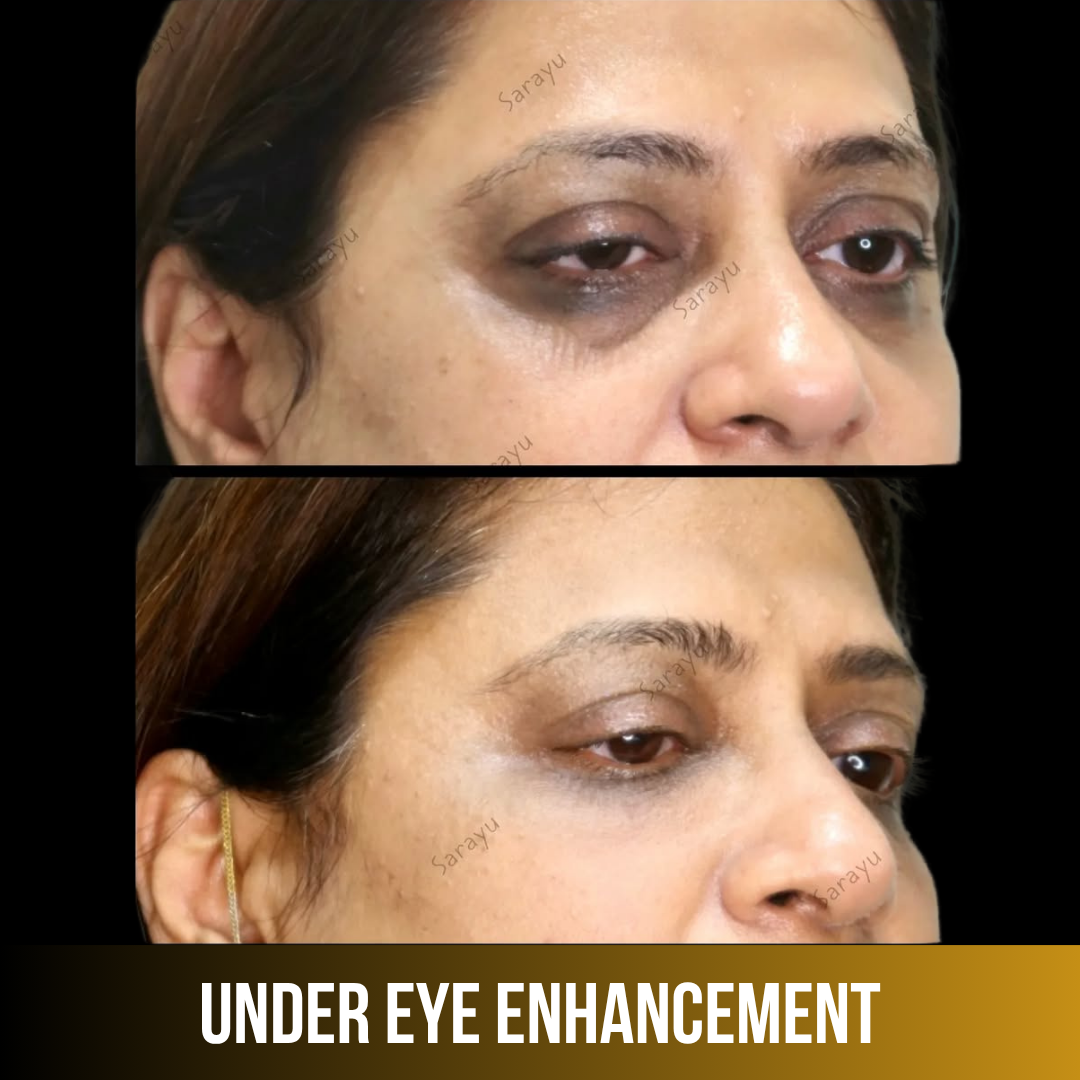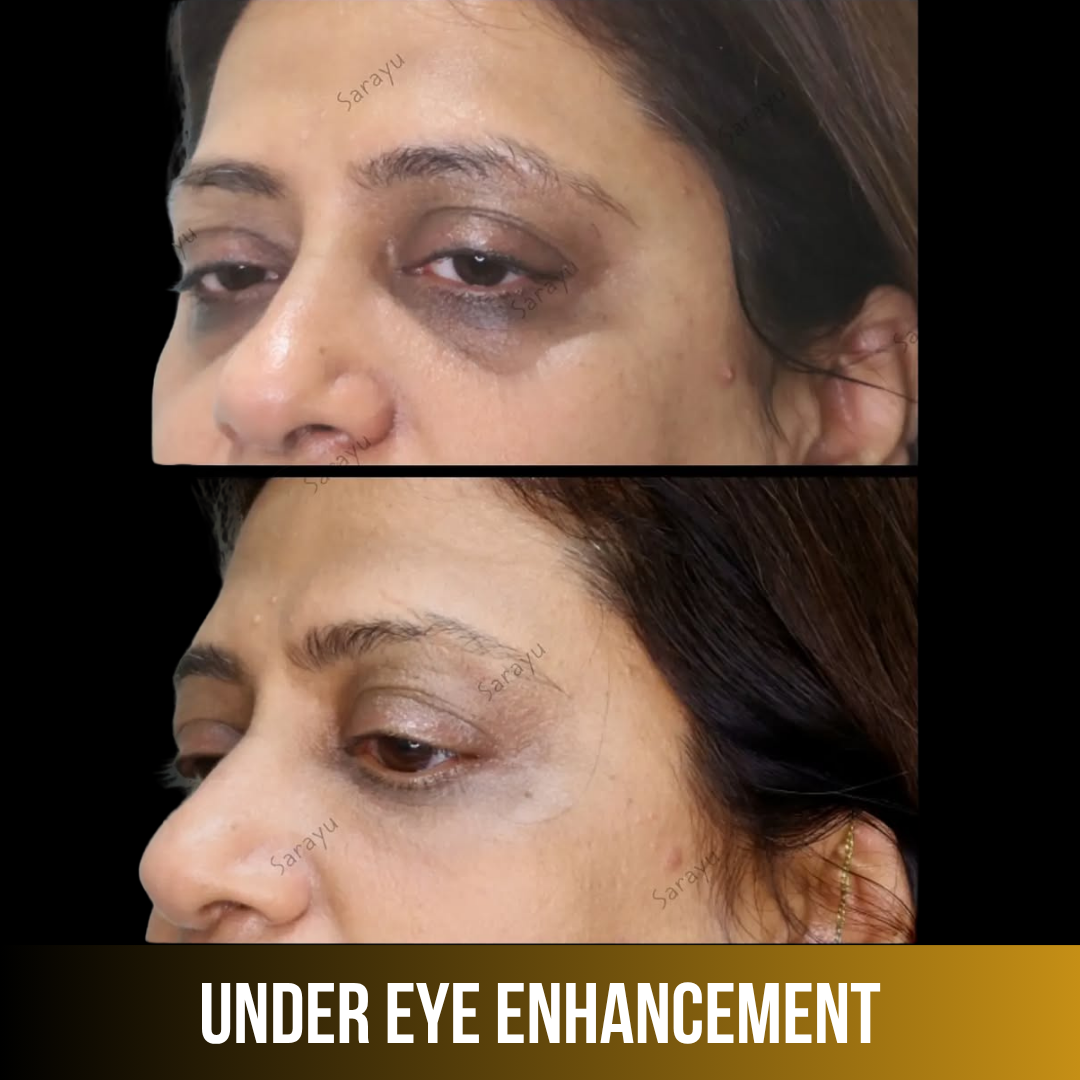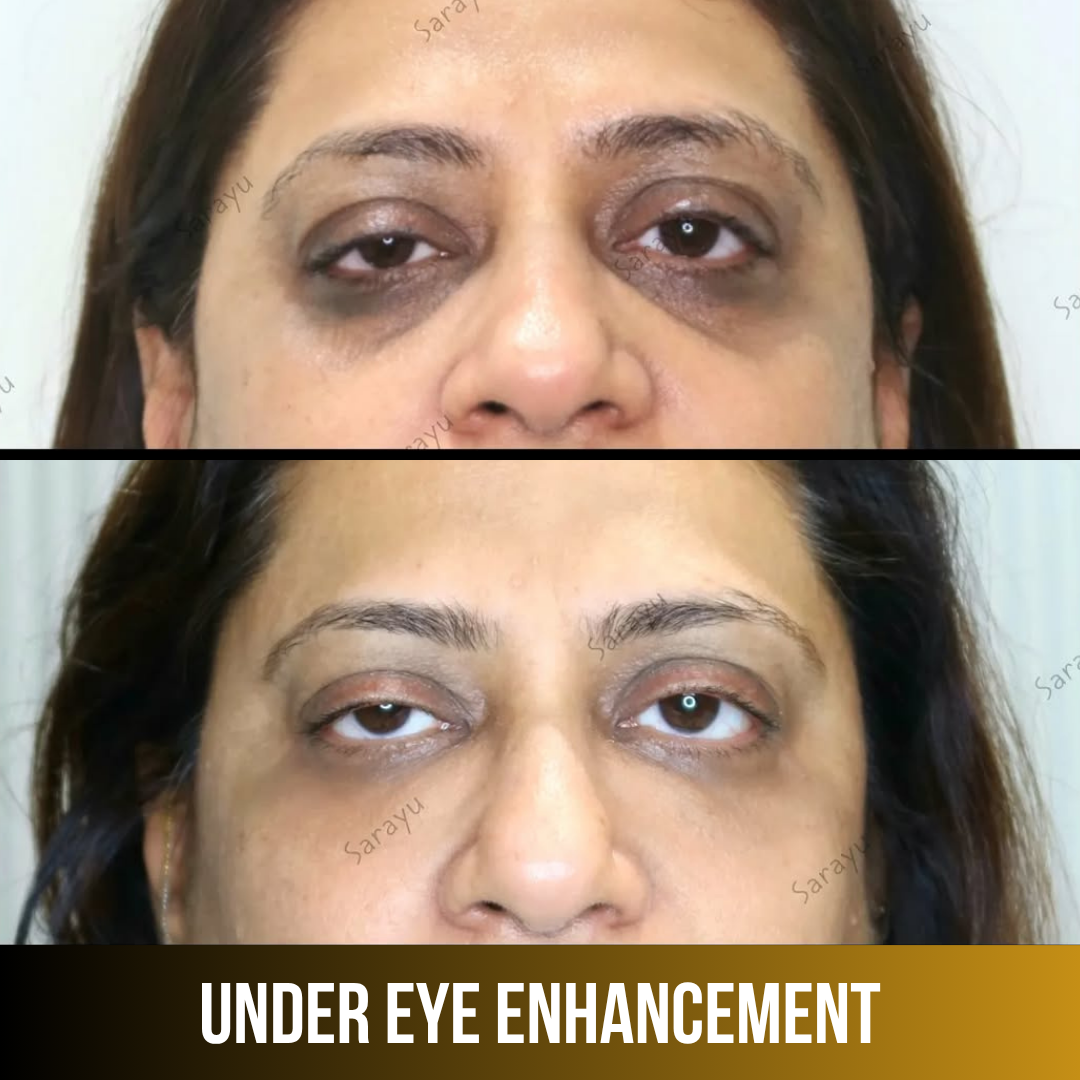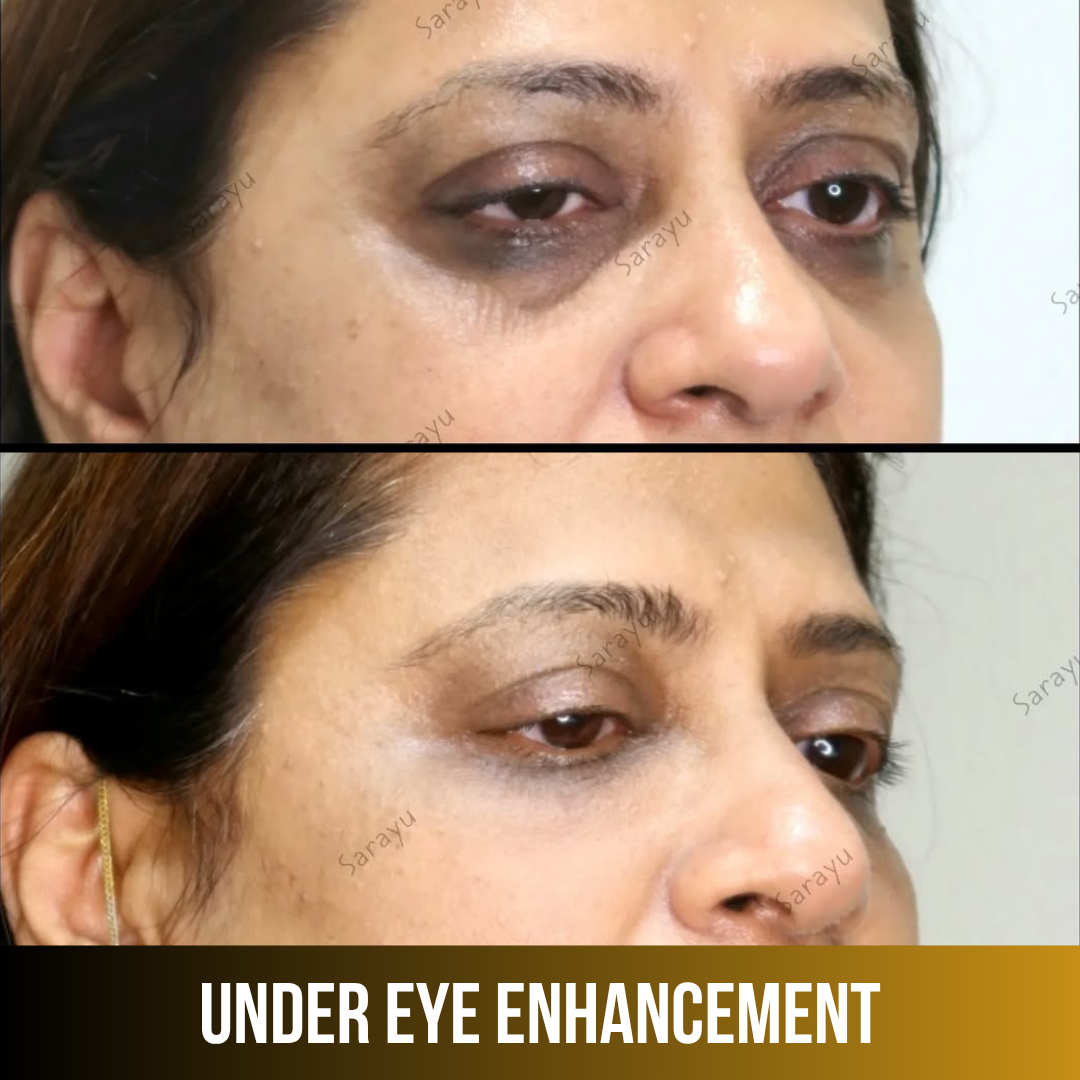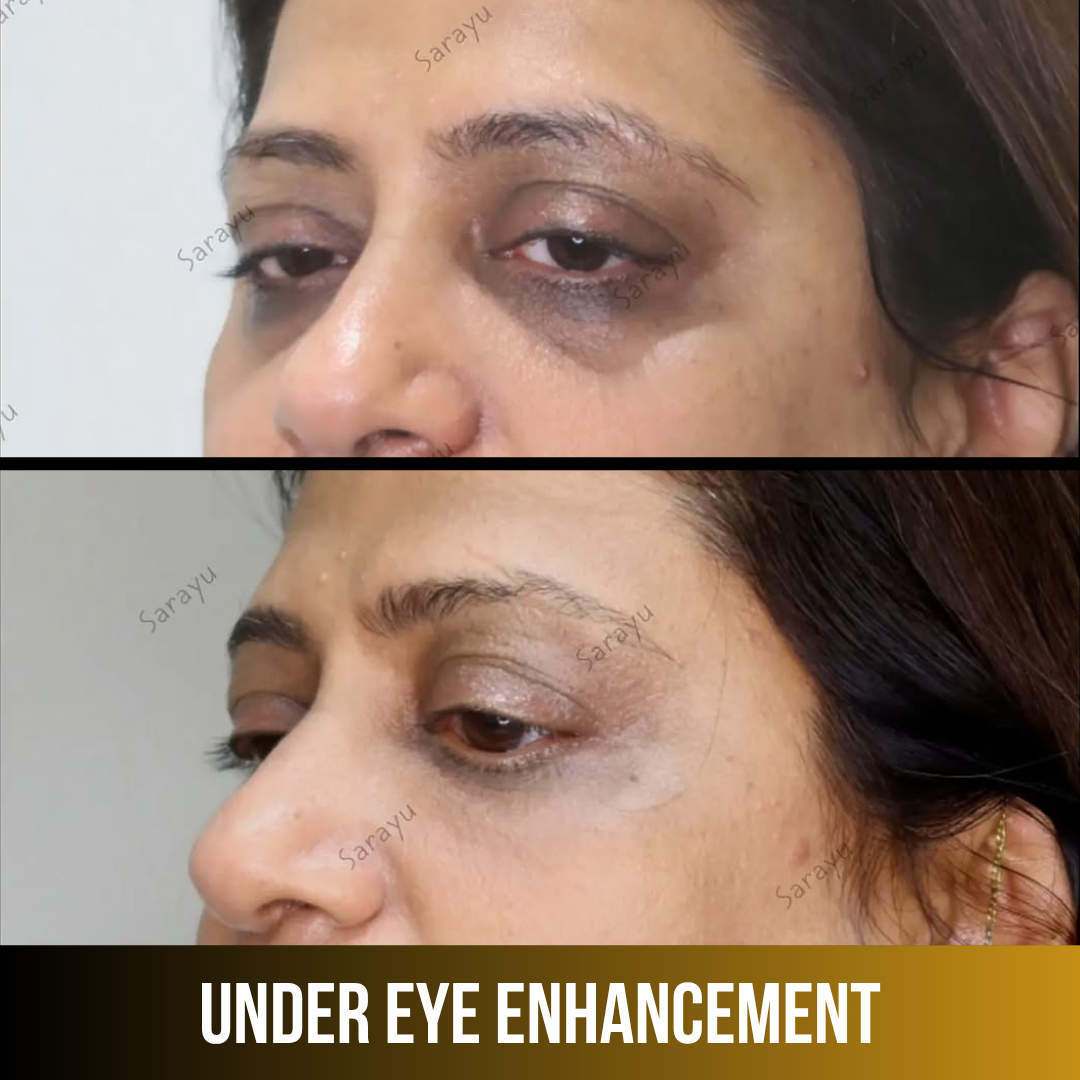
Under Eye Treatment in Delhi
- Home
- Under Eye Treatment in Delhi
Under Eye Treatment in Delhi: Refresh Tired-Looking Eyes
If there’s one area of the face that gives away tiredness, stress, and age faster than anywhere else, it’s the under-eye area. You could have flawless skin everywhere else, but dark, puffy, or hollow under-eyes will still make you look exhausted in every photo and every mirror check. This is exactly why “under eye treatment in Delhi” has become one of the most searched aesthetic concerns in the city — and why it’s one of the most common reasons patients walk into Sarayu Clinics in Greater Kailash-1, New Delhi.
The tricky part about the under-eye area is that it isn’t one problem with one fix. Dark circles, puffiness, hollowness, crepey texture, and fine lines can all show up together or separately, and each has a different underlying cause. Treating them effectively requires an accurate diagnosis first — not a generic cream or a single quick procedure.
This guide walks through everything you need to know about under eye treatment in Delhi: why the area ages and changes the way it does, what treatments actually work for each concern, what to expect during a consultation and procedure, and how to choose the right clinic.
Why the Under-Eye Area Is So Hard to Treat ?
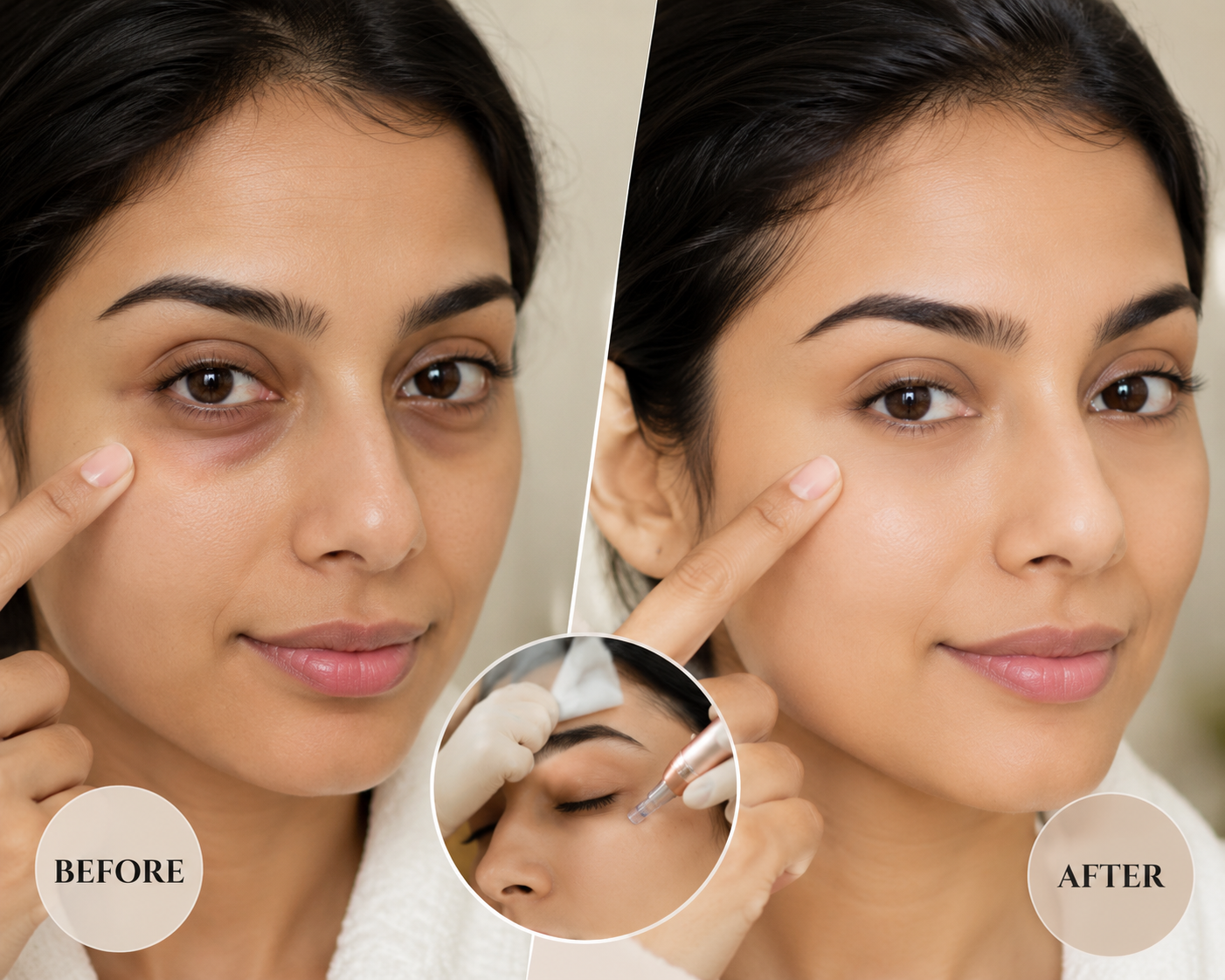
The skin under your eyes is the thinnest skin on your entire body — almost ten times thinner than the skin on the rest of your face. It has very little fat, minimal collagen support, and sits directly over muscle and bone with barely any cushioning. This is why the under-eye area:
- Shows blood vessels and pigmentation more easily than any other part of the face
- Is the first place to show signs of dehydration, fatigue, and poor sleep
- Loses volume and support earlier than the cheeks or jawline during the aging process
- Reacts more visibly to allergies, sinus issues, and even screen time
- Doesn’t respond well to harsh treatments or products meant for thicker facial skin
Because of this fragility, under-eye treatments require far more precision than treatments on the cheeks, forehead, or jawline. This is also why results from generic eye creams are so limited — topical products simply cannot address structural volume loss or deep-set pigmentation.
The Five Most Common Under-Eye Concerns
At Sarayu Clinics, patients typically come in with one or a combination of the following concerns. Understanding which one (or ones) apply to you is the first step toward an effective treatment plan.
1. Dark Circles
Dark circles can stem from pigmentation (excess melanin), visible blood vessels through thin skin, structural hollowing that creates shadows, or a combination of all three. We’ve covered this in detail in our dedicated guide on dark circle removal treatment in Delhi, but it’s worth noting here that dark circles are the single most common reason patients seek under-eye treatment.
2. Under-Eye Puffiness (Bags)
Puffiness is usually caused by fat pad herniation — where the fat that normally cushions the eye pushes forward against weakening skin and muscle, creating a visible bulge. It can also be worsened by fluid retention, allergies, high salt intake, and genetics. Unlike dark circles, puffiness is a structural/volume issue rather than a pigmentation issue, so it needs a different treatment approach entirely.
3. Hollowing and Tear Trough Depression
As we age, we lose fat and bone volume around the eye socket, creating a sunken, hollow look — often called the “tear trough deformity.” This is extremely common from the mid-to-late 20s onward and tends to worsen with age, stress, and significant weight loss.
4. Fine Lines and Crepey Skin
Because under-eye skin has so little collagen and elastin to begin with, it’s often the first area to develop fine lines, often called “smile lines” or crepiness — especially in people who spend a lot of time in the sun, smoke, or have a naturally thinner skin type.
5. Uneven Texture and Dullness
Some patients don’t have dramatic dark circles or bags, but simply notice their under-eye area looks dull, textured, or older than the rest of their face. This is usually related to reduced collagen turnover and sun damage over time.
What Happens During Your Under Eye Treatment Consultation ?
A thorough consultation at Sarayu Clinics typically includes:
- Visual assessment in natural light to evaluate pigmentation, hollowing, puffiness, and skin texture separately
- A pinch and stretch test to assess skin laxity and differentiate structural causes from pigmentation-only concerns
- Medical history review, including allergies, prior facial treatments, skin conditions like eczema, and any medications or supplements you’re taking
- Lifestyle discussion covering sleep, screen time, hydration, and sun exposure, since these often compound underlying causes
- A personalized treatment roadmap, often phased across a few sessions, with realistic expectations set from the very first visit
This step-by-step evaluation is what separates a lasting result from a treatment that looks good for two weeks and then fades — an accurate diagnosis is the foundation of every good outcome.
What to Expect During the Procedure ?
Depending on the treatment chosen, most under-eye procedures at Sarayu Clinics follow a similar general process:
- Numbing: A topical anesthetic cream is applied to the under-eye area 20-30 minutes before injectable or laser treatments to minimize discomfort.
- Treatment: The actual procedure — whether filler injection, PRP, mesotherapy, laser, or peel — usually takes 20 to 45 minutes.
- Cooling: A cold compress is often applied immediately after to reduce swelling, especially following injectable treatments.
- Review: Your doctor will go over immediate aftercare instructions and schedule any necessary follow-up sessions before you leave.
Most patients describe the discomfort level as mild — more of a pressure or slight sting than pain — and are able to resume normal activities the same day, with a few precautions.
Precautions Before Treatment
- Avoid blood thinners (aspirin, ibuprofen, fish oil, vitamin E) for 5-7 days before injectable treatments, after checking with your physician if prescribed
- Skip alcohol for 24-48 hours prior to reduce bruising and swelling risk
- Stop retinoids, AHAs/BHAs, and vitamin C serums 3-5 days before laser or peel sessions
- Arrive with a clean face — no makeup, sunscreen, or skincare products
- Disclose any history of cold sores, pregnancy or breastfeeding status, autoimmune conditions, or recent facial procedures
- Avoid scheduling treatment within 3-4 days of a major event, in case of mild swelling or bruising
Is Under Eye Treatment Safe?
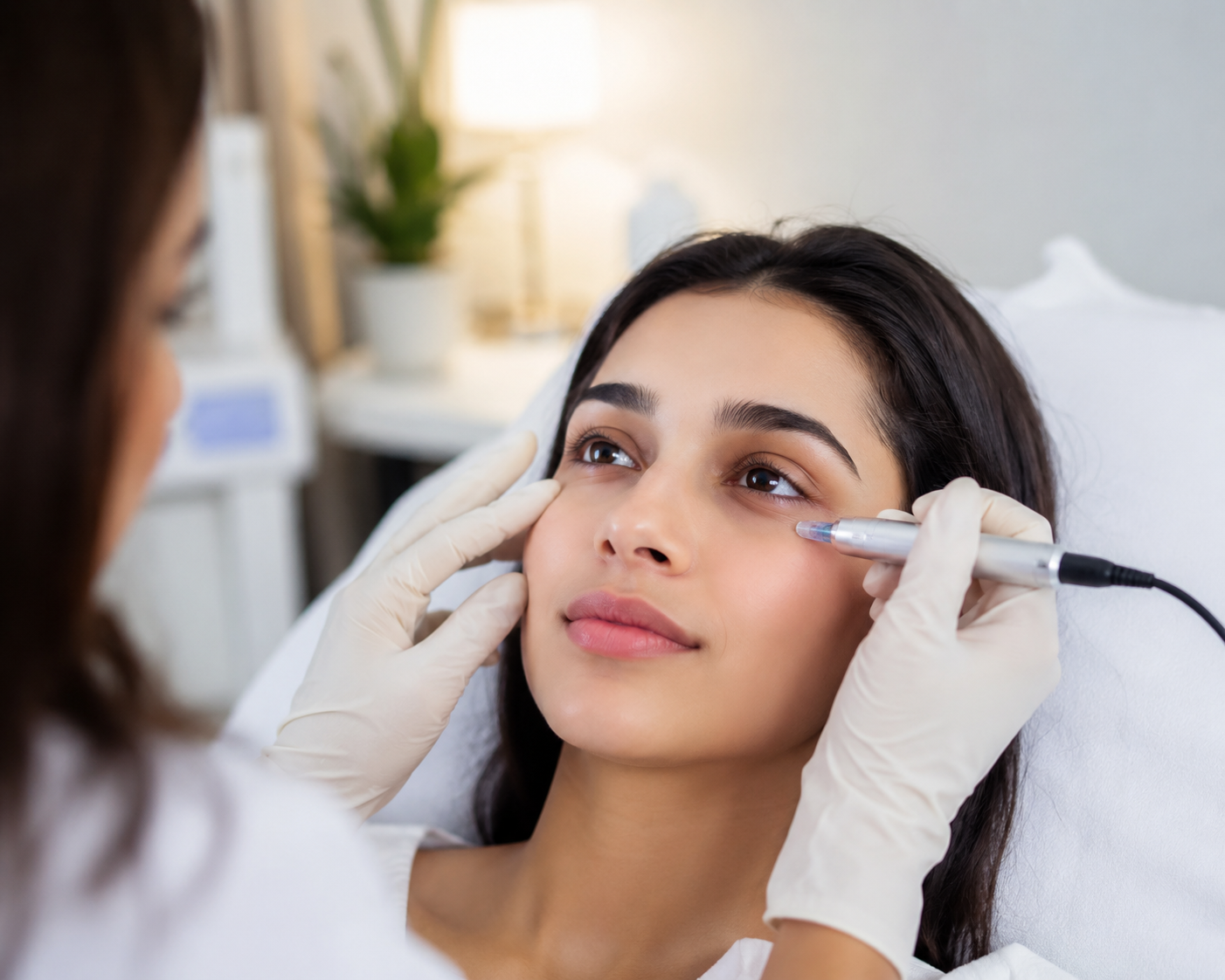
Yes — when performed by qualified, experienced practitioners using approved products and proper technique. Because the under-eye area is so thin and close to important structures like the eye itself and facial blood vessels, this is not an area to treat casually. Poor technique can lead to visible lumps, a bluish discoloration under the skin (the Tyndall effect from filler placed too superficially), or prolonged swelling. At Sarayu Clinics, all under-eye procedures are performed under the direct supervision of Dr. Adarsh Tripathi and Dr. Nidhi Bhatia, ensuring both safety and natural-looking results.
How to Choose the Right Under Eye Treatment Clinic in Delhi ?
When researching under eye treatment in Delhi, look for a clinic that offers:
- A proper diagnostic consultation rather than pushing a single treatment on every patient
- A range of treatment options under one roof, since most patients need a combination approach
- Experienced, qualified doctors — ideally with specific training in facial aesthetics and injectables
- Transparent communication about realistic timelines, number of sessions needed, and expected results
- Good before-and-after documentation from real patients treated at that specific clinic
Who Is a Good Candidate for Under Eye Treatment?
Under eye treatment isn’t reserved for any one age group or skin type. In our experience at Sarayu Clinics, candidates generally fall into a few broad groups:
- Patients in their early-to-mid 20s dealing primarily with genetic pigmentation or vascular dark circles, often worsened by screen time and irregular sleep
- Patients in their late 20s and 30s starting to notice early hollowing or a tired look that concealer no longer hides well
- Patients in their 40s and beyond dealing with a combination of volume loss, puffiness, and crepey skin, where combination therapy tends to work best
- Anyone with a strong family history of under-eye concerns, since genetics play a significant role in how thin the skin is and how prominent the tear trough becomes with age
How to Reach Us:
Phone: +91 9289111081 , +91 9289111082
Email: sarayuinquiries@gmail.com
Sarayu Clinics website: www.sarayuclinics.com
Facebook: https://www.facebook.com/sarayuclinic
Instagram: https://www.instagram.com/sarayuclinics/
Dr. Adarsh Tripathi’s profile: https://dradarshtripathi.com/
Online Booking: Visit our website https://sarayuclinics.com/contact-us/ to schedule appointments conveniently.
What is the best under eye treatment?
There’s no single best treatment for everyone — it depends on whether your main concern is pigmentation, hollowing, puffiness, or fine lines. Most patients get the best results from a combination of treatments tailored to their specific cause.
Does under eye treatment hurt?
Most treatments involve only mild discomfort, and topical numbing cream is applied beforehand to minimize any pain. Sessions are quick, usually 20-45 minutes.
How many sessions will I need?
Fillers often show visible results after a single session, while PRP, mesotherapy, and laser treatments typically require 3-4 sessions spaced a few weeks apart for optimal, gradual results.
Can under eye treatment fix puffiness permanently?
Non-surgical treatments like RF tightening can improve mild puffiness, but significant fat herniation usually requires surgical blepharoplasty for a permanent correction.
Is filler safe for under eyes?
Yes, when performed by an experienced practitioner using the correct product and injection depth. Poor technique is the main risk factor, which is why choosing a qualified doctor matters more than the brand of filler used.

Our Patients