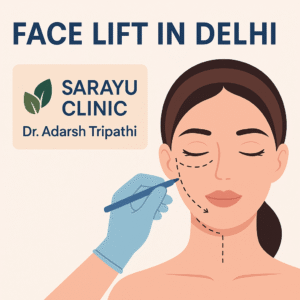
Some faces just stay round. You eat well, you work out, you lose weight everywhere else — and yet those full, soft cheeks refuse to budge. If photos always seem to give you a “baby face”, you’re not imagining it, and it has nothing to do with willpower. Often it’s simply a small pad of fat deep in your cheeks called the buccal fat pad, and diet and exercise barely touch it. That’s where buccal fat removal surgery in Delhi comes in — a quick, minor procedure that can bring out the natural contours of your face. Here’s your friendly, no-jargon guide to how it works, who it suits, and what recovery is really like.
So, what exactly is buccal fat?
Everyone has buccal fat pads — two small pockets of fat sitting in the hollow beneath your cheekbones. In some people they’re naturally larger, which gives the lower face a fuller, rounder look. Because this fat is largely genetic, it often stays put even when the rest of you slims down. Buccal fat removal (also called buccal lipectomy or cheek reduction) carefully removes a portion of that pad to create a soft hollow below the cheekbones — that subtle, sculpted contour so many people are after.
How does the procedure actually work?
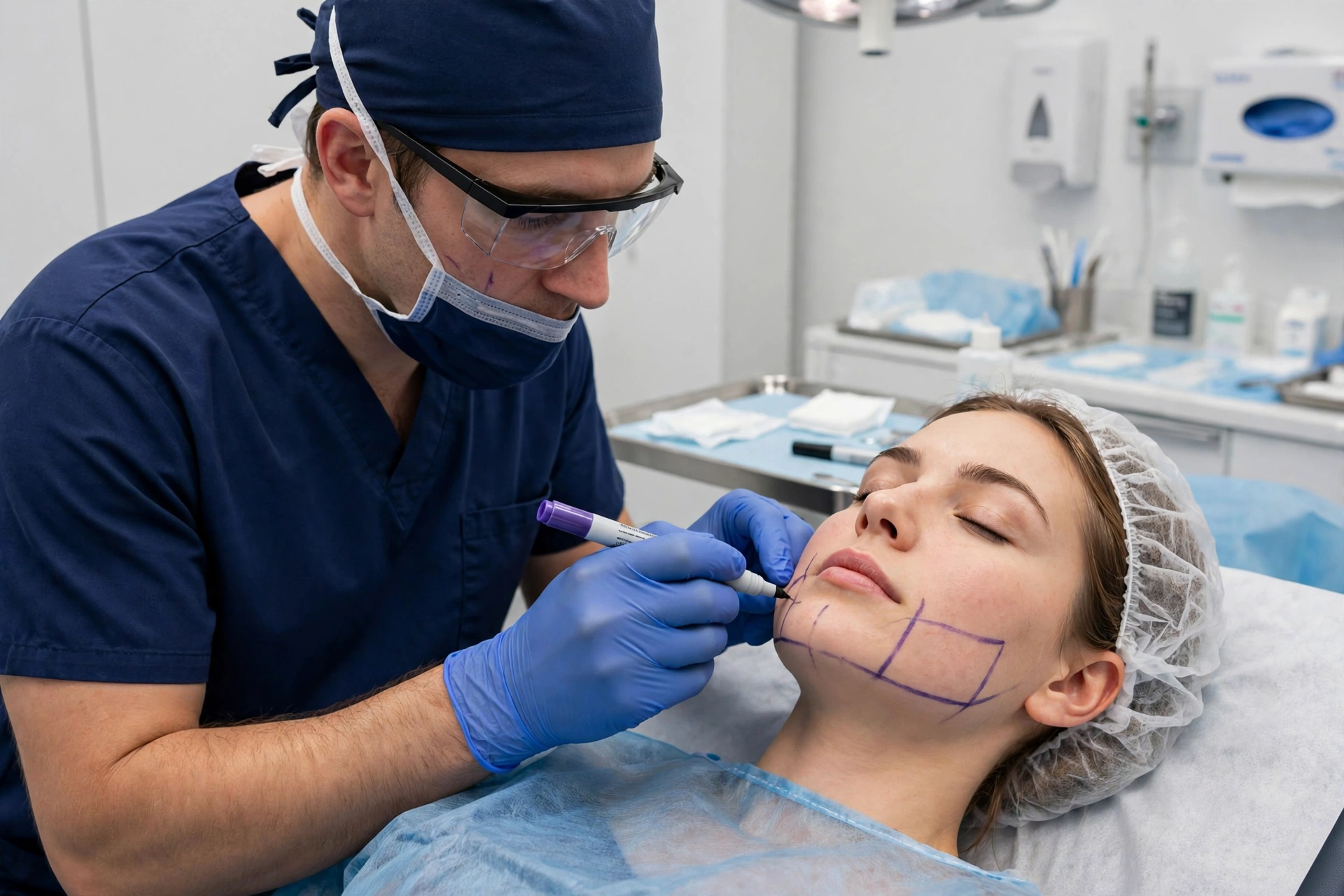
It’s simpler than most people expect. The surgeon makes a tiny incision on the inside of each cheek, so there are no visible scars on your face at all. Through that opening, just the right amount of buccal fat is gently eased out, and the incision is closed with dissolvable stitches. The whole thing usually takes under an hour, typically under local anaesthesia, and most people head home the same day.
The benefits (beyond just slimmer cheeks)
- A more defined face — cheekbones and jawline look sharper, without fillers or contouring makeup.
- No visible scars — every incision is hidden inside the mouth.
- Quick and minimally invasive — usually done in under an hour, with no hospital stay.
- Long-lasting results — removed fat cells don’t grow back, so the change stays as long as your weight stays stable.
- For everyone — it’s popular with men in Delhi wanting a leaner, more angular look, as well as women wanting softly sculpted cheeks.
The one thing to check before you book (this matters)
Here’s the honest bit most glossy before-and-afters skip, and it’s the most important thing on this page: not every round face is a buccal fat face, and more removal is not better. Facial fullness can come from buccal fat — but also from overall body weight, a strong jaw (masseter) muscle, or simply your bone structure. Removing buccal fat won’t change those.
Just as important, our faces naturally lose volume with age. Take out too much fat in your twenties and you risk a hollow, gaunt look in your forties. That’s why a good surgeon is conservative — removing enough to sculpt, never so much that it ages you later. So the single smartest question to ask any clinic is: “Is buccal fat actually the cause of my fullness, and how much would you remove?” A thoughtful surgeon will assess your face properly, suggest alternatives if you’re not a good fit, and show you realistic results. If they say yes before they’ve even looked closely, that’s your answer.
Who is a good candidate?
Generally, adults with naturally full lower cheeks, a stable weight, good general health and realistic expectations. It’s usually best once your face has fully matured — rarely before your early twenties. And if you’re planning to lose a lot of weight, it’s worth reaching that goal first.
What recovery really feels like
Refreshingly manageable. Expect some swelling for the first week or two — your face may even look a little fuller before it looks slimmer, which is completely normal. Most people are back at work within a few days. Your new contours start to show as the swelling settles, with the final result revealing itself gradually over about three months.
Simple aftercare
- Stick to soft foods for a few days — think khichdi, dal, soups, curd and smoothies.
- Rinse after meals — a gentle antiseptic or warm saltwater rinse keeps the incisions clean.
- Sleep with your head slightly raised and use cold compresses to help settle the swelling.
- Skip smoking, heavy workouts and very hot or spicy food until your surgeon gives the go-ahead.
Finish the look with fresh, glowing skin
Once you’ve fully healed, many patients like to pair their new contours with skin that looks just as fresh. A gentle, no-downtime treatment like a HydraFacial in Delhi deep-cleanses, exfoliates and hydrates — a lovely way to brighten pollution-tired skin and make those cheekbones really shine. Just check with your surgeon before booking any facial while you’re still recovering.
Ready to reveal your natural contours?
A more sculpted face isn’t about changing who you are — it’s about bringing out the shape that’s already there. If you’re considering buccal fat removal surgery in Delhi, the best first step is an honest consultation, so your surgeon can confirm whether you’re truly a good candidate and plan a result that looks natural now and years from now. Book a consultation with us today, and let’s talk about your goals.
📍 R-87, Greater Kailash-1, Block R, New Delhi 110048
📞 +91 9289111081, +91 9289111082
💻 Book your buccal fat removal consultation in Delhi
Quick FAQs
Is buccal fat removal permanent?
Yes. The fat cells that are removed don’t grow back, so the contouring is long-lasting. Your face will still change naturally with age and weight, which is exactly why a conservative approach matters — it keeps results looking natural for years, not just months.
Will buccal fat removal leave scars?
No visible scars. The small incisions are made inside the mouth and closed with dissolvable stitches, so there’s nothing to see on the outside of your face. The inside heals quickly with simple rinsing and good oral hygiene.
How long is the recovery?
Most people return to work within a few days. Swelling is most noticeable in the first one to two weeks and settles gradually, with the final, sculpted result appearing over about three months. Soft foods and gentle rinses help everything heal comfortably.
Am I a good candidate for buccal fat removal surgery in Delhi?
You may be if you have naturally full lower cheeks, a stable weight, good general health and realistic expectations. If your fullness comes mainly from weight, a strong jaw muscle or bone structure, other treatments may suit you better — a proper face assessment will tell you which.
Is buccal fat removal safe?
When performed by a qualified, experienced surgeon, it is considered a low-risk procedure. As with any surgery, there are possible risks — such as swelling, infection, asymmetry or, rarely, injury to nearby nerves or salivary ducts — which is why choosing the right surgeon and following aftercare carefully matters.